Restrictions on Nvidia H200 shipments lifted in China
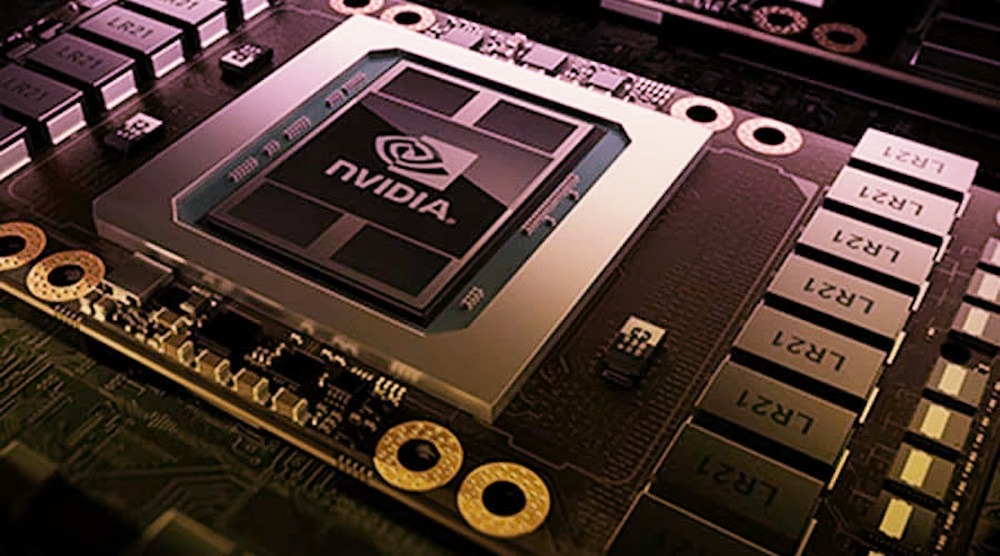
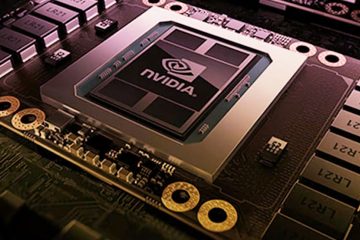
Mainland China is now able to import small quantities of Nvidia’s H200 AI processors. This initiative seeks to bolster the competitive stance of the nation’s foremost AI firms against their American counterparts. A report indicates that ByteDance and Tencent have each acquired approximately 10,000 H200 processors in recent weeks. Meanwhile, several other Chinese technology firms may soon obtain approval for shipments of comparable size. Chinese regulators have informed companies that they are permitted to ship H200 processors to Hong Kong, which functions outside the customs border of mainland China, and utilise them in that region. However, the constrained data center capacity and power limitations in Hong Kong may pose challenges for companies aiming to deploy substantial quantities of the chips. According to source, while Chinese groups have received approval from the US to acquire as many as 100,000 H200s each, Beijing is urging them to retain the majority of these chips outside of mainland China to bolster domestic chip manufacturers. Nvidia possesses approximately 500,000 H200 chips in inventory, predominantly allocated for Chinese clientele; however, sales have been impeded by the restrictions imposed by Beijing. Some Nvidia partners, including Lenovo, informed Chinese customers last week that they could once again begin placing orders for products featuring H200 chips. Such purchases would still necessitate distinct approval from China’s National Development and Reform Commission.
No. The H200 lags by at least two generations compared to Nvidia’s most powerful chips, which are off-limits to Chinese customers due to US export controls. Nvidia’s more advanced Blackwell GPUs continue to face export restrictions to China. In May of this year, the US Department of Commerce took steps to eliminate a potential loophole that might have permitted companies to export the world’s most advanced chips, including Nvidia’s Blackwell processors, to subsidiaries of Chinese firms situated outside mainland China. According to a report, the Commerce Department’s Bureau of Industry and Security announced that it would implement licence requirements for advanced chips provided to entities based in China, regardless of whether those entities are situated outside the country. The H200 is not Nvidia’s most advanced chip; however, it boasts a performance approximately six times greater than that of the H20, which was the most advanced Nvidia chip previously allowed for export to China. Chinese regulators have recently initiated the process of relaxing restrictions on US chips, aiming to facilitate leading domestic AI developers in their efforts to train advanced models.
Chinese technology groups are striving to rival sophisticated US AI models, such as Anthropic’s Mythos 5. Last month, the Chinese AI lab Moonshot unveiled its K3 model, which demonstrated performance nearly on par with the most advanced models from the United States. Alibaba, DeepSeek and Z.ai have also released models with similar intelligence levels, indicating that the gap between leading Chinese and US AI labs has narrowed. Chinese AI companies are progressively utilising domestically manufactured chips for AI inference, which involves generating real-time responses from trained models. However, most still rely on Nvidia chips for the more complex training phase, which involves building models’ knowledge and identifying patterns, reported source. According to a source, the US Commerce Department has granted approval to approximately 10 Chinese companies, including Alibaba, Tencent, ByteDance, and JD.com, to acquire Nvidia’s H200 chips. A select group of distributors, among them Lenovo and Foxconn, have received approval. Buyers have the option to acquire the chips either directly from Nvidia or via intermediaries. Under the US licensing terms, each approved customer is permitted to acquire a maximum of 75,000 H200 chips. The path to completed sales, however, remains complicated by requirements imposed by both Washington and Beijing. US regulations established in January mandate that Chinese purchasers must prove the implementation of adequate security measures and confirm that the chips will not be utilised for military applications. Nvidia must also certify that it possesses adequate inventory within the United States.
The US has implemented a series of restrictions on the supply of advanced technology to China as Washington and Beijing vie for supremacy in artificial intelligence. In December 2025, US President Donald Trump announced that Nvidia would be permitted to sell its H200 chips to China, signifying a significant relaxation of Washington’s export controls. Under a deal announced by the White House, Nvidia could sell H200 chips to Chinese customers, contingent upon the company sharing 25 percent of the revenue from those sales with the US government. Nvidia subsequently resumed production of H200 chips for the Chinese market following the acquisition of multiple approvals from the US government and new orders from Chinese clients. The relaxation of restrictions on H200 chips occurs amid the escalating competition in artificial intelligence between the United States and China. Last week, a source reported that the US was preparing to inform numerous countries that they must choose sides in the artificial intelligence race with China or face the possibility of exclusion from a US-led AI coalition if they also align with Beijing’s competing framework. By urging nations to align themselves, the US aims to restrict China’s access to essential resources in the competition to advance the world’s most advanced AI systems, which could carry significant military and economic consequences.
In July, Chinese President Xi Jinping initiated the ‘World Artificial Intelligence Cooperation Organisation’, positioning China’s open-weight technology as a counter to US dominance in the swiftly evolving sector. Beijing is considering imposing restrictions on foreign access to certain prominent AI models, highlighting the increasing friction between its desire to enhance its AI prominence and its rigorous national security policies. The US has implemented measures targeting Chinese technology firms that it suspects may support Beijing’s military and industrial advancements. In June of this year, the United States included Chinese e-commerce behemoth Alibaba, internet search entity Baidu, and automaker BYD on a roster of companies it perceives as supporting Beijing’s military endeavours. The list now encompasses a diverse array of significant Chinese technology firms deemed crucial to Beijing’s military and industrial objectives. Additional companies featured are the biotech firm WuXi AppTec, the AI-driven robotics company RoboSense Technology, and Unitree, a prominent Chinese manufacturer of humanoid and quadruped robots.