Asian Stocks Climb as Treasury Buybacks Alleviate Yield Strain
Asian shares advanced Thursday, following the upward movement in Wall Street, with South Korea’s benchmark Kospi surging over 6 percent. US futures experienced a modest increase following the announcement from the Treasury Department regarding its intention to at least double the planned purchases of longer-term government debt. That could alleviate pressure on share prices originating from the bond market, as the purchases would elevate bond prices, contributing to a reduction in yields. The Kospi experienced a notable increase of 6.1 percent, reaching 6,858.91, following a decline of 5.8 percent on Wednesday, which was attributed to renewed selling pressure on shares associated with artificial intelligence. Samsung Electronics experienced a notable increase of 9.7 percent, while memory chipmaker SK Hynix saw a substantial rise of 14.1 percent following the announcement of a significant share buyback plan.
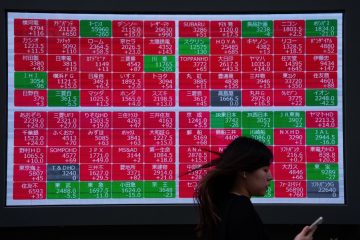
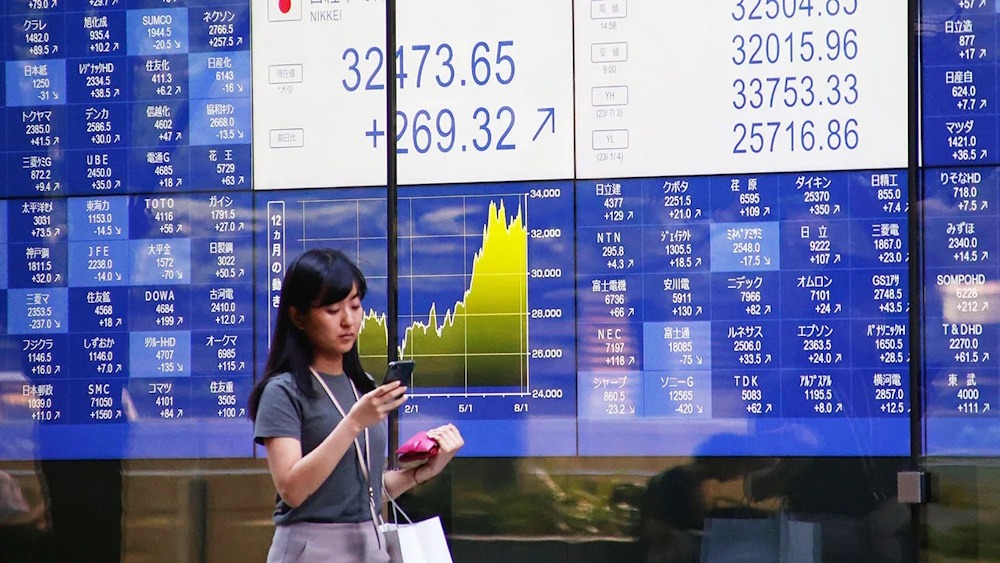
Japan’s Nikkei 225 experienced an increase of 1.3 percent, reaching 66,178.26, thereby reversing the declines observed earlier in the week. Japan reported a trade deficit for the third consecutive month in July, with both imports and exports reaching record highs. Shares of OpenAI investor SoftBank Group, a Japanese multinational investment holding firm, increased by 3.8 percent. Hong Kong’s Hang Seng increased by 1.1 percent, reaching 25,786.32, whereas the Shanghai Composite index experienced a rise of 0.3 percent, settling at 3,905.23. Australia’s S&P/ASX 200 experienced an increase of 0.3 percent, reaching a level of 9,066.40. Taiwan’s Taiex exhibited minimal fluctuation, while India’s Sensex experienced an increase of 0.7 percent. Yields on US government bonds declined following the Treasury Department’s announcement regarding its expanded plans for government debt buybacks. Bond yields decline as bond prices increase, reflecting an inverse relationship. The action seemed to appease investors concerned about increasing yields.
On Wednesday, the benchmark S&P 500 experienced an increase of 0.2 percent, marking its first gain in four days. The Dow Jones Industrial Average increased by 0.2 percent, while the technology-focused Nasdaq composite experienced a similar rise of 0.2 percent. Yields have increased in recent months due to escalating concerns regarding inflation, which can be attributed to the prolonged conflict in Iran and the surging government debt, among other factors. The yield on the US 10-year Treasury decreased to approximately 4.64 percent from 4.71 percent on Tuesday, yet it remains significantly elevated compared to its levels prior to the onset of the war in Iran. The 30-year Treasury yield declined to 5.18 percent on Thursday, down from 5.28 percent on Tuesday.
In Asia, bond yields experienced a decline following the announcement from the US Treasury. The yield on Japan’s 10-year government bond decreased to approximately 2.83 percent, down from over 2.89 percent observed on Wednesday. It had been trading at levels not seen in three decades. Oil prices experienced a modest increase early Thursday, reflecting the stagnation in US-Iran negotiations concerning the ongoing conflict. Brent crude, the international benchmark, increased by 0.3 percent to $91.90 per barrel. It was priced at approximately $72 per barrel prior to the onset of the conflict. US benchmark crude increased by 0.2 percent, reaching $84.57 a barrel. The US dollar appreciated to 158.60 Japanese yen from 158.16 yen. The euro was trading at $1.1676, a slight decrease from $1.1677.