Trump proclaims ‘Economic D-Day’ on Iran, says aiders will pay
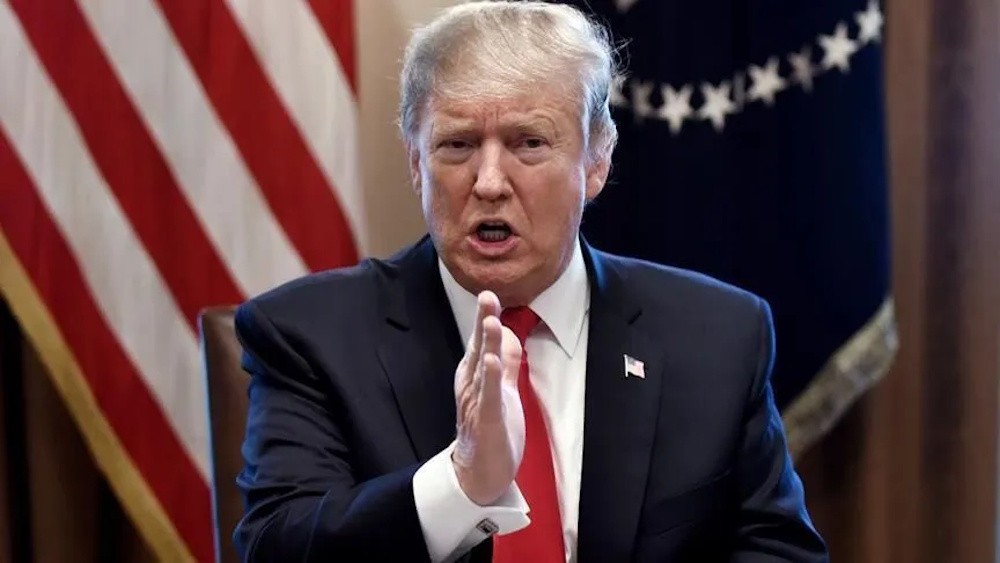
US President Donald Trump on Thursday intensified his economic campaign against Iran, cautioning that nations, financial institutions, and enterprises offering Tehran financial or commercial support could encounter significant economic repercussions themselves. In a post on Truth Social, Trump characterised the action as the “most crushing economic operation ever taken against any country”, labelling it “economic warfare and isolation on an unprecedented scale”. Trump’s warning serves as a cautionary signal to governments, financial institutions, and businesses, jeopardising Tehran’s ability to engage in global trade and commerce. “Any country that allows its financial institutions, businesses, airports, or government entities to provide any type of lifeline to Iran will itself face tremendous economic consequences,” Trump said. He has not provided specifics regarding the potential consequences or identified particular nations.
Trump identified oil smuggling, currency swap arrangements, cash transfers, exchange houses, ship registries, and front companies as key issues. In effect, the US president is focusing on the network of financial intermediaries, trading companies, shipping structures, and other channels that facilitate the movement of Iranian money and goods despite existing restrictions. However, it remains uncertain whether the Trump administration will implement additional sanctions and penalties on third countries that engage in trade with Iran. The United Arab Emirates has declared its intention to terminate financial and economic relations with Iran in response to a recent missile threat from Tehran. The UAE has historically served as a significant commercial and financial conduit for Iranian enterprises, with Iranian entities leveraging Dubai-based exchange houses and corporate frameworks to facilitate monetary transactions.
The disruption of UAE-Iran financial and commercial links is significant, as this has been one important channel through which Iranian businesses have accessed other international markets in the past. Iran’s armed forces subsequently cautioned Gulf countries against extending support to the US military, heightening the likelihood that nations caught in the middle of Washington and Tehran could experience pressure from both factions. The Strait of Hormuz facilitates approximately 20% of worldwide crude oil and liquefied natural gas transport during typical circumstances. Disruption to traffic through the waterway has already heightened energy and shipping concerns, exacerbating the economic ramifications of the conflict.
The United States and Oman have independently engaged in initiatives aimed at reopening the strait, while Trump has maintained a firm stance regarding Iran. The 60-day ceasefire period has now lapsed without a definitive diplomatic or military resolution. Earlier this month, Treasury Secretary Scott Bessent indicated that Washington would pursue economic isolation of Iran on a scale “like the world has never seen before.” Trump has separately indicated that the US still possesses significant sanctions at its disposal if necessary. At present, the precise details of the new campaign are not fully defined. Trump has yet to delineate the repercussions that nations or corporations might encounter.