The Fed’s first Kevin Warsh meeting may reveal a new strategy
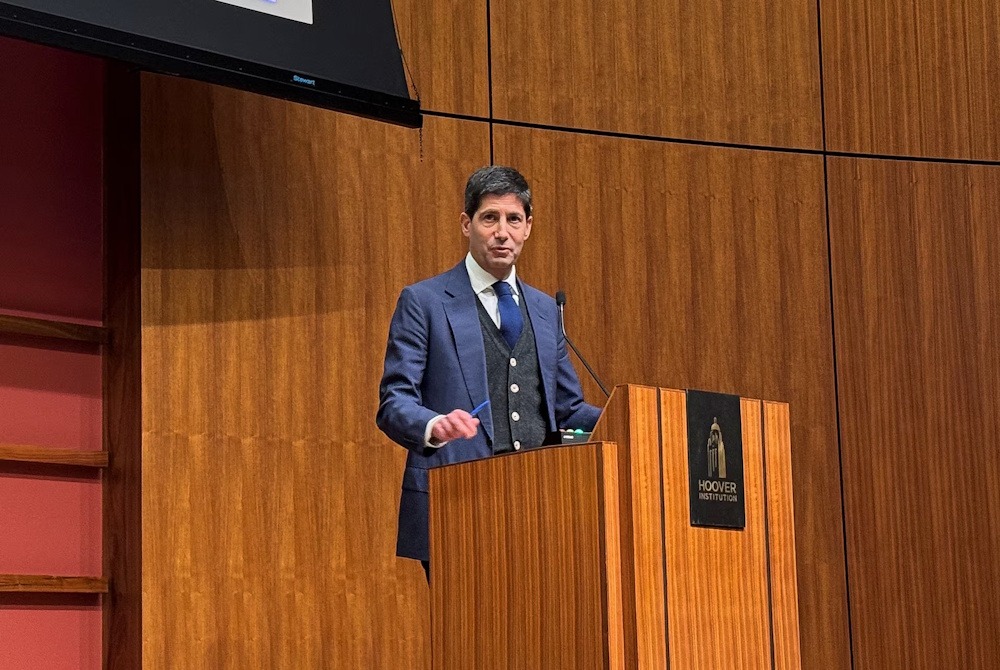
The Federal Reserve is anticipated to maintain interest rates at their current levels this week. However, for investors, economists, and those anticipating reduced borrowing costs, the more significant inquiry pertains to the future actions of new Chairman Kevin Warsh. His predecessor, Jerome Powell, addressed the audience following each monetary policy meeting to elucidate the most recent rate decision, aiming to foster transparency with the American public. Investors and Fed observers have grown familiar with Powell’s approach to steering markets; however, a new framework is now in play. Wednesday’s post-meeting conference, set for 2:30 p.m., will provide Warsh with his initial opportunity to present himself and outline his perspective on monetary policy. Wall Street is keen to understand his perspective on the outlook for interest rates, particularly in light of a US-Iran agreement that has mitigated the risk of an oil-driven inflation shock stemming from the prolonged conflict in the Middle East. Warsh’s initial public appearance as chairman signifies the commencement of what he has termed a “regime change” in the operational framework of the central bank. That could encompass a reduction in the number of conferences and a reevaluation of the Federal Reserve’s enduring approach to releasing officials’ quarterly economic projections, which are also scheduled for discussion at this meeting. “Warsh has made it pretty clear he wants to change a lot of what is going on in terms of the system and the structure at the Fed,” stated Jose Rasco in an interview. “The most significant change would pertain to the forecasts, as the market has become quite accustomed to them.”
Inflation is on the rise; however, this does not necessarily imply that the Federal Reserve must increase interest rates. Central bankers are examining the factors influencing price pressures and assessing the likelihood of their persistence. The prevailing view has been that supply shocks are typically one-off events that do not generate sustained inflation, thus the Fed should “look through” them, as Powell noted in March. Officials anticipate that inflation will gradually subside over time, particularly if the conflict in the Middle East reaches a comprehensive resolution, thereby negating the necessity for rate hikes. “Waves may rock the boat momentarily, but they rarely cause lasting damage,” stated Richmond Fed President Tom Barkin during an event on May 21 in Raleigh, North Carolina. “Raising rates to weaken demand doesn’t address the root cause behind supply shock-driven inflation. It doesn’t free up trade routes, reopen factories or melt ice.” Due to the inherent lag in the effectiveness of monetary policy, it is essential for the Fed to be assured that elevated inflation will continue into the next year prior to implementing any rate increases. Officials are therefore seeking evidence of a self-perpetuating inflation cycle referred to as “second-round effects,” where elevated prices influence wages, leading to additional price increases. Currently, there is scant evidence to suggest that such a dynamic has emerged.
For instance, data from the Bureau of Labour Statistics indicates that Americans are not seeking higher wages to counterbalance the increased cost of living, a situation that could exacerbate inflationary pressures. According to business surveys, many companies are reluctant to increase prices in response to elevated energy costs due to heightened price sensitivity among consumers. To filter out noise and assess the trajectory of inflation, officials examine core measures that exclude the volatile components of food and energy prices. Recent months have seen relatively milder readings, which have allowed the Fed to maintain its current stance for the time being. Officials are monitoring public expectations regarding inflation, especially over the next five to ten years, as these expectations can become self-fulfilling if they rise. While short-term expectations have surged, as indicated by various measures, longer-term expectations have increased at a more measured pace. “Expectations determine what will happen to prices,” stated Eugenio Alemán. While Warsh will not be able to singlehandedly deliver the rate cuts that President Donald Trump has long demanded — the Fed chairman is merely one vote on a committee of 12 — he has made it evident that it will not be business as usual at the Fed. Warsh has already engaged two conservative policy veterans as temporary advisers to the Federal Reserve, as per a source familiar with the situation — neither of whom possesses direct experience in monetary policy or banking regulation.
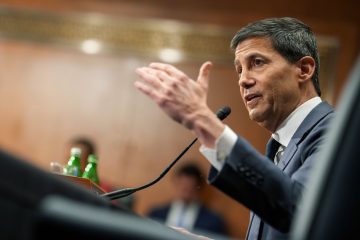
One of them is Paul Winfree, who served in the initial Trump administration focusing on domestic policy and authored the Federal Reserve section in Project 2025, the conservative framework aimed at reshaping the government. The other individual Warsh recruited is Daniel Heil, a fellow at Stanford University’s Hoover Institution, where he previously collaborated with Warsh on economic policy, and served as an adviser during Jeb Bush’s 2016 presidential campaign. Warsh has indicated that there is “plenty of deadwood” at the Fed, implying that he may consider a significant restructuring of the central bank’s workforce of approximately 3,000 located in Washington, DC. Powell last year initiated a process to reduce headcount, aligning with comparable efforts throughout the wider federal government. Warsh has also proposed that Fed officials consider inflation from a different perspective by emphasising alternative measures of inflation, referred to as “trimmed-mean averages.” During his confirmation hearing in April, Warsh stated that those measures reflect “what’s the underlying inflation rate, not what’s the one-time change in prices because of a change in geopolitics or a change in beef.” With new advisers appointed and discussions of “regime change” already in motion, Wednesday’s conference is poised to provide the initial indications of the extent to which Warsh plans to transform the US central bank.