Trump Takes Over Hormuz as Iran Demands War Remedies
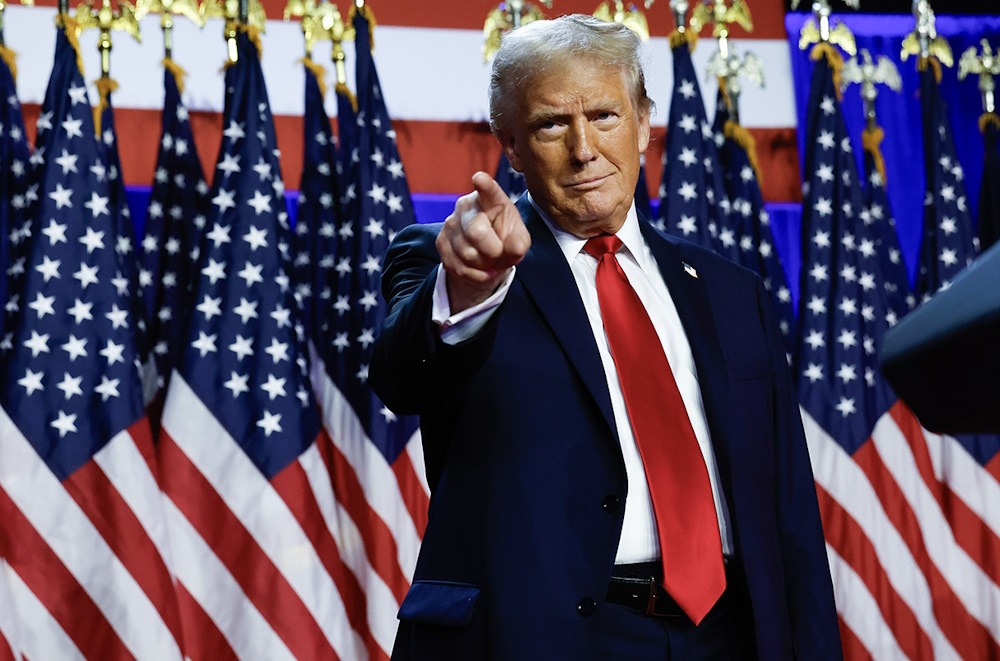
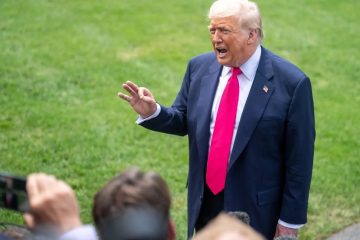
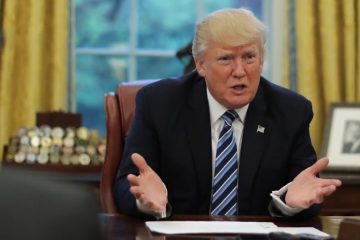
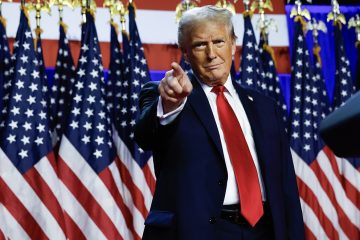
US President Donald Trump has asserted that the US Navy currently possesses “100 percent” control of the Strait of Hormuz following the removal of mines from this critical waterway, amid ongoing elevated tensions with Iran regarding the terms for reopening the passage. Trump’s latest remarks emerged as Tehran insisted on compensation for war damage and additional concessions prior to consenting to the complete restoration of shipping thru the strait. In remarks to the press from the Oval Office on Monday, Trump asserted that the US Navy had successfully cleared the Strait of Hormuz of mines and now maintained full control over the waterway. “It’s open now,” Trump said, adding that the US was “the only one that has control of the Strait of Hormuz right now”. He characterised the US military position as a “steel wall” and noted that sporadic Iranian efforts to deploy mines had not undermined Washington’s dominance. “They will, on occasion, drop a mine, and we find the mine,” Trump said. The United States has upheld a naval blockade of Iranian ports since mid-April. However, Iran has asserted that the strait will not be completely reopened unless Washington fulfils a number of its conditions. Tehran has engaged in discussions with Oman regarding arrangements for shipping thru the waterway; however, Iranian officials have suggested that these negotiations will not lead to a full reopening.
On August 8, Mohammad Bagher Zolghadr, the secretary of Iran’s Supreme National Security Council, delineated Tehran’s conditions. Iran is seeking the removal of the US naval blockade and sanctions, the withdrawal of American forces from the region, compensation for war-related damages, and the release of frozen Iranian assets. The council has also called for a cessation of US attacks on Iran’s regional allies. The Strait of Hormuz stands as a critical artery in the global energy landscape. Prior to the onset of the conflict, approximately 20% of the world’s oil supplies transited thru the waterway. Trump addressed Iran’s request for war reparations by suggesting that Tehran should provide compensation to the United States instead. In a post on Truth Social early Tuesday, Trump remarked that Iran’s demand had provided him with “an interesting idea.” He stated that Iran ought to compensate for the Americans who were killed or injured in roadside bombings and other assaults that Washington has associated with Tehran. He also stated that compensation ought to encompass Iranian protesters who, as Trump noted, have been killed by the Iranian regime over the past five decades. “We’re going to ask for money for the damage they’ve done over a 50-year period,” Trump said at the White House. He stated that the proposed payments would encompass fatalities among civilian protesters in addition to US forces in the region. “So if there’s damages to be paid, I think Iran should pay those damages,” Trump said.
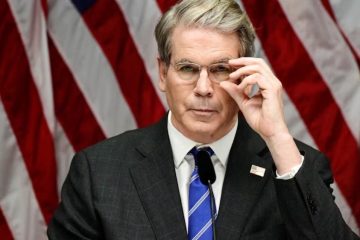
Iran has dismissed US assertions that sanctions are exerting significant pressure on its economy. Iranian Foreign Ministry spokesman Esmaeil Baqaei addressed on Tuesday the remarks made by US Treasury Secretary Scott Bessent, who characterised American sanctions as “suffocating” for Iran. Baqaei stated that Washington resorts to sanctions when diplomatic initiatives falter and subsequently escalates them when they fail to yield the intended outcomes. He characterised the approach as more of a “compulsive addiction” than a “policy.” The disagreement has resulted in the two sides adopting markedly divergent stances regarding the Strait of Hormuz. Washington views its naval presence as a mechanism to guarantee access to the waterway, whereas Tehran perceives the US military presence and blockade as the primary obstacles to reinstating normal shipping.
Iran has consistently asserted that it will not reopen the strait as long as the United States maintains its blockade of Iranian ports. The prevailing uncertainty has resulted in tanker traffic thru the waterway remaining below normal levels, thereby exacerbating concerns within global energy markets. Oil prices experienced an uptick on Monday, driven by escalating tensions between Washington and Tehran, thereby reversing a portion of the decline observed in the previous week. West Texas Intermediate crude for September delivery increased approximately 5 percent, concluding the session close to $82.13 per barrel. Brent crude experienced an increase of approximately 5 percent, reaching a price of about $87.72 per barrel.