Closure of Strait of Hormuz Could Spark 2008-Level Recession
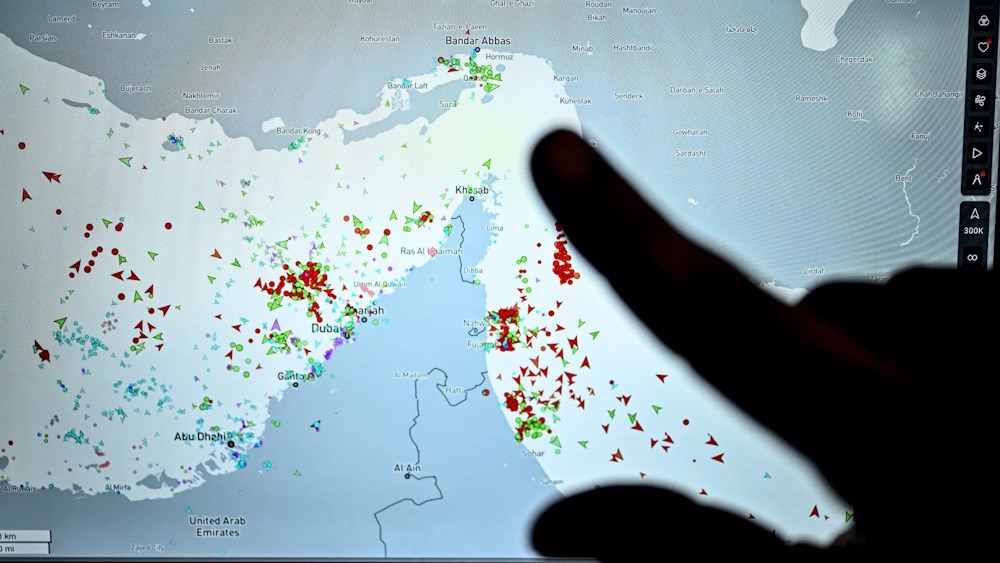
A closure of the Strait of Hormuz through August heightens the likelihood of an economic downturn that approaches the magnitude of the Great Recession in 2008, as noted by analyst. The advisory firm’s base case posits that the waterway will reopen in July, leading to an average oil demand reduction of 2.6 million barrels per day, with the spot-market price for benchmark Brent crude anticipated to peak near $130 a barrel during the summer months.
However, a disruption beyond then would necessitate an even more significant erosion of demand to counterbalance the supply shock through August and September — potentially sufficient to instigate an annual decline in global oil consumption in 2026. Several leading forecasters anticipate an unusual decline in global demand this year. Oil prices have nearly doubled since late February as the conflict involving the US, Israel, and Iran disrupts global markets, raising concerns about a concurrent increase in inflation and a deceleration in economic growth.
“The current macro setup is less extreme than the 1970s or 2007 to 08,” analysts noted, referencing economies that are less oil-intensive and more credible monetary policy frameworks. “However, that relatively stronger starting point does not mitigate the risk that ongoing spikes in oil prices could intensify financial and macroeconomic vulnerabilities.” A delay until August would exacerbate the third-quarter supply deficit to approximately 6 million barrels per day, the firm indicated, coinciding with inventories nearing operationally challenging levels.
Even with a restart in early August, markets are expected to tighten before any relief is experienced, as crude inventories are projected to continue their decline into September. Meanwhile, production in the Arab Gulf is anticipated to gradually rebound, and shipments will start reaching their destinations, as noted.