Dollar Rises Amid Inflation and Geopolitical Tensions
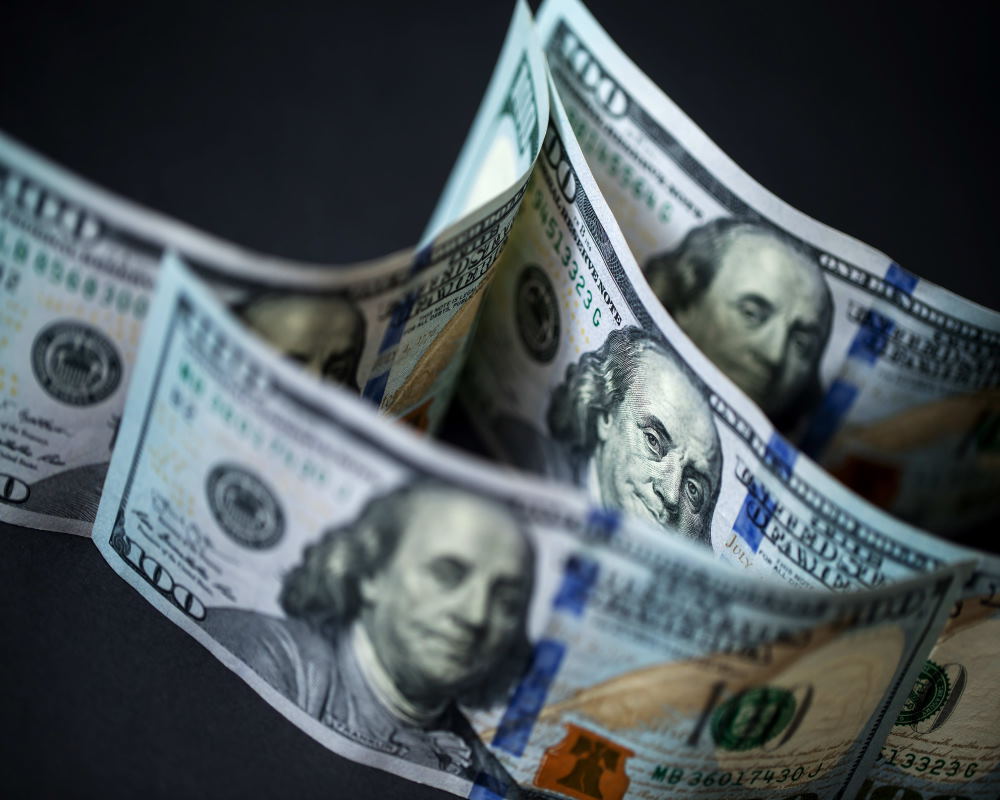
The U.S. dollar held steady near a six-week high on Wednesday as investors recalibrated expectations regarding the potential need for sustained elevated interest rates to address inflation arising from the Iran war, thereby nudging the Japanese yen back into the intervention zone. The ongoing uncertainty regarding the conclusion of the Middle East conflict has adversely affected market sentiment, heightened inflation concerns, and triggered a global selloff in bonds, as indicated by the yield on the U.S. 30-year Treasury bond reaching its highest level since 2007. President Donald Trump indicated that the United States might consider another strike on Iran, while also suggesting that Iran is seeking a deal to resolve the ongoing conflict that has disrupted markets and driven energy prices up.
The euro was last valued at $1.16025, having reached its lowest point since April 8 in the prior session. The British pound stood at $1.34, maintaining proximity to a six-week low it attained earlier this week. The Australian dollar, often viewed as a barometer of risk appetite, held firm at $0.7105, while the New Zealand dollar was quoted at $0.5834. Both reached levels that had not been observed in five weeks. The dollar held steady at 99.306 against a basket of currencies. The index has risen by more than 1% in May, propelled by safe-haven demand and market anticipations concerning the likelihood of the Federal Reserve implementing interest rate hikes before the end of the year. Market participants are currently assigning a probability exceeding 50% to a rate increase in December, as indicated by CME FedWatch, marking a notable shift from the two rate cuts that were anticipated prior to the conflict. Attention will be focused on the minutes from the Federal Reserve’s latest meeting, scheduled for release later today.
Carol Kong anticipates that the minutes will reflect a hawkish stance, likely driving the dollar higher. She notes that a growing number of Fed policymakers have voiced worries about high U.S. inflation since the previous Fed meeting in April. We continue to expect the FOMC to initiate a tightening cycle in December,” Kong stated. The fragile ceasefire established in April has largely endured, but apprehensions persist in the markets as the Strait of Hormuz—a crucial conduit for global oil and commodity supplies—remains predominantly inaccessible. Brent crude futures were priced at $110.46 per barrel, a notable increase compared to the levels recorded before the conflict began in late February. The assertive modification of high interest rates has profoundly affected the already struggling emerging-market currencies. The Indian rupee and Indonesian rupiah experienced additional declines on Wednesday, hitting unprecedented lows. The dollar’s ascent has brought the yen close to the 160-per-dollar mark, prompting Japanese officials last month to initiate their first currency market intervention in almost two years.
Sources indicate that Tokyo intervened multiple times at the end of April and early May to halt the decline of the yen; however, the yen’s strength proved to be short-lived. It was last a touch firmer at 158.93 per dollar as investors processed remarks from U.S. Treasury Secretary Scott Bessent that could potentially alleviate political obstacles for the Bank of Japan to raise rates next month. Bessent conveyed on Tuesday his confidence that BOJ Governor Kazuo Ueda would act appropriately if given adequate independence by Japan’s government, indicating Washington’s expectation for additional rate increases by the central bank. In the near term, excessive volatility is crucial while 160/161 continues to be the level to monitor,” stated Christopher Wong. Intervention risk should induce a more cautious approach in markets regarding the pursuit of higher dollar/yen levels. However, unless U.S. Treasury yields and the broader USD experience a decline, any official action may merely serve to temporarily decelerate the trend rather than reverse it,” he stated.