Oil Surges 6% Amid US-Iran Tensions in Strait of Hormuz
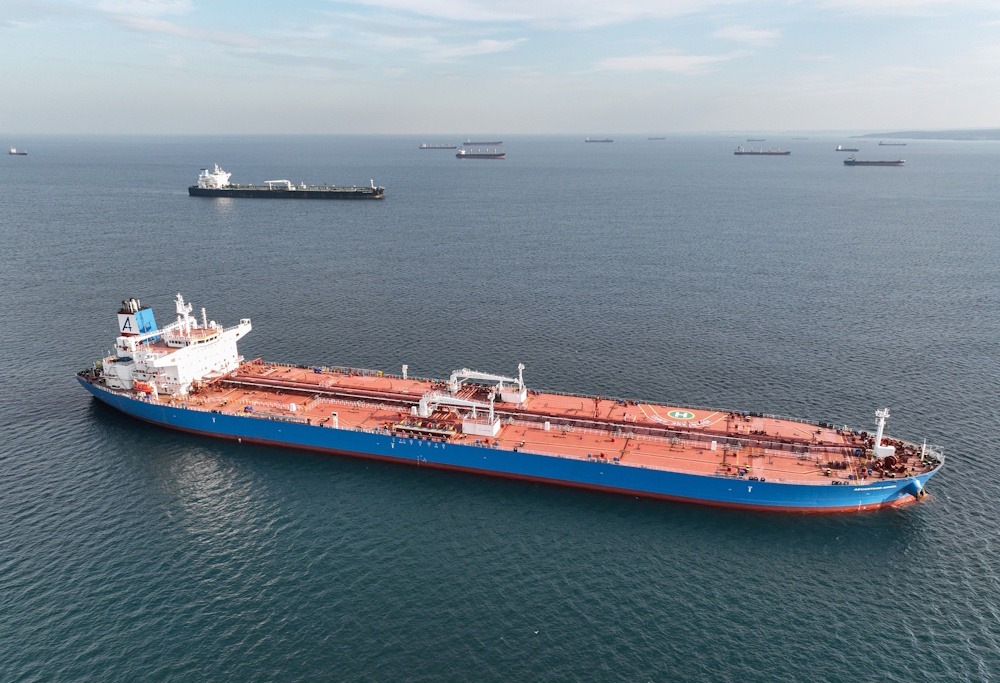
Oil prices experienced a rebound exceeding 6 percent on Monday, following a decline of over 9 percent on Friday. This fluctuation was triggered by reports indicating the closure of the Strait of Hormuz, as both the US and Iran accused each other of breaching their ceasefire agreement through attacks on vessels over the weekend. Brent crude futures experienced an increase of $6.11, representing a rise of 6.76 percent, reaching $96.49 per barrel by 2327. Meanwhile, US West Texas Intermediate rose to $90.38 per barrel, up by $6.53, or 7.79 percent.
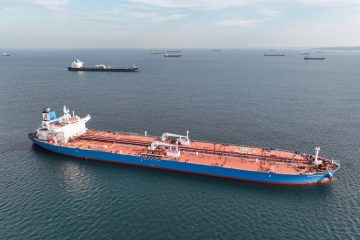
The US military has captured an Iranian cargo vessel attempting to breach its blockade, as stated by US President Donald Trump on Sunday. In response, Iran announced its decision to abstain from a second round of peace negotiations, despite Trump’s warning of potential renewed airstrikes. The United States has sustained a blockade of Iranian ports, whereas Iran has alternated between lifting and reimposing its own blockade of the Strait, a critical passage that accounted for approximately one-fifth of the global oil supply prior to the onset of the conflict nearly two months ago.
Oil markets persist in their fluctuations, reacting to the erratic social media communications from the US and Iran, rather than addressing the underlying challenges that hinder a swift resumption of oil flows, according to Saul Kavonic. Both contracts experienced their most significant daily declines since April 18 on Friday, following Iran’s announcement that passage for all commercial vessels through the Strait of Hormuz was open for the remainder of the ceasefire period. Additionally, Trump stated that Iran had agreed to never close the strait again. The announcement of the Strait opening was deemed premature, according to Kavonic.
Ship owners will exhibit considerable hesitation in approaching the Strait once more unless they are provided with significantly greater assurance that any declared passage is genuine. On Saturday, over 20 ships traversed the strait, transporting oil, liquefied petroleum gas, metals, and fertilizers, according to data. This marks the highest volume of vessels navigating the waterway since March 1.