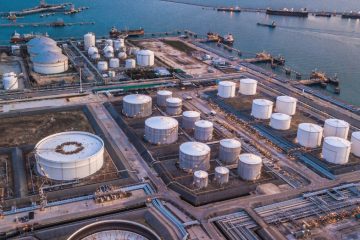
Oil Drops 9% as Iran Opens Strait of Hormuz
Oil prices experienced a decline of approximately 9 percent on Friday, following Iran’s announcement that the passage for all commercial vessels through the Strait of Hormuz remains open for the duration of the ceasefire. Additionally, US President Donald Trump stated that Iran has committed to never closing the strait again. Brent crude futures concluded the trading session with a decline of $9.01, representing a decrease of 9.07 percent, settling at $90.38 per barrel, following a dip to a session low of $86.09. US West Texas Intermediate crude futures concluded the trading session with a decline of $10.48, representing a decrease of 11.45 percent, settling at $83.85 a barrel, following a dip to a low of $80.56. Both contracts experienced their most significant daily drops since April 8. All vessels are permitted to navigate the Strait of Hormuz; however, this requires coordination with Iran’s Islamic Revolutionary Guard Corps, as stated by a senior Iranian official who also noted that the unfreezing of Iranian funds was integral to the agreement.
According to analysts, the market is now swiftly reversing the significant risk premium that had accumulated over the previous fortnight, with crude oil prices realigning to reflect a return to normal flow rather than the risks of disruption. Approximately 20 vessels were observed navigating from the Gulf towards the exit through the Strait of Hormuz, as indicated by ship tracking data. According to a source, the United States and Iran have advanced in their discussions regarding a three-page memorandum of understanding aimed at concluding the conflict. During an interview on Friday, Trump stated that the US will enter Iran at a “leisurely pace” to recover its enriched uranium and return it to the US. Prices had already declined earlier in the session as potential further discussions between the US and Iran over the weekend, along with a 10-day ceasefire between Lebanon and Israel, heightened investors’ optimism that the conflict in West Asia might be approaching a resolution.
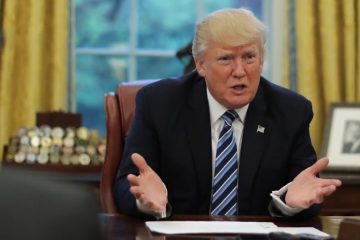
In addressing a critical juncture in the negotiations, Trump indicated that Tehran had proposed a commitment to refrain from developing nuclear weapons for a duration exceeding 20 years. We are poised to observe the forthcoming developments. “But I think we’re very close to making a deal with Iran,” Trump told outside the White House on Thursday. On Friday, Trump stated that the US has prohibited Israel from conducting further bombings in Lebanon, adopting a notably more severe tone than is customary with this longstanding ally. Following the announcement regarding the opening of the strait, a US official informed that a military blockade of Iran, which involves over 10,000 personnel, continues to be in place.
Although the opening of the strait represents progress, the European market is expected to remain constrained for some time, according to analyst. This is largely due to the approximately 21-day transit time required for vessels to travel from the Gulf to Rotterdam, the primary crude port in the area. Traffic may face another halt in the strait if an agreement regarding Iran’s nuclear ambitions and the lifting of US sanctions continues to be elusive, according to Tamas Varga. This week in the United States, energy companies have reduced the count of operational oil and natural gas rigs for the second consecutive week, marking the first such decline since March, according to the widely referenced report from energy services firm Baker Hughes released on Friday.