Quad forms $20 bn vital minerals alliance to reduce China dependence
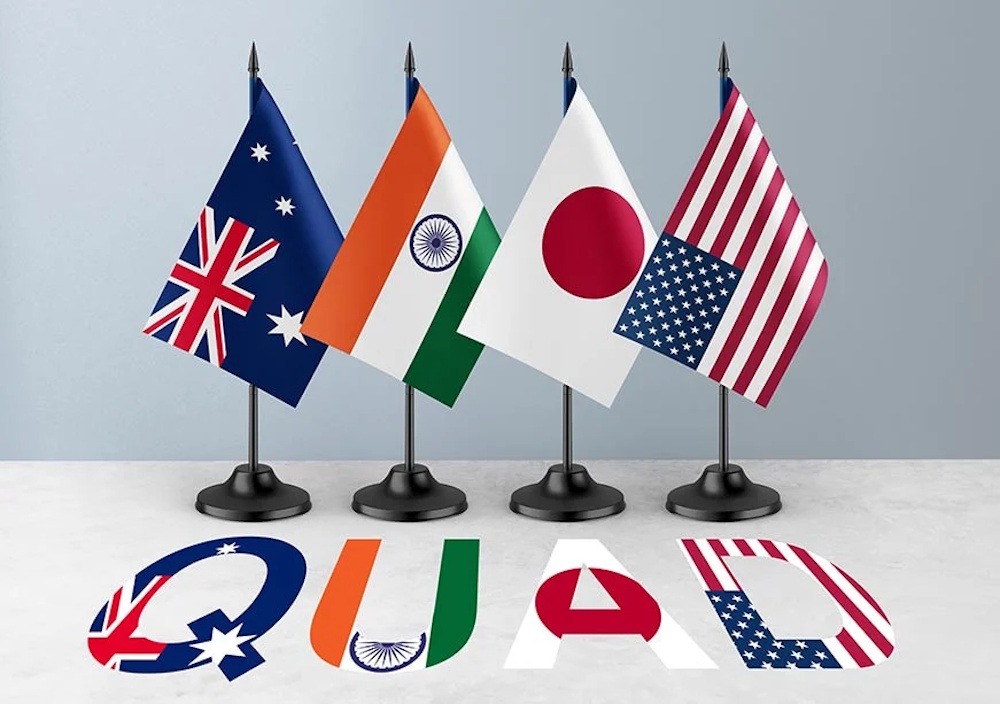
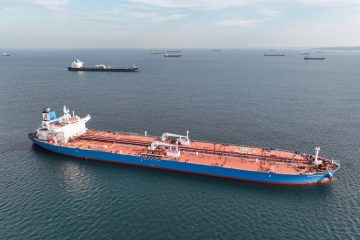
The Quadrilateral Security Dialogue partners on Tuesday initiated the Critical Minerals Initiative aimed at mobilising up to $20 billion in government and private sector support to enhance supply chains encompassing mining, processing, and recycling. The Quad foreign ministers expressed “grave concerns” regarding “economic coercion,” specifically alluding to China’s export-control regime in the sector. The meeting, chaired by External Affairs Minister S Jaishankar and attended by US Secretary of State Marco Rubio, Australian Foreign Minister Penny Wong, and Japanese counterpart Toshimitsu Motegi, occurred against a backdrop of apprehensions regarding the future of the Quad, particularly as the Donald Trump administration aimed to recalibrate US-China relations. The ministers conveyed a message indicating that the grouping remains dynamic and that the United States continues to maintain its investment in it. In a joint statement released following their meeting, the Quad foreign ministers emphasised the importance of navigational freedom in the Strait of Hormuz and the Red Sea, denounced assaults on commercial shipping vessels, and expressed their opposition to the imposition of tolls. They also articulated significant apprehension regarding the circumstances in the East China Sea and the South China Sea, particularly concerning the militarisation of ongoing disputes. As evidence that the Quad is fulfilling its primary goals, it is “here to stay and going strong,” Rubio, together with foreign ministers, initiated new efforts aimed at enhancing collaboration in areas including energy security and critical minerals.
In response to China’s assertiveness in the Indo-Pacific region, plans have been announced to enhance maritime surveillance technology, safeguard undersea cables, and improve port infrastructure for critical Indo-Pacific corridors, beginning with the development of a port in Fiji. On the margins of the Quad meeting, India and the US established a significant framework for collaboration aimed at ensuring consistent supplies of critical minerals. Rubio characterised the framework as “a tangible example” of the US-India strategic partnership. The framework contributes to Washington’s Pax Silica initiative, which India became a part of in February. The US is mobilising $30 billion to secure critical mineral supply chains. The Quad’s Initiative on Indo-Pacific Energy Security arises in the context of disruptions in energy and fertiliser supplies. Under the initiative, the Quad partners have pledged to collaborate in order to maintain open and stable energy markets, alongside fostering resilient and diversified supply chains. The initiative will leverage similar programmes launched by member countries, including Japan’s $2 billion Southeast Asia Investment Financing Facility, and will also aim to strengthen strategic petroleum systems in the region. To achieve this, the Quad will convene a Quad Fuel Security Forum to coordinate high-level discussions and facilitate cooperation.
In discussing the announcements regarding maritime security in the Indo-Pacific, Rubio highlighted that 60 percent of global maritime trade transits through this crucial region. The foreign ministers of the Quad convened a joint briefing following their meeting at Hyderabad House in New Delhi. Indian officials indicated that the Ministry of External Affairs, in its capacity as host, acknowledged the visiting ministers’ preference to deliver only prepared statements without engaging in media enquiries. However, uncertainty persisted regarding India’s capacity to host the Quad Summit this year, given its current role as chair of the grouping. In response to enquiries regarding the potential for the next Quad Summit to take place in a nation other than India, or in conjunction with another multilateral summit, Indian officials indicated that the determination of the venue and timing would rest with the foreign ministers. Australia is set to assume the Quad chairmanship from India. India had initially been slated to host the Quad Summit in 2024; however, the event took place in September of that year in Delaware, US, coinciding with the concluding months of Joe Biden’s presidency. The summit will also not take place in India in 2025. In Beijing, the spokesperson for the Chinese Foreign Ministry, Mao Ning, stated during a briefing that cooperation among nations ought to foster regional peace, stability, and prosperity, and should not be aimed at any third party. “We oppose forming exclusive groupings or engaging in bloc confrontation,” the spokesperson stated.
During a briefing in New Delhi, K Nagaraj Naidu, additional secretary in the MEA, stated that the Quad’s “existence is not because we need to address a particular geography and its concerns. He stated that India’s emphasis within the Quad has been on executing tangible initiatives, such as support during the Covid pandemic, the establishment of solar projects, and providing scholarships for the region. He noted that the Quad was broadening the range of its developmental agenda. The Indian official stated that the US is “very engaged” in the Quad, emphasising that its significance to Washington should be interpreted in the context of US national security and defence strategies. He stated that the Quad foreign ministers had convened on three occasions over the last 18 months. “The Quad is here to stay, it is going strong, and its work has increased with new layers being added,” Naidu stated, noting that the grouping’s absence of a formal secretariat contributes to its nimbleness and flexibility as an organization. In response to an inquiry regarding whether the US strikes on Iran were a topic of discussion during Tuesday’s meeting, where Quad foreign ministers emphasised the importance of adhering to international rule of law, officials indicated that the “interpretation of rule of law” by any member country was not addressed.