Trump’s pressure tactics forced Iran to negotiate: US Treasury Secretary
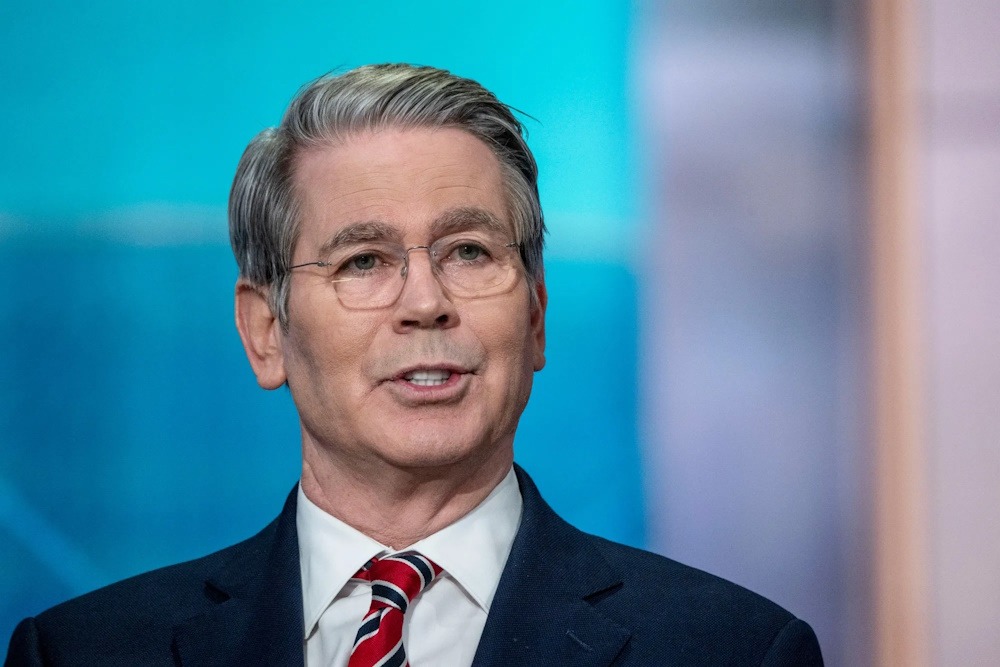
US Treasury Secretary Scott Bessent praised President Donald Trump’s administration for its “kinetic actions and economic pressure” on Iran, asserting that these measures were effective in prompting Tehran to engage in negotiations regarding its nuclear programme. During a White House briefing, Bessent remarked that this achievement was unprecedented for any previous administration and expressed hope that the US could persuade Iran to abandon its nuclear program as ceasefire negotiations progress. This administration, President Trump, has accomplished something that no previous administration has managed to achieve. We have successfully engaged the Iranians in discussions regarding their nuclear program, potentially leading to a commitment against its development. That has not occurred previously. It had been off the table,” he stated. “When examining the outcomes of the kinetic action stemming from our economic pressure, it is evident that it has succeeded in prompting them to engage in dialogue on this matter,” he added.
In discussing the prospective US agreement with Iran, Bessent emphasised that its realisation hinges on President Donald Trump’s unwavering stance regarding Iran’s nuclear program. “Everything depends on what the president wants to do, and President Trump is not going to make a bad deal for the American people,” he said. He maintained that any agreement must satisfy Trump’s stipulations requiring Iran to surrender its highly enriched uranium and pledge not to seek a nuclear weapon, alongside permitting unrestricted navigation through the strait. “It is a multifaceted agreement and nothing is going to be on the table until we see the Strait of Hormuz open and the Iranians agree that they have to turn over the highly enriched uranium, and that they can’t have a nuclear program,” he said.
Bessent also addressed the economic slump caused by the disruption in the global supply of petrol and oil after Iran choked the vital waterway, the Strait of Hormuz. He, however, concentrated on enhancing the situation as both parties moved closer to an agreement. Oil prices have experienced a decline of approximately 10% in May. “Almost 2,000 ships are waiting to leave the Gulf, and I think the oil market will be very well supplied on the other side of this (West Asia conflict), and we could see prices come down very quickly,” he said. US and Iranian negotiators have reportedly reached a tentative 60-day memorandum of understanding aimed at extending a fragile ceasefire and paving the way for formal talks regarding Iran’s nuclear programme. As reported, the agreement is currently pending final approval from President Donald Trump, alongside Iran’s acceptance.
The proposed MoU aims to facilitate dialogue between both nations to address the ongoing crisis in West Asia. While officials on both sides acknowledged that the majority of terms were resolved by Tuesday, the ultimate obstacle lies in securing the endorsement of senior leadership. One US official indicated that President Trump has asked for several days to examine the final draft prior to making a commitment to the framework, as reported. The deal, if finalised, would represent the most significant diplomatic breakthrough since the onset of the conflict on February 28. However, officials noted that a comprehensive agreement addressing Trump’s nuclear demands would still require extensive negotiations. “This is an agreement to get everybody to the table. We will work out the details in the negotiations,” one of the US officials said, as reported.