Trump Urges Arab Leaders to Support Abraham Accords
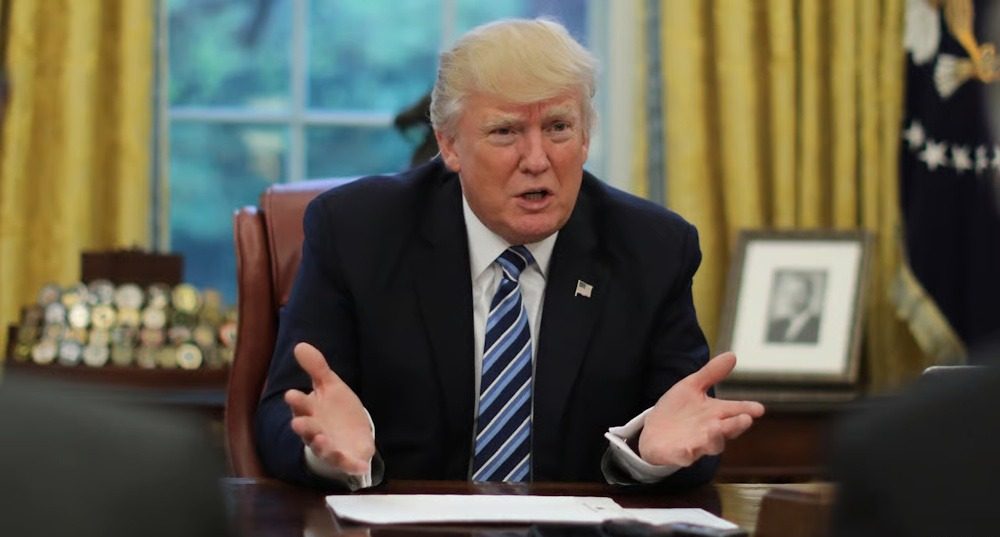
US President Donald Trump, during a significant call with West Asian leaders on Saturday, indicated that should a resolution to the conflict with Iran be reached, he desires their endorsement of the Abraham Accords, as reported. Trump’s remarks indicate Washington’s effort to leverage a potential Iran deal to advocate for a more extensive geopolitical realignment in the region. The Abraham Accords represent a collection of diplomatic agreements facilitated by the United States aimed at fostering formal relations between Israel and various Arab countries. According to the report, Trump engaged in a call with the leaders of Saudi Arabia, the United Arab Emirates, Qatar, Pakistan, Turkey, Egypt, Jordan, and Bahrain to deliberate on the developing agreement with Iran. During the conversation, he stated that countries not already part of the Abraham Accords should normalise ties with Israel following the conclusion of the war.
The report indicated that several leaders expressed surprise regarding the proposal, especially those from nations like Saudi Arabia, Qatar, and Pakistan, which lack formal diplomatic relations with Israel. On Sunday, the US President expressed on his social media platform Truth Social a desire for increased participation from West Asian nations in the accords, suggesting that Iran might also have the potential to join the agreement in the future. Initially proposed in 2020, the Abraham Accords represented a collection of peace agreements that facilitated the normalisation of diplomatic relations between Israel and various Arab nations. The UAE was the inaugural nation to sign the accords in 2020, subsequently joined by Bahrain, and later by Morocco and Sudan.
For decades, the dynamics of the West Asia region have been significantly influenced by the Israeli-Palestinian conflict, leading numerous Arab nations to decline the establishment of formal diplomatic relations with Israel. The agreements represented a significant geopolitical transformation in the region, facilitating diplomatic and economic interactions between Israel and various Arab states, notwithstanding the ongoing Palestinian issue. The accords facilitated collaboration among Israel and the involved nations across various sectors, including trade, investment, tourism, technology, and security. The ongoing conflict in West Asia, persisting for almost three months, coupled with disturbances in the Strait of Hormuz, has heightened apprehensions regarding global energy supplies and economic stability. This situation has led numerous nations to advocate for a diplomatic resolution. Iran is experiencing increasing pressure as the conflict exacerbates the existing strains on its already fragile economy.
Reports indicate that Trump is leveraging the negotiations to realign regional alliances in favour of Israel, a longstanding ally of the United States. A primary objective for the United States in these negotiations has been to achieve a normalisation agreement between Saudi Arabia and Israel, representing the most substantial diplomatic transformation in the region in decades. However, progress remains challenging due to the ongoing tensions surrounding the conflict in the Gaza Strip and Saudi Arabia’s insistence on a credible pathway towards a Palestinian state — a stipulation that the current Israeli government has dismissed.