Iran Conflict Boosts China’s Reliance on US for Specialized Gas
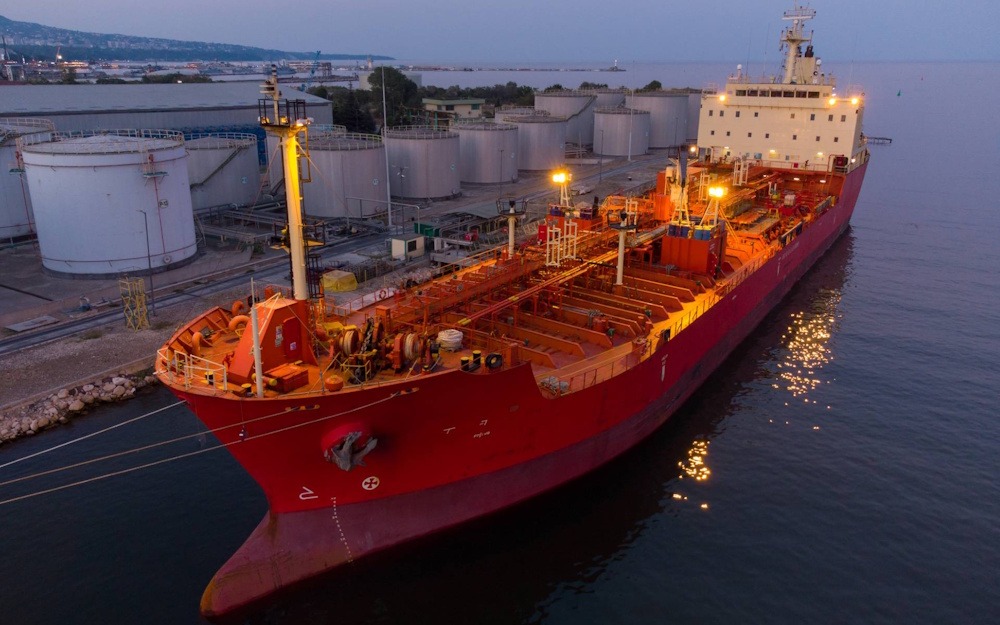
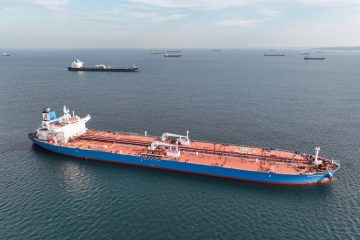
China is poised to import an unprecedented quantity of US ethane this month, as petrochemical manufacturers pursue alternative feedstocks for their operations following the disruption of essential supplies due to the conflict in West Asia. According to Chinese consultant JLC, shipments of US ethane are projected to reach a record 800,000 tons in April, representing an increase of approximately 60 percent compared to the monthly average. Certain companies may transition to utilizing ethane, thereby mitigating the impacts of supply disruptions in naphtha and liquefied petroleum gas originating from West Asia following the effective closure of the Strait of Hormuz.
Ethane, a natural gas liquid, serves predominantly in the production of ethylene, which is essential for plastics manufacturing. Notably, China relies heavily on the United States for its ethane supply. The product emerged as a significant point of contention between Beijing and Washington last year, following the US’s implementation of stricter export controls amid an intense trade conflict. According to Shi Linlin US ethane has emerged as the favored option for China’s ethylene producers, attributed to its stable supply and reduced costs. As of April 15, the profitability of producing ethylene from ethane was ten times greater than that from naphtha, a situation exacerbated by crude-linked pricing, according to JLC.
The increase in downstream production capacity has also resulted in a rise in demand for the gas. According to Shi, the recent establishment of a new ethane unit by Wanhua Chemical Group, alongside a multi-feed cracker unit developed by Sinopec Ineos (Tianjin) Petrochemical Co., has contributed to an increase in imports this year. In February, over 50 percent of China’s naphtha imports and more than 40 percent of its LPG purchases were sourced from nations in the Persian Gulf, as reported by Chinese government data. The conflict commenced at the conclusion of that month.
Last week, the International Energy Agency noted that “petrochemical feedstocks display the most immediate effects of the war by far,” highlighting that supply chains to Asia have been thrown into “disarray.” Japan has been compelled to seek naphtha, engaging a variety of suppliers from both the US and Africa. China’s recent surge in ethane purchases precedes President Donald Trump’s scheduled visit to Beijing in mid-May, with US energy anticipated to feature prominently in the discussions. The situation may become increasingly significant if the conflict in Iran persists over an extended period.