Starmer Resigns as Labour Party Pressure Mounts
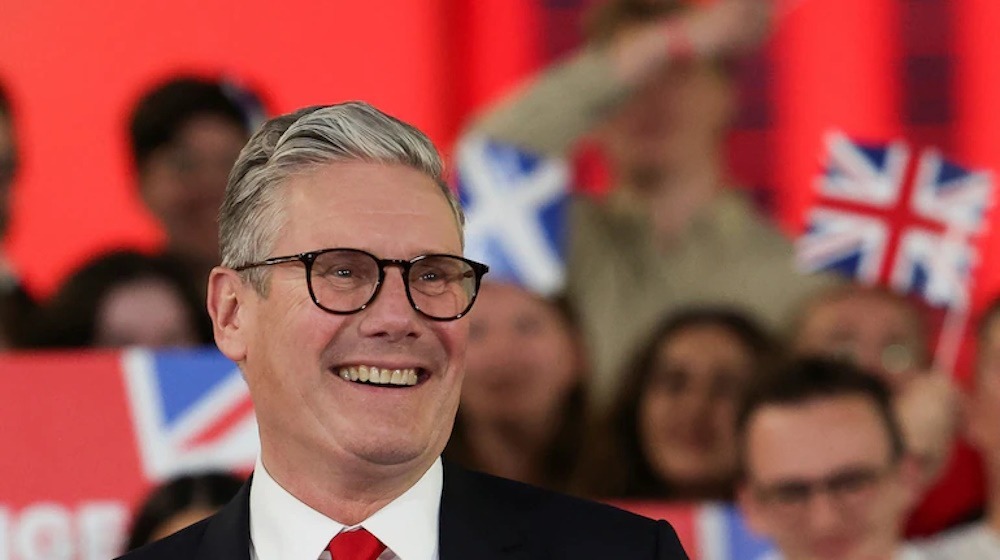
UK Prime Minister Keir Starmer has declared his intention to resign, indicating that a successor ought to be appointed by September, amid growing discord within the ruling Labour Party. He also stated that he was resigning from his position as the leader of the Labour Party. Starmer’s announcement arrived in the context of increasing pressure for him to step aside for a new leader who could rejuvenate the government’s waning prospects. He has held the position of prime minister since guiding the Labour Party to a decisive triumph in the general election of July 2024. However, over the past two years, both his personal approval ratings and the party’s popularity have declined significantly. The immediate catalyst for his exit was the triumph of Andy Burnham in a special election held last week. Burnham, the former mayor of Greater Manchester and a prominent figure within the Labour Party, had been gearing up to contest Starmer for the party leadership.
Starmer dedicated the weekend to contemplating his future following the outcome of a special parliamentary election, where intra-party rival Andy Burnham emerged victorious. This result has significantly amplified the demands for a shift in Labour’s leadership. Burnham, having resigned from his position as Greater Manchester mayor, entered the contest with the aim of vying for the Labour leadership. He is scheduled to be sworn in as a Member of Parliament on June 22. Pressure on Starmer had been accumulating for several months; however, Burnham’s decisive re-entry into Westminster on Friday signified a pivotal moment. The seasoned politician triumphed over a contender from Nigel Farage’s Reform UK party, which has consistently led national opinion polls for over a year.
The result fuelled optimism among Labour lawmakers that Burnham, recognised for his effective communication abilities and public charisma, might rejuvenate a party that has faced challenges under Starmer’s leadership. Starmer’s approval ratings have experienced a significant decline, positioning him among the least popular prime ministers in Britain’s recent history. Whoever succeeds Starmer will take on an economy characterised by sluggish growth, elevated public debt, and increasing borrowing costs. Britain currently experiences the highest borrowing costs within the Group of Seven economies, amid concerns regarding government finances and the necessity for increased expenditure on priorities such as defence. The forthcoming leader will mark the seventh prime minister of Britain since the 2016 Brexit referendum, underscoring a decade characterised by political instability within the nation.
Even prior to Starmer’s announcement, US President Donald Trump associated the challenges faced by the British leader with two recurring themes in his discourse: immigration and energy policy. “Keir Starmer will resign as Prime Minister of the United Kingdom. He failed badly on two very important subjects — IMMIGRATION AND ENERGY (OPEN NORTH SEA OIL!). I wish him well!” Trump wrote on his social media platform. Starmer’s initially cordial rapport with Trump has soured in recent months, especially concerning the conflict involving Iran, a situation in which Britain opted not to participate. Despite increasing domestic criticism, Starmer has garnered international acclaim for his role in galvanising European support for Ukraine in its conflict with Russia and for his initiatives aimed at mitigating the wider economic and political repercussions stemming from the Iran situation.