NATO Summit 2026: Focus on Ukraine, Iran, and Defence Spending
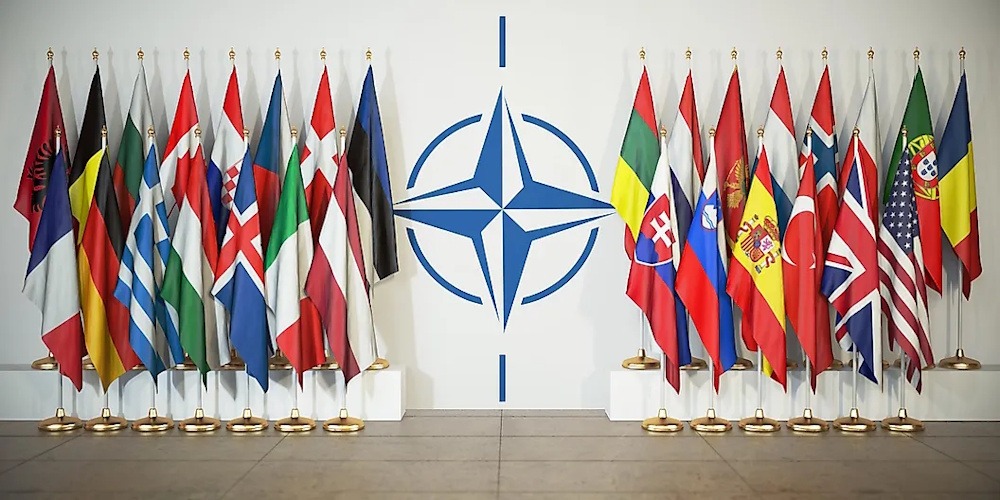
Nato leaders will convene in Ankara for a summit on Tuesday and Wednesday, facing pressure from President Donald Trump for Europe to increase defence spending, alongside months of transatlantic tensions regarding the Iran war and Greenland. The US president’s frequent criticism of NATO, coupled with announced troop withdrawals from Europe and a six-month review of the US military presence on the continent, has generated uncertainty within the alliance. The Trump administration has advocated for Europe to enhance its defence investment and assume primary responsibility for the continent’s defence. Officials anticipate that leaders will concentrate on advancements regarding defence spending objectives, enhancing defence industrial output, and strategies for executing “burden-shifting” from the US to Europe. Leaders from NATO’s 32 member countries, including Trump, are set to participate in the upcoming summit. Ukrainian President Volodymyr Zelenskiy, South Korean President Lee Jae Myung, European Council President Antonio Costa, and European Commission President Ursula von der Leyen are anticipated to participate in a dinner with NATO leaders on Tuesday evening.
European leaders will seek to demonstrate to Trump their commitment to a pledge made at a summit in The Hague last year, which entails allocating 5 percent of gross domestic product to defence and defense-related measures by the year 2035. “In 2025, European Allies and Canada increased their investments in core defence requirements by more than $139bn,” leaders are expected to say in a summit declaration. “We are building the future: a stronger Europe in a stronger Nato – a modernised Alliance. European Allies and Canada, working with the United States, are assuming greater responsibility for the Alliance’s defence,” they are set to say. Nato members are anticipated to reiterate their backing for Ukraine and commit to additional support. “For 2026, Allies pledge €70bn in military equipment, assistance and training for Ukraine and affirm their sovereign commitments to sustaining at least equivalent levels in 2027,” the leaders are expected to say. Part of the funding will derive from established bilateral commitments and a European Union loan facility that allocates €60 billion for Ukrainian defence investment and procurement for the years 2026-2027.
The United States is not anticipated to provide financial support. The alliance’s actions regarding the industry remain to be seen. It is crucial to analyse their strategic objectives and potential impacts on market dynamics. Observers will be keen to evaluate how these initiatives align with broader economic trends and industry standards. While last year’s summit concentrated on reaching a new spending commitment, officials aim for this year’s assembly to prioritise the enhancement of weapons manufacturing and the advancement of defence innovation. The alliance is set to convene a defence industry forum in Ankara on Tuesday, during which agreements valued in the tens of billions of dollars are expected to be disclosed. European officials express apprehension that the conflict in Iran, coupled with Trump’s dissatisfaction with European governments regarding their reactions, may eclipse the upcoming summit. In their summit declaration, leaders are anticipated to assert that “allies reiterate that Iran must never have a nuclear weapon and call on Iran to fully respect freedom of navigation in the Strait of Hormuz.”
Turkey aims to emphasise its expanding defence industry capabilities and reiterate its enduring request for alliance members to remove all restrictions on defence trade within NATO. President Tayyip Erdogan will seek to advance discussions with allies including France and Italy regarding the acquisition of SAMP/T missile defence systems and other collaborative efforts in the defence industry. In bilateral discussions with Trump, Erdogan is anticipated to underscore the enhancement of relations between Ankara and Washington while advocating for the removal of US sanctions and the reinstatement of access to the F-35 fighter jet program. In Ankara, NATO foreign ministers are anticipated to convene with their counterparts from Bahrain, Kuwait, Qatar, and the United Arab Emirates. Additionally, they will engage in a dinner discussion with Ukraine’s foreign minister and the European Union’s foreign policy chief, Kaja Kallas. NATO defence ministers are scheduled to engage in discussions with their counterparts from Australia, Japan, New Zealand, and South Korea.