US mulls Finra-style watchdog for advanced AI model vetting
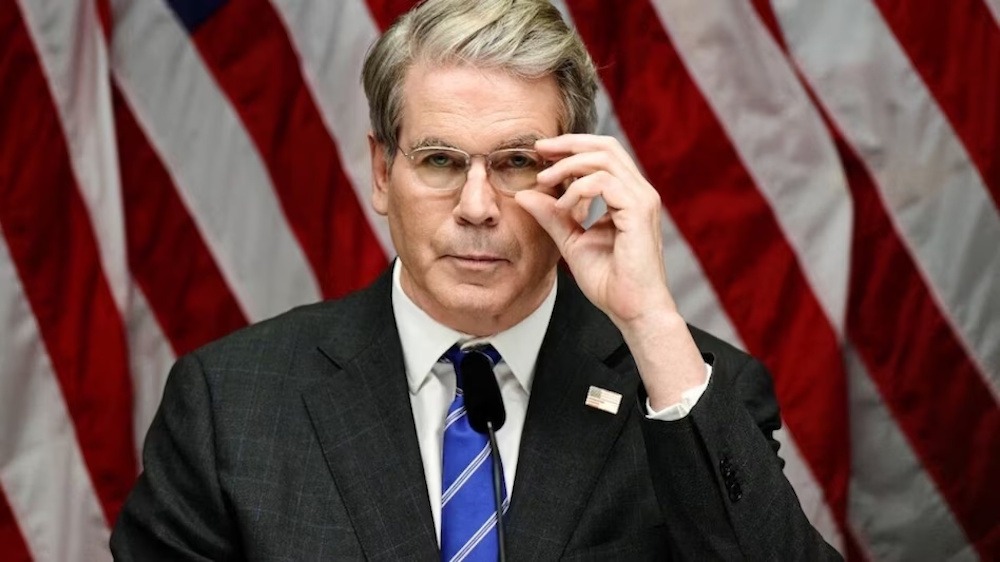
The Trump administration is contemplating the establishment of an independent regulator tasked with evaluating the safety of artificial intelligence models, incorporating insights from industry stakeholders. This consideration follows grievances from Silicon Valley executives regarding the haphazard approach of recent US actions aimed at curbing the deployment of advanced AI systems. Treasury Secretary Scott Bessent played a pivotal role in formulating the proposal, which aims to establish an independent regulatory agency for AI that would operate under the oversight of the Securities and Exchange Commission, akin to the Financial Industry Regulatory Authority, as reported by sources familiar with the situation. The plan is currently under review by White House Chief of Staff Susie Wiles, according to sources. Such an approach would provide greater assurance for prominent AI laboratories such as Anthropic PBC, which recently faced US export controls that resulted in the temporary suspension of its Fable 5 and Mythos 5 models, and OpenAI, which implemented substantial modifications at the government’s behest prior to the launch of its latest Sol model. Both companies expressed their disapproval of the government’s actions, deeming them disproportionate in relation to the safety concerns highlighted by US officials.
The proposal seeks to satisfy both financial institutions aiming to mitigate the cybersecurity risks associated with AI and technology firms in Silicon Valley who are expressing dissatisfaction with what they perceive as an erratic approach from the administration in regulating this emerging technology, according to sources. The framework, which remains under deliberation and is subject to change, would enable both industries to assume a more significant role in collaboratively establishing safety standards, they indicated. President Donald Trump has not yet reviewed the plan, one individual noted; however, officials have expedited efforts to provide the AI industry with greater clarity in light of the recent introduction of a new Chinese model that has triggered a selloff in AI-related stocks. Wiles typically engages in policy debates, such as those concerning tariffs or AI policy, when they exhibit potential political risks for the president and necessitate extensive coordination among various officials and agencies. A White House official indicated that the administration is evaluating various proposals aimed at solidifying the United States’ leadership in artificial intelligence and enhancing cybersecurity measures. The Treasury Department did not provide an immediate response to a request for comment. The discussions surrounding AI oversight are occurring in the context of escalating competition with China for global dominance in technology. On Friday, Chinese AI startup Moonshot unveiled its new Kimi K3 model, which competes with pricier systems from OpenAI and Anthropic, raising fresh enquiries among investors regarding the sustainability of the US industry’s ongoing expenditure on AI chips and data centers.
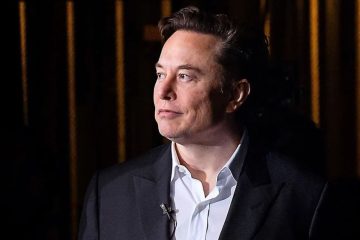
David Sacks, the venture capitalist and former White House AI czar who continues to advise Trump on technology, suggested that the new Chinese model was “concerning” and a consequence of America “tying itself in knots,” particularly through the push for government approval of AI models. Since the release of Anthropic’s Mythos model, which features cyber capabilities that alarmed officials and business leaders, the Trump administration has been deliberating on the appropriate level of intervention necessary to address AI safety risks. Last month, the US implemented a more rigorous strategy to prevent foreign nationals from gaining access to Anthropic’s premier AI models. The latest proposal, however, aligns more closely with a prior Trump directive that delineates a lighter-touch, voluntary review framework developed in conjunction with AI firms. Broadly, the US plan aligns with the policy suggestions published earlier this week by Demis Hassabis, chief executive officer of Google DeepMind, who is scheduled to meet with policymakers in Washington next week to advocate for his proposal. His recommendations garnered commendation from Microsoft Corp. Chief Executive Officer Satya Nadella, alongside OpenAI CEO Sam Altman and SpaceX CEO Elon Musk, who are generally considered fierce competitors.
The plan devised by Hassabis proposes that a board of independent technical experts evaluate AI models within a standards body that is supervised by the federal government. To finance the talent and computational resources, he suggests that the industry should support the self-regulatory organization, which would work in conjunction with government agencies and US national laboratories to establish model test protocols for domains such as cybersecurity and biological threats. In a post on X detailing his proposal, Hassabis compared the watchdog to Finra, an independent, industry-funded regulator for broking firms that operates outside the formal structure of the US government. It derives its authority from the Securities and Exchange Commission, which effectively delegates oversight to Finra. It remains uncertain what types of model evaluations the administration’s proposal would necessitate, as well as the funding mechanisms for a new agency and the extent of the SEC’s oversight over AI firms. Both OpenAI and Anthropic are privately held entities, yet both are considering initial public offerings in the forthcoming year.