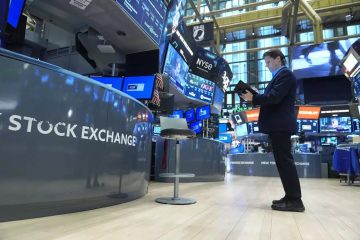
Asian shares face inflation concerns as oil prices surge
Asian shares faced downward pressure on Friday as the initial investor enthusiasm surrounding tech stocks waned, yielding to concerns over inflation. This shift resulted in Treasury yields reaching one-year highs and an increase in expectations for a US rate hike within the year. Oil prices continued to rise due to the stagnation in efforts to open the Strait of Hormuz, coupled with US President Donald Trump’s assertion that China expressed interest in purchasing US oil. Incidents involving the attack on one vessel and the seizure of another have heightened apprehensions regarding energy supplies, resulting in a 5.7 percent increase in Brent crude futures this week, reaching $107 per barrel. Attention is focused on Beijing as Trump prepares to conclude his two-day state visit on Friday. Trump’s entourage features Tesla CEO Elon Musk alongside Jensen Huang, the chief executive of chipmaker Nvidia. Nvidia experienced a notable increase of 4.4 percent overnight following the US government’s approval of sales for the company’s H200 chips to Chinese enterprises, contributing to the S&P 500 and Nasdaq reaching new record highs. The euphoria, however, did not extend to Asia.
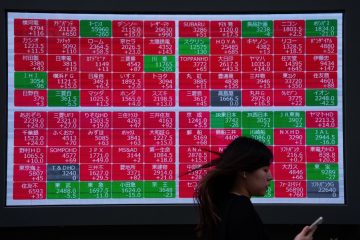
On Friday, MSCI’s broadest index of Asia-Pacific shares outside Japan experienced a decline of 1.2 per cent, effectively negating the gains made earlier in the week. Japan’s Nikkei experienced a decline of 1.2 per cent following the release of data indicating that wholesale inflation in the country surged to 4.9 per cent in April, marking the highest rate in three years. This development positions the Bank of Japan to potentially increase interest rates. South Korea’s KOSPI reached the milestone of 8,000 points for the first time; however, it encountered profit-taking, resulting in a decline of 3 percent. China’s blue-chip index declined by 1 percent, whereas Hong Kong’s Hang Seng index experienced a decrease of 0.9 percent. The ongoing visit of President Trump to China provides a much-needed respite from the prevailing concerns surrounding the conflict with Iran. “But that is what we are going right back to,” stated Padhraic Garvey. The primary concern is the persistent inflation, which continues to pose challenges from the standpoint of the Treasury market. We uphold a perspective focused on an upward examination for yields in the forthcoming weeks.
Increasing inflation concerns, propelled by the spike in oil prices, are dampening investor interest in US Treasuries. This week’s series of lackluster auctions, covering three-year notes, 10-year notes, and 30-year bonds, highlights the vulnerability of the market. The most recent 30-year bond auction concluded with a yield of 5.046 percent, marking the highest return for that maturity since August 2007. The elevated yield drew in certain buyers on Thursday; however, 30-year Treasury yields continued their ascent on Friday, rising by 5 basis points to 5.06 percent, marking the highest level since July 2025. While the long end of the Treasury curve garnered attention, borrowing costs are also surging at the short end. The yield on US two-year notes increased by 6 basis points on Friday, reaching 4.056 per cent, marking the highest level since May 2025.
Similarly, the 10-year yield also rose by 6 basis points to 4.518 per cent. The dollar was poised for a 1.2 percent weekly gain, marking the most significant increase in two months, bolstered by the absence of progress in the Gulf. Robust US retail sales figures have led markets to assign a 45 percent likelihood that the Federal Reserve will need to increase interest rates this year, even with Kevin Warsh at the helm. The strength of the greenback has driven the yen to a level below 158 per dollar, prompting traders to remain vigilant for potential intervention from Tokyo. Sterling declined to a one-month low of $1.3385, experiencing a 0.9 per cent drop in the preceding session after the resignation of British health minister Wes Streeting, which has exacerbated the political crisis in the region.