Global Clean Energy Finance Gap Hurts Developing Nations
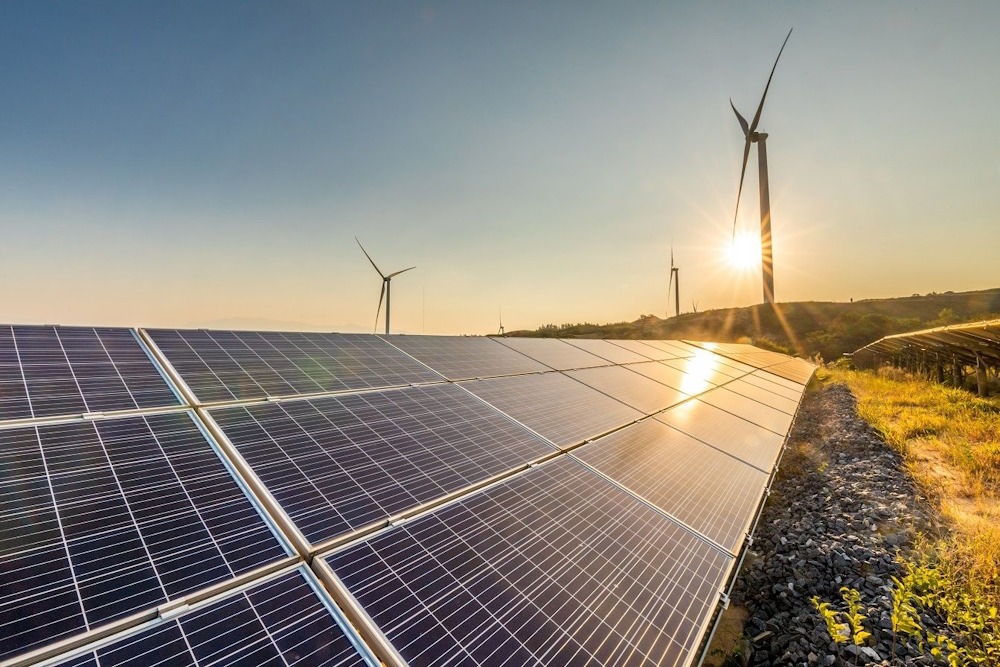
International public financial flows to developing countries aimed at supporting clean energy experienced only modest growth in relation to the pressing needs, increasing slightly to $24.6 billion in 2024 from $24.4 billion in 2023, as reported in the latest edition of Tracking SDG 7: The Energy Progress Report. The report was published jointly by the Sustainable Development Goal 7 custodian agencies — the International Energy Agency, the International Renewable Energy Agency, the Statistics Division of the United Nations Department of Economic and Social Affairs, the World Bank, and the World Health Organization.
The report is set to be unveiled to policymakers during a dedicated launch event on July 8, 2026, subsequent to a comprehensive evaluation of SDG 7 at the High-Level Political Forum on Sustainable Development in New York, which monitors advancements on the Sustainable Development Goals. “Despite the high cost of debt creating economic strain across developing countries, debt-based financing continues to be the main form of international public clean energy finance, accounting for about 80 per cent of total flows in 2024,” the agencies stated. The report indicates that, notwithstanding certain advancements, the pace of progress regarding access to electricity is still considerably sluggish. In 2024, the global electricity access rate remained at 92 percent, with annual growth in access declining to half of what it was in the previous decade.
Sub-Saharan Africa and its rural populations remain at a disadvantage, as evidenced by the rise in the rural electricity access deficit from 376 million individuals in 2010 to 447 million in 2024. The report indicates that the most significant energy gap continues to be access to clean fuels and technologies for cooking. “Progress is uneven, with a stark urban-rural divide: 89 per cent of the urban population have access to clean cooking compared to only 56 per cent of people living in rural areas,” it stated. Renewable energy currently accounts for over 30 percent of global electricity generation; however, its role in heating and transportation is still relatively constrained.
Despite record growth in renewable energy capacity, significant disparities continue to exist among nations. The report indicated that renewable energy-generating capacity in low-income countries was merely 33.6 watts per person, in stark contrast to the 1,224 watts per person observed in high-income countries. Recent global energy shocks have underscored a critical insight: Nations endowed with robust renewable energy infrastructure are more adept at navigating economic and supply chain disturbances. “Accelerating the deployment of cost-competitive domestic renewables must now be central to strengthening both energy security and economic resilience, while pursuing SDG 7,” stated Francesco La Camera.