AI Wealth Worsens Economic Gap in Asia’s Chip Giants
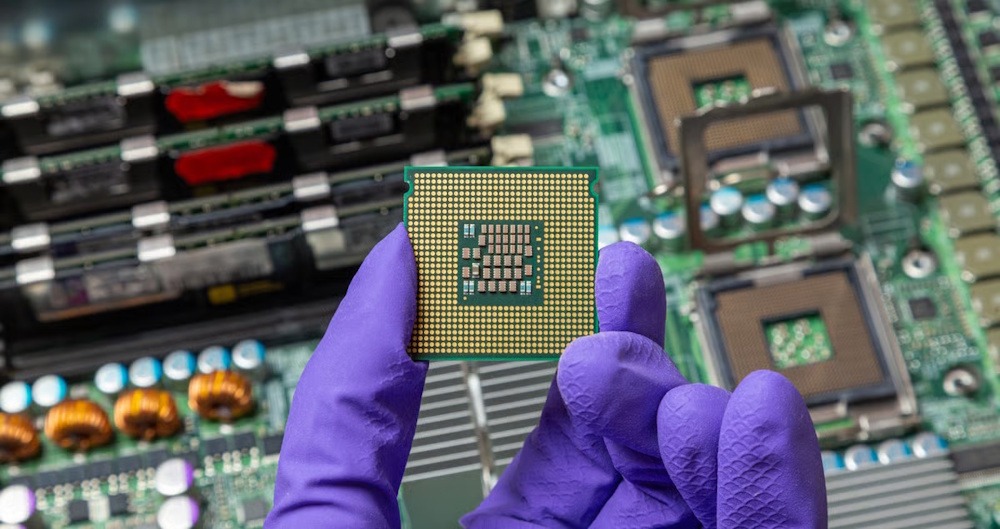
In South Korea and Taiwan, the global demand for artificial intelligence has catalysed an unprecedented economic surge. The two economies host a small cluster of companies that manufacture the essential chips indispensable for AI operations. As exports reach unprecedented levels and equity markets experience significant gains, the urgency to capitalise on these opportunities has intensified markedly. On social media, younger individuals are expressing scepticism about the value of their employment, suggesting that they could potentially earn equivalent or greater income through stock trading. Yet the windfall is concealing a considerably more sombre reality throughout a significant portion of the economy. Industries beyond semiconductor manufacturing are grappling with a challenging environment disrupted by fluctuations in energy prices and tariff changes. In both locations, the remarkable growth is driven by a concentrated, highly specialised sector that engages only a small fraction of the workforce. Others are left in a state of disarray, seeking a pathway forward.
As investors allocate capital to semiconductor equities, pursuing a stake in the artificial intelligence surge, they are exacerbating the market’s volatility. Korean stocks experienced a significant decline of 10 per cent on Tuesday, triggering a global sell-off in the technology sector. However, they rebounded with an increase of over 3 per cent the following day. Economists characterise the phenomenon as a “K-shaped” divide, where certain industries and socioeconomic groups prosper while others stagnate or regress. The enormous AI demand, Taiwan’s central bank cautioned in a statement this month, risks creating an economy in which “different groups or industries experience drastically different economic outcomes.” “The affluent prosper,” the bank stated. “The low-income group faces significant challenges.” Few locations exemplify this divide more distinctly than the territories of the global semiconductor leaders, where firms such as Samsung, SK Hynix, and Taiwan Semiconductor Manufacturing Company are achieving unprecedented profits, in stark contrast to the challenges faced by many others.
South Korea’s benchmark Kospi stands out as the top-performing major stock index globally since the beginning of the year. Samsung and SK Hynix have each surpassed a market valuation of $1 trillion. Samsung and SK Hynix are the leading producers of memory chips that facilitate the storage of information in AI systems. These systems necessitate substantial quantities of high-bandwidth memory, rendering the two conglomerates essential to the global AI expansion. “Because semiconductors now account for such an outsized share of Korea’s export value, the headline numbers look strong,” stated Sang-Ha Yoon. However, those figures mask an increasing divergence. Non-semiconductor exports, including petrochemicals, steel, batteries, and auto parts, are facing challenges due to subdued demand and fierce competition from China. As the advantages of the economic boom become more concentrated, a growing number of South Koreans are turning to the stock market to partake in the profits.
Last month, stockbrokers indicated that South Korean seniors were liquidating life insurance policies and retirement savings to invest in chip stocks. According to Young Gon Lee, nearly 83 per cent of net stock purchases by retail investors on the Kospi this year have been concentrated in Samsung or SK Hynix. “We are observing a shift of capital that had previously been allocated to safer assets into riskier assets, driven by the pursuit of higher expected returns,” Lee stated. The enthusiasm extends to Taiwan, which last month surpassed India to become the world’s fifth-largest equity market. TSMC, the producer of the globe’s most sophisticated AI chips, represents over 40 percent of the value of Taiwan’s benchmark index and boasts a market capitalisation nearing $2 trillion. Taiwan’s economic growth predominantly benefits the affluent, including TSMC shareholders, Wu stated. “But the salaries of ordinary people haven’t grown much.” Numerous firms have ceased operations, while others have placed day labourers on unpaid leave, thereby exacerbating the disparity between employees in conventional manufacturing and those enjoying stable employment in the technology sector.
Questions regarding the beneficiaries of the technology windfall have emerged as a focal point of political and labour tensions in South Korea. Last month, employees at Samsung issued a warning of a potential strike that could have significantly impacted both the national economy and the global technology supply chain, insisting that the company allocate 15 percent of its operating profit towards employee bonuses. Samsung agreed to 10.5 percent. Should Samsung achieve the approximately $200 billion in operating profit this year as projected by certain financial analysts, employees in its semiconductor division may be eligible for bonuses reaching up to $430,000, according to a spokesperson for the company. The average monthly wage in South Korea last year was approximately $2,800, as reported by government data. The dispute at Samsung may indicate the onset of a broader discussion regarding the distribution of benefits derived from AI advancements.