A 12-year peak was recorded in Japan’s corporate bankruptcies
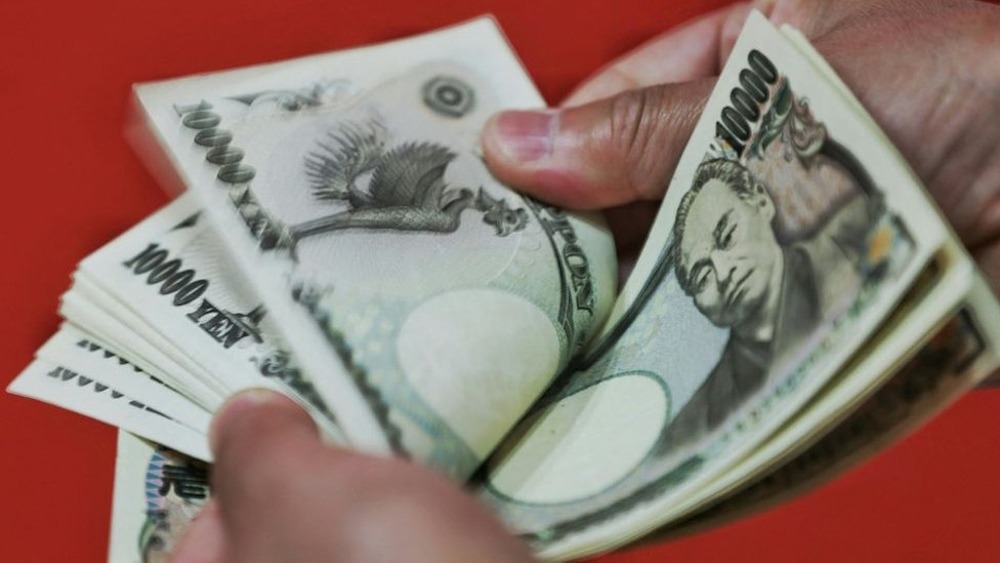
Japan experienced more than 5,300 corporate bankruptcies in the first half of 2026, marking the highest figure in 12 years, as escalating prices and labour shortages exerted mounting pressure on businesses. According to credit research firm Tokyo Shoko Research, the figure represents the highest first-half total since 2012 and extends the country’s streak of increasing corporate bankruptcies to five consecutive years. The trend highlights the increasing challenges faced by Japanese businesses as they contend with inflation, a depreciating yen, labour shortages, and escalating borrowing costs. Tokyo Shoko Research reported 5,346 corporate bankruptcies in the first half of 2026, with liabilities of at least 10 million yen (approximately $61,600), reflecting a 7.1 per cent increase from the previous year. The data indicate that the crisis is predominantly impacting smaller enterprises. Nearly 90 percent of bankrupt companies employed fewer than 10 workers, while around 80 percent had liabilities below 100 million yen. Most also had paid-in capital of less than 10 million yen, indicating that small and medium-sized enterprises are disproportionately affected. There has been a notable rise in significant corporate failures. In the first half of the year, there were 114 bankruptcies involving debts of 1 billion yen or more. This marks the first instance in six years where major bankruptcies have exceeded the 100 threshold during the January-June timeframe. The monthly trend indicates a deterioration in conditions. In June 2026, corporate bankruptcies totalled 1,021 cases, surpassing the 1,000 threshold for the first time in over two years.
The impact has been uneven, with labour-intensive and consumer-facing industries witnessing the most pronounced increase in failures. The services sector recorded 1,819 bankruptcies, marking the highest first-half figure in three decades and accounting for approximately one-third of all bankruptcies during this period. Construction companies encountered considerable strain, as evidenced by the bankruptcy of 1,026 firms, marking the first instance in 12 years that the sector has surpassed 1,000 bankruptcies. Smaller subcontractors, such as carpenters, painters, plumbers, scaffolders, and electrical contractors, faced significant challenges due to escalating material costs and ongoing labour shortages. The restaurant industry also faced significant pressure. Restaurant bankruptcies reached 509 cases, marking the highest level in three decades, while failures among izakaya, or traditional Japanese pubs, surpassed 100 cases for the first time in recorded history. Other consumer-oriented businesses, including food retailers, hotels, and personal services, experienced a significant rise in closures.
Why is the number of bankruptcies increasing?
Japanese companies are facing more challenging operating conditions as a result of a confluence of economic variables.
- Japan’s reliance on imports for food, fuel, and industrial raw materials is exacerbated by a weak yen and increasing input costs. The extended depreciation of the yen has rendered these imports considerably pricier, thereby increasing expenses for enterprises across various sectors. Geopolitical tensions in West Asia have escalated global energy prices, contributing to rising fuel and transportation expenses. Manufacturers increased prices on numerous food products throughout June and July 2026, attributing this rise to elevated costs associated with ingredients, packaging, logistics, and energy.
- Inflation and diminished consumer demand – Despite an increase in wages in Japan, household expenditure has continued to be lacklustre. Real household spending has experienced a decline for six consecutive months leading up to May 2026, indicating that increased incomes have not yet resulted in a corresponding boost in consumer demand. As households reduce discretionary expenditures on dining out, travel, and other non-essential items, numerous small enterprises have encountered diminished sales performance. According to an NDTV Profit report, nearly three-fourths of all bankruptcies in both 2025 and the first half of 2026 were attributed to poor sales, underscoring the persistent weakness in domestic demand.
- Labour shortages in Japan have been exacerbated by an ageing population and a declining workforce, compelling companies to increase wages in order to attract and retain employees. While larger corporations have generally been able to absorb higher payroll costs, many small and medium-sized enterprises have encountered significant challenges in doing so. Tokyo Shoko Research identified that 439 bankruptcies were attributable to inflation-related pressures, whereas 237 cases were connected to labour shortages.
- High interest rates are imposing financial strain – Following years of near-zero interest rates, the Bank of Japan elevated its policy rate to 0.75 per cent last December, thereby raising borrowing costs for companies. Businesses exhibiting weak cash flows are currently encountering elevated interest expenses associated with servicing existing debt or refinancing loans, thereby complicating their ability to maintain solvency. The pressure on Japanese companies is unlikely to abate in the near future. Tokyo Shoko Research has indicated that bankruptcies may persist in their upward trajectory during the latter half of the year, as escalating interest rates contribute to heightened borrowing costs for enterprises.