Gold Prices Drop as U.S.-Iran Strikes Resurge

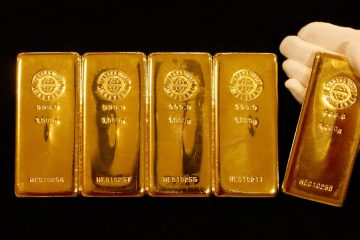
Gold prices declined on Monday, as renewed tensions in the Middle East raised concerns about inflation and bolstered expectations for sustained high interest rates, a development that may not favour non-yielding assets such as bullion. By 07:15, spot gold had decreased by 1.3% to $4,035.82 an ounce, while gold futures had dropped by 1.1% to $4,049.92 an ounce. The U.S. and Iran have reached an agreement to halt reciprocal strikes in the Strait of Hormuz, thereby enabling vessels to navigate the crucial waterway without obstruction, as reported. Citing a U.S. official, source reported that Iran has not yet confirmed such an agreement.
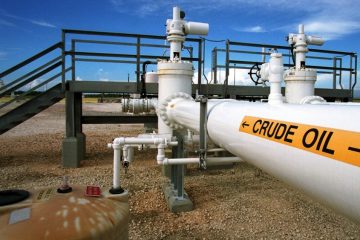
However, discussions are expected to persist regarding the specifics of implementing a memorandum of understanding between Washington and Tehran, according to the report. The U.S. has extended an invitation to engage in discussions with Iran in Doha, the capital of Qatar. According to source, while the specifics of the summit remain to be determined, it is possible that the meeting could occur as soon as Tuesday. Oil prices stabilised at approximately pre-war levels; however, an increase following the recent hostilities has sustained concerns regarding a potential wave of inflation driven by energy costs.
Predictions indicate that central banks, including the Federal Reserve, are likely to increase interest rates before the year’s conclusion in an effort to manage inflationary pressures. “[T]here’s still plenty of risk facing the oil market. Even so, participants appear to be shrugging off these developments, instead focusing on what a continued recovery in oil flows would mean for the global balance,” analysts said in a note. “This complacency is odd and clearly leaves significant upside risk if the supply recovery proves slow[.]”
Simultaneously, gold experienced downward pressure due to the strength of the U.S. dollar, which tends to increase the cost of the yellow metal for international purchasers. The greenback has been regarded as a relatively safe haven during the Iran war, supported in part by the perception that the U.S. economy, as a significant energy exporter, might be somewhat shielded from a recent increase in oil prices. Upcoming data could offer a new perspective on the condition of the American economy. The monthly U.S. employment report is scheduled for release this week, accompanied by data reflecting consumer confidence, job openings, and private payrolls.