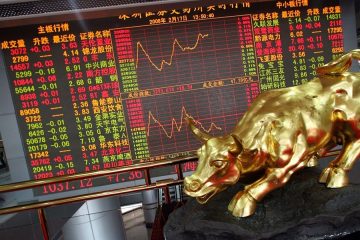
Nasdaq Plummets 4.2% Amid Rate Hike Worries

Shares experienced a significant decline on Friday following a robust jobs report that intensified speculation regarding a potential rate hike by the US Federal Reserve. Additionally, investors adopted a defensive stance ahead of the weekend, remaining cautious amid escalating tensions in the Middle East. Iran has reiterated its backing for the Hezbollah militia while calling for Israel’s withdrawal from southern Lebanon, adding complexity to the ongoing efforts to resolve the wider conflict involving the US and Iran. Israel has announced that it will not be withdrawing troops from Lebanon. On Wall Street, all three indexes closed in the red, driven by a selloff in technology stocks, notably AI chipmaker Nvidia. Shares in Broadcom experienced a decline of nearly 8 percent, extending the downward trend following the semiconductor company’s disappointing results reported on Wednesday.
The Dow Jones Industrial Average experienced a decline of 1.4 percent, while the S&P 500 saw a loss of 2.64 percent, and the Nasdaq Composite fell by 4.2 percent. Data revealed that US employers added significantly more jobs than anticipated in May, strengthening speculation that the Fed might increase rates later this year. US Treasury yields experienced a significant increase after the report, with the yield on the 2-year note, which generally aligns with Fed rate expectations, reaching a 15-month peak. It was last at 4.147 percent. “We’re talking about a strong economy,” said Gary Schlossberg. “That just heightens the inflation risk stemming from the Gulf. It complicates the Fed’s considerations regarding rate cuts and could potentially heighten the likelihood – though we are not predicting this at the moment – of a rate hike by the Fed before the year’s end in light of inflation.” The pan-European STOXX 600 index saw a decline of 0.29 per cent. MSCI’s gauge of stocks across the globe experienced a decline of 2.27 percent.
“There are some near-term pressures on the short end of the curve and it’s largely because of the geopolitical impact on the price of oil and headline inflation, but looking through that, we also understand that these pressures tend to be temporary and calm back down,” said Talley Leger. Oil prices experienced a decline after Oman confirmed that operations at Mina al Fahal port were continuing as usual. This came in response to a report indicating that oil loadings had been halted due to an explosion. Brent crude futures experienced a decline of 2 percent, settling at $93.09 a barrel, while US crude saw a dip of 2.69 percent to $90.54 per barrel. Despite these drops, both contracts are on track to record their first weekly gains in three weeks. In the currency market, the yen has stabilised near the 160 per dollar mark, currently down 0.11 percent at 160.19. Japanese officials have intensified their warnings regarding the struggling currency, prompting traders to remain vigilant for potential intervention from Tokyo.
Data released on Friday indicated that Japan’s foreign reserves experienced a decline of $77 billion in May. The euro experienced a decline of 0.73 percent, trading at $1.1524. Sterling weakened 0.63 percent to $1.3336. The dollar index was poised to increase by 0.62 percent, bolstered by the ongoing conflict in the Middle East. Cryptocurrencies continued their downward trend, with bitcoin dropping 3.88 percent to $61,156.75, on track for a weekly decline of nearly 18 percent, marking its largest drop since the FTX collapse in November 2022. Meanwhile, ether fell 9.85 percent to $1,598.01. Spot gold experienced a decline of 3.38 percent, settling at $4,322.85 per ounce.