US firms stay wary of investing in China, even with rising profits
US firms continue to exhibit hesitance in increasing their investments in China, even in light of enhanced profitability, as highlighted by a recent survey. This reluctance reflects ongoing concerns stemming from the trade tensions between the two nations. Only 49 percent of the companies surveyed by the US-China Business Council indicated plans to invest in the Asian country this year, reflecting a one percentage point increase from the record low observed last year. Approximately 92 percent of respondents indicated that they achieved profitability in the previous year, representing an increase of 10 percentage points from 2025. Enhanced profitability has resulted in a more favourable outlook, with more than half of respondents expressing optimism or a degree of optimism regarding the next five years, marking the highest level since 2021.
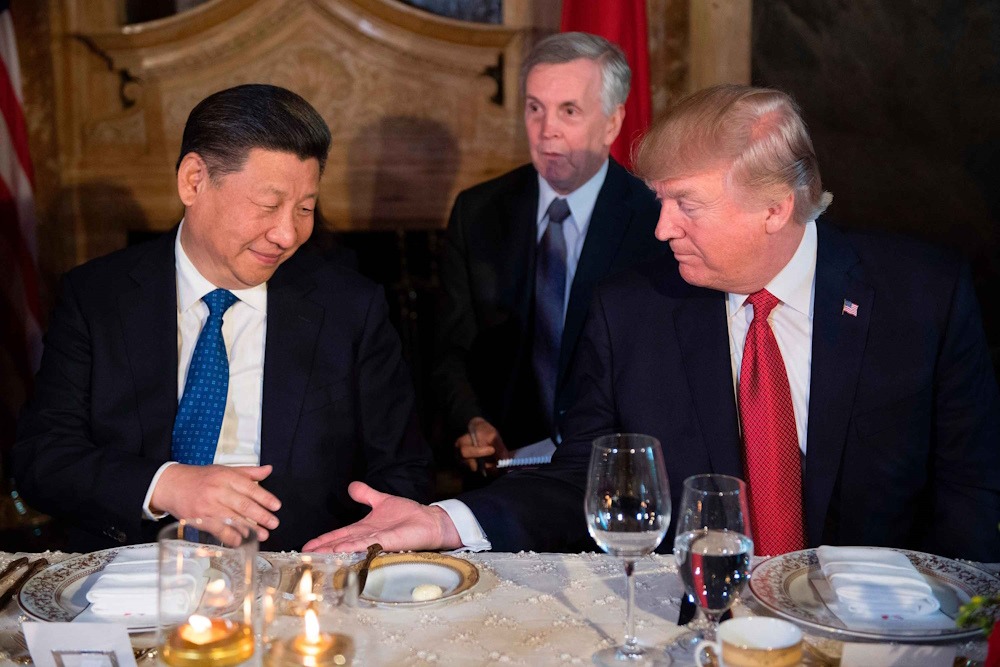
The survey of 175 respondents was conducted in February and March, prior to a summit between President Donald Trump and Chinese leader Xi Jinping in May that maintained a trade truce. The survey results indicate a significant increase in concern within the business community amid a trade dispute between the two economic superpowers, which was temporarily halted in the autumn of 2025. During the summit in Beijing, the US and China reached an agreement to establish boards of trade and investment, with Trump extending an invitation to Xi for a visit to the White House in September. While details remain to be finalised, the entities have the potential to enhance economic connections.
The US-China Business Council survey revealed that 95 per cent of respondents indicated that China plays a crucial role in maintaining global competitiveness. Firms indicated that they acquire insights into prospective competitors and can finance global expansion through profits generated within the country. Approximately one-third of the 38 individuals surveyed indicated a transition towards non-Chinese suppliers for rare earth elements. Trump was compelled to retreat in his trade conflict following China’s cessation of rare earth exports, and the supply levels continue to be reduced.
“I think the goal is to have some actual deliverables from the Board of Trade by the time President Xi visits in September,” stated US-China Business Council President Sean Stein. “At a minimum we’d expect to see what goes in each shopping basket of the $30 billion of tariffs that each side wants to cut, but more importantly reducing market access barriers and leveling the playing field.”