Oil prices push US benchmark yield to 2002 high
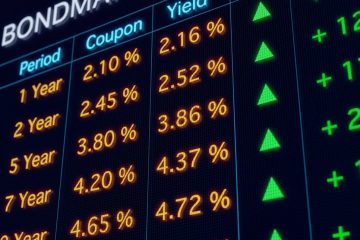
US Treasuries experienced a recovery following the global bond selloff that swept through European markets on Thursday, leading to a decline in 10-year yields from a 24-year peak. The bounceback gained momentum following a manufacturing report that was softer than anticipated, indicating a degree of cooling in certain sectors of the US economy. This development prompted traders to reassess their expectations regarding the extent to which the Federal Reserve will increase interest rates in the coming months. However, analysts highlighted additional factors, such as the unwinding of crowded positions and concerns regarding mounting pressures in credit markets and certain regions of Europe, which prompted a shift toward the safety of US Treasuries. That shift prompted yet another volatile reversal in the Treasury market, where 10-year yields had climbed to their highest level since 2002 earlier in the session. However, by midday in New York, the market experienced a significant reversal, with the two-year yield decreasing by 11 basis points to 4.78%.
The 10-year yield decreased by approximately 5 basis points on the day, settling at 5.24% after previously reaching a peak of 5.34%. “Today is very much not about US fundamentals and US data,” said Izaac Brook. “Everybody is looking at overseas yields and saying, ‘You need to move into safety, buy Treasuries.'” The moves marked a respite from the downturn that has been racing through markets for weeks as the oil-price shock of the US-Iran war ripples through the global economy, pushing investors to bet central banks will further raise interest rates. Significant government borrowing, robust growth, and investments in artificial intelligence that are inundating the market with additional debt have played a role in the economic downturn. Additionally, the ongoing increase in yields has been elevating government interest expenses, resulting in losses for investors and posing a potential new challenge to global growth by affecting the costs associated with business and consumer loans. In Washington, the Trump administration has attempted to mitigate the selloff by increasing its buybacks of longer-dated bonds, yet rates have persisted in their upward trajectory.
Global government bonds have recorded their most significant quarterly decline since 2024, as indicated by an index. The decline on Thursday resulted in the yield on UK 30-year bonds reaching 6% for the first time since 1998. Some analysts and investors suggest that US long-dated bonds may also attain that level. The US rebound strengthened as the Institute for Supply Management reported a 0.1 point drop in manufacturing activity to 54.5, falling short of economists’ median estimate in a survey. As yields hit new session lows, dollar swap spreads plummeted quickly, indicating a rapid unwinding of crowded positions established in recent weeks. That likely bolstered Treasuries, fuelled by flight-to-quality effects from the ongoing selloff in French and Italian sovereign debt, which continues to lag behind bunds and Treasuries.
“Treasuries might look cheap against stocks, GDP and the global cycle, but on their own historical terms they have more to fall before they become oversold and ready for a durable bounce.” Investors will look to Friday’s payroll numbers for insights into the US economy and the Federal Reserve’s next moves. Analysts predict a growth of about 88,000 jobs in September, nearly half of last month’s increase. Bond traders believe the Fed will keep raising rates to tackle inflation, which has remained above the 2% target since 2021. Swaps indicate three more quarter-point rate hikes by next September.