Trump Unveils $200 Billion South Korea Investment Package
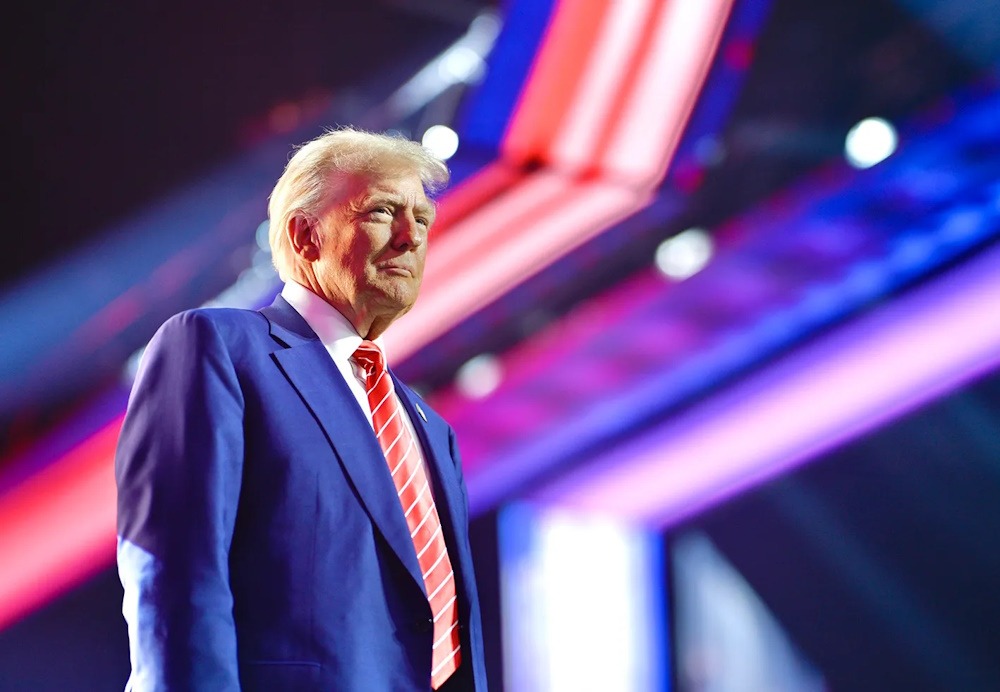
US President Donald Trump unveiled plans on Wednesday for South Korea to invest approximately $200 billion in US projects; however, Seoul promptly indicated that one crucial component, a $54 billion pipeline for an LNG project in Alaska, was not yet finalised. The announcement from the White House represented the initial tranche of significant projects within a larger $350 billion strategic investment initiative that South Korea committed to as part of a trade agreement with Washington last year. The package included $150 billion for shipbuilding and $200 billion for strategic investments. “Thanks to the agreements my administration has secured with the Republic of Korea, they will invest up to $200 billion,” Trump said from the Oval Office. He stated that the investment would encompass the development of eight large-scale nuclear power plants, a natural gas pipeline, and a 6-gigawatt power generation facility in Texas. The announcement is the latest in a series of economic and investment deals that Trump is emphasising in the lead-up to November’s midterm elections. This strategy aims to bolster his economic record in light of voter apprehensions regarding the Iran war and elevated petrol prices.
The pipeline project may hold political implications in Alaska, where Republican Senator Dan Sullivan is contending with a competitive reelection challenge from Democrat Mary Peltola. Sullivan was present at the announcement on Wednesday. The government of South Korea stated that the pipeline project will proceed only if specific commercial and legal conditions are satisfied. Seoul has corroborated additional aspects of Trump’s declaration, indicating an investment of $22.3 billion in a Texas gas power initiative aimed at supplying energy to AI data centers, alongside a commitment of $120 billion for the construction of eight nuclear reactors. South Korea will initiate a review of the Alaska LNG project to evaluate its commercial viability and adherence to legal protocols, as stated by the industry ministry in Seoul. “No decision has been made on whether to invest or on the size of the investment,” it said. South Korean President Lee Jae Myung stated in a post on X that the commercial viability of both the LNG project and the nuclear reactors must be confirmed prior to their advancement.
Analysts in Seoul indicated that any discrepancies between Seoul and Washington regarding the specifics of the deal could result in disputes between the allies concerning its implementation. The Alaska LNG project, should it proceed, encompasses an 807-mile pipeline transporting natural gas from the North Slope to a liquefaction facility located on Alaska’s southern coast, thereby facilitating the shipment of fuel to Asian markets. The project is structured to facilitate the transportation of approximately 3.9 billion cubic feet of natural gas daily and to yield up to 20 million metric tonnes of LNG each year, as stated by the White House. Trump has consistently advocated for the project as a means to enhance US energy exports and fortify relationships with allies such as South Korea and Japan. However, the project has encountered several years of ambiguity regarding its expenses, funding, and market feasibility. South Korea’s industry ministry announced last week that a gas-fired power plant in Encinal, Texas, with a capacity exceeding 6 gigawatts, has been designated as the inaugural project under the $200 billion strategic investment program. Japan’s two largest LNG importers, JERA and Tokyo Gas, have entered into preliminary agreements to procure a total of 2 million metric tonnes annually from Alaska LNG, contingent upon its construction.
Glenfarne, the developer of the project, expressed approval regarding the announcement of Trump’s investment. It has secured commitments for 13 million tonnes annually; however, an additional 3 million tonnes is required to facilitate a final investment decision and render those commitments binding. “Glenfarne will work with the US and Korean governments to finalize the investment structure and complete the remaining steps required to reach FID,” it said in a statement. The eight nuclear plants would constitute a component of Trump’s initiative to enhance US nuclear generation in response to increasing electricity demand, particularly from data centers and manufacturing sectors. South Korea has been engaged in discussions regarding a potential investment in nuclear projects in the United States as part of a more comprehensive package. The Texas gas-fired power project is anticipated to provide electricity to energy-intensive facilities, such as semiconductor plants and data centers. Officials in South Korea have indicated that the project was chosen following assessments of its commercial viability.