Paramount-Warner Merger Gets Court Approval After Antitrust Fight
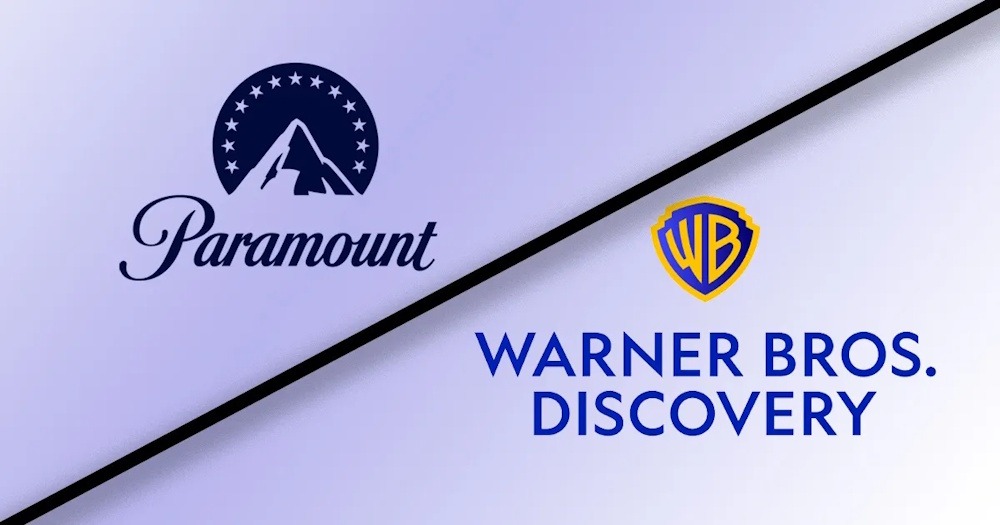
A federal judge has granted Paramount’s settlement agreement with 12 states that initiated lawsuits regarding the company’s acquisition of Warner Bros. Discovery is poised to facilitate the imminent closure of their $81 billion mega merger. On Wednesday, US District Judge Araceli Martinez-Olguin determined that the proposed consent decree represented a “fair, reasonable, and good faith approach to address the competitive harms” claimed in the states’ lawsuit. Paramount previously referred to the antitrust challenge as the final obstacle to completing its merger with Warner, indicating its intention to finalise the acquisition as soon as October. Shortly after the ruling by Martinez-Olguin on Wednesday afternoon, the company announced that Ynon Kreiz will join Paramount on October 5 and serve as co-CEO alongside David Ellison of the combined company.
A merger between Paramount and Warner will unite two of the remaining five legacy studios in Hollywood. HBO Max, which boasts a diverse library of titles including “Harry Potter,” will be joined under the same umbrella as CBS, alongside popular franchises like “Top Gun” and the Paramount+ streaming service, as well as cable networks such as CNN. Top prosecutors from 12 states, spearheaded by California Attorney General Rob Bonta, initiated a lawsuit in July with the primary objective of preventing the merger entirely. They claimed that a Paramount-Warner merger would “extinguish competition” and result in fewer options for consumers, especially for moviegoers and cable subscribers. Last week, the states reached an agreement to resolve these claims through new commitments from Paramount. These commitments include pledges to enhance film production in the US over the next five years, allocate millions of dollars to a fund designed to support workers affected by the merger, and implement new editorial oversight of CNN and CBS.
When announcing the deal on September 21, Bonta said the settlement was about “protecting people’s careers, the lives they’ve built here in California, the livelihoods their families rely on,” while maintaining it was not a vote of support for the merger. Many critics of the tie-up, however, swiftly condemned the deal as yielding to corporate pressure and argued that the proposed terms were insufficiently robust. Martinez-Olguin did not immediately approve the terms, asserting during a hearing on Thursday that the court is not simply a “rubber stamp” for settlements of this nature and that she, along with others, still had questions. The judge permitted external critics of the settlement, which includes participants from the Block The Merger coalition and the League of United Latin American Citizens, a limited opportunity to express their dissent to the court via amicus briefs. She also directed Paramount and the settling states to address a correspondence from Democratic Sen. Cory Booker, who urged for a more comprehensive examination of the agreement.
By Wednesday’s order, however, she concluded that the hopes for settlement terms to go further “do not rise to the level of legal violations upon which the Court can reject the parties’ negotiated resolution.” The Block the Merger coalition on Wednesday maintained the settlement was a “toothless” deal. “Allowing the Paramount Skydance-Warner Bros. Discovery merger to move forward with no meaningful structural remedies will cost jobs, mute creativity, weaken independent journalism, and damage our First Amendment rights,” Block the Merger said in a statement. But, the coalition added, “if there is one discernible benefit to the approval of this corporate takeover, it’s that people are now wide awake and paying attention – and their anger is not going to fade away.” The Writers Guild of America, which had filed its own suit shortly after the states in July, also reached a settlement agreement with Paramount last week – concluding that it couldn’t continue its legal fight alone.