Bond Yields Soar as Oil Shock Sparks Inflation and Rate-Hike Worries
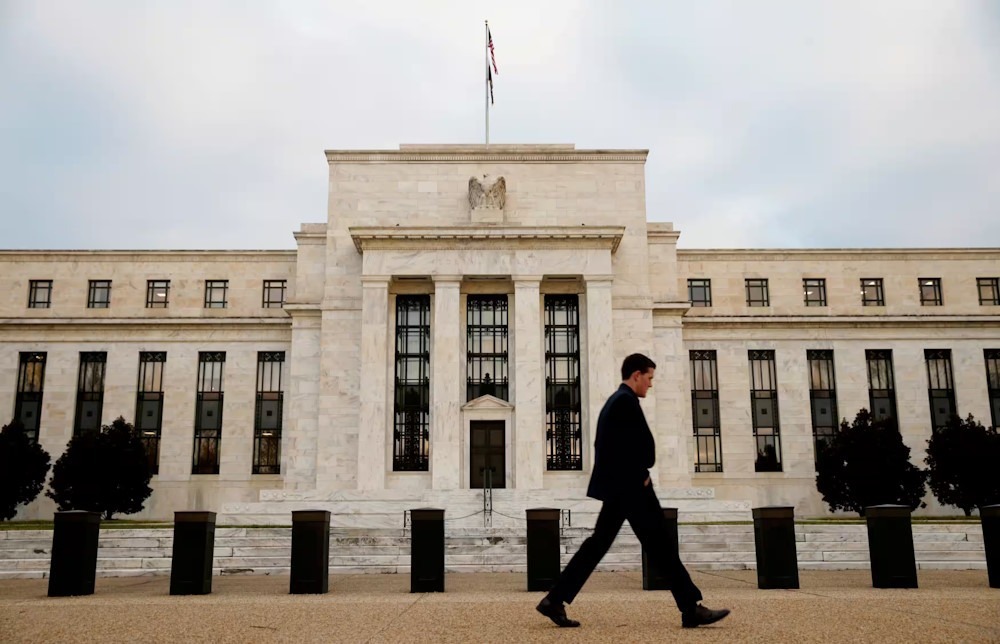
Global bond yields increased on Tuesday, reaching their highest levels in decades. This rise was driven by an escalation in the Middle East conflict, which led to higher oil prices and heightened concerns regarding potential interest rate hikes by the Federal Reserve and other central banks this month. In Japan, the yield on the 10-year government bond reached 3% for the first time since 1996. In the UK, the 30-year yield has attained its peak level since 1998. Germany’s 10-year yield reached its peak level since 2011. Yields increase as bond prices decline. Investors are selling off bonds, resulting in an increase in yields, as they evaluate the prospects for inflation and central bank interest rates. Oil prices surged at the beginning of the week, heightening concerns regarding inflation, as the United States and Iran engaged in hostilities for the first time in more than a month. Brent crude, the global oil benchmark, experienced an upward movement on Tuesday following reports from US officials indicating that military forces commenced strikes on targets associated with the Islamic Revolutionary Guard Corps in Iran at 12 pm.
Brent increased approximately 4.6% on Tuesday, concluding at $94.65 per barrel, marking its highest settlement level in more than a month. WTI, the US benchmark, experienced an increase of 5.2%, concluding at $90.22 per barrel. This marks its first settlement above the $90 threshold since July. Bonds faced mounting pressure in recent weeks as investors grappled with apprehensions regarding escalating government deficits. Currently, the renewed hostilities in the Middle East, coupled with a surge in oil prices, are contributing to unease in the bond market. Investors are concerned that a prolonged rise in oil prices may elevate overall inflation, complicating the ability of central banks to implement more accommodative monetary policies. The bond market sell-off highlights investors’ expectations of elevated rates from central banks.
As inflation risks rise, investors may seek higher returns for holding longer-term debt. “The longer the conflict abroad persists, the greater the risk [of] long-run inflation,” Tom Tzitzouris wrote in a note. The 10-year US Treasury yield, a critical indicator for mortgage rates and various consumer costs, reached 4.8% on Tuesday, marking its peak level thus far in President Donald Trump’s second term. The 30-year yield, which is particularly sensitive to geopolitical developments and concerns regarding government deficits, has reached 5.27%. The 30-year yield in August increased beyond 5.3%, reaching its peak since 2007. Bond yields play a crucial role in determining interest rates throughout the economy. A significant increase in yields can elevate the costs associated with mortgages, auto loans, and commercial loans, thereby increasing expenses for both businesses and consumers. Bond yields have climbed across different economies as investors weigh concerns about stubborn inflation and shifting bets on central bank rates while also grappling with longstanding concerns about mounting government deficits. A deluge of corporate bond supply to fund the AI buildout has also added pressure on the bond market.
The increase in yields this week follows Federal Reserve Chairman Kevin Warsh’s comments at the annual Jackson Hole Economic Policy Symposium on Friday, where he described inflation as “concerning.” That has led investors to divest from bonds as they reevaluate the likelihood of a rate increase at the US central bank’s forthcoming meeting on September 15-16. Yields are experiencing a significant increase as investors evaluate the growing government deficits. The US national debt surpassed a historic $40 trillion in August, highlighting concerns regarding the nation’s fiscal stability. Investors are seeking increased returns to offset the perceived risks associated with holding government debt. Concerns regarding government deficits represent a widespread issue across the globe. Governments in Japan, the United Kingdom, and France are grappling with their respective debt burdens, leading to a growing demand from investors for higher yields on bonds. The 10-year yield in France on Tuesday reached its peak since 2008, whereas the 10-year yield in Australia attained its highest level since 2011.
Finance ministers and central bank governors from G20 countries are convening in Asheville, North Carolina, this week against the backdrop of a global bond market sell-off. The intensifying bond market sell-off follows the Treasury Department’s recent announcement of an increase in the size of bond buybacks, aimed at mitigating the rise in yields. A rise in bond yields can also create challenges for the stock market. A steep rise in yields can alter calculations for stocks’ values. Increased yields on bonds may divert investors from riskier assets such as equities. The increase in bond yields caused turbulence in the stock market on Tuesday: The S&P 500 declined by 0.7%, whereas the Nasdaq Composite decreased by 1%. The S&P and Nasdaq are currently positioned 2.2% and 3.8% below their respective record highs. “If we continue to have this grind higher [in yields], I think stocks are going to feel it a little bit more,” Natalia Lojevsky told. “It’s definitely a headwind.”