SpaceX and other large IPOs may take years to enter S&P 500
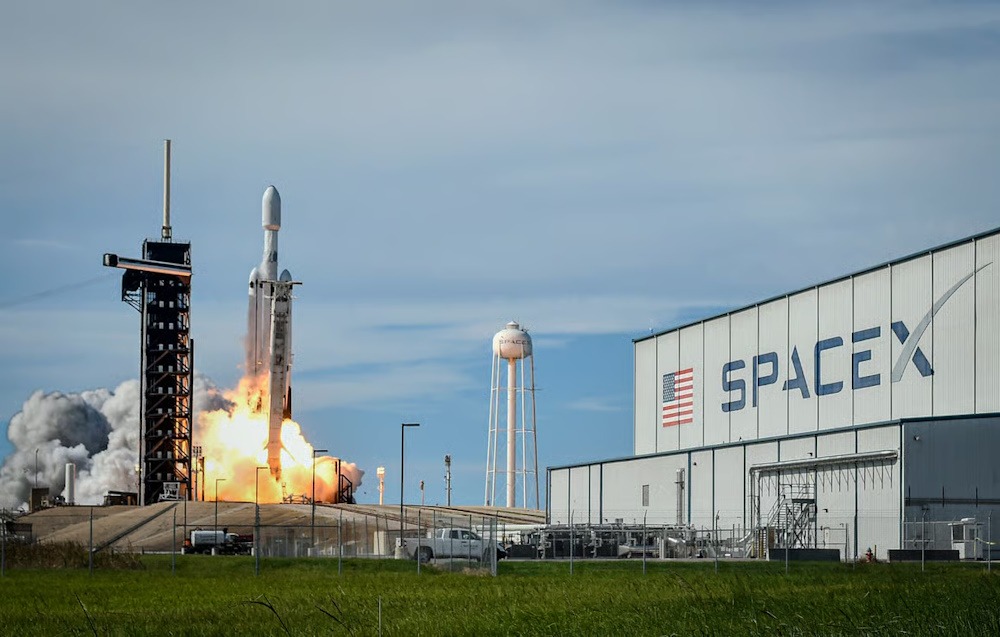
Mega-IPO candidates, such as SpaceX, are anticipated to encounter a challenging path to inclusion in the S&P 500 Index, following the rejection of a proposal by the governing body that sought to ease the profitability requirement. S&P Dow Jones Indices’ index committee has decided to maintain the rule requiring companies to generate positive net income for the past year, including the most recent quarter. This announcement was made on Thursday following a month-long consultation process. Analysts project that Elon Musk’s rocket, satellite, and artificial intelligence company will not achieve positive net income on an annual basis until 2027, according to a source familiar with the forecasts. That could indicate its entry is delayed until sometime in 2028 if the regulation stays in effect. “Eventually these mega-IPOs will be added to the S&P 500, unless their business models fail, so it is a question of timing,” said Jay Ritter. “Given the low floats and the huge amounts of money indexed to the S&P 500, I think it’s prudent that they’ll wait until the stocks have a more liquid market.”
The decision arrives as Space Exploration Technologies Corp., its official name, gears up to commence trading on June 12. It aims for a $1.8 trillion valuation, positioning itself to surpass all but six companies in the S&P 500 and exceeding the market cap of Musk’s own Tesla Inc. The company is poised to enter indexes such as the Nasdaq 100 by the end of this month. In a notable shift, Nasdaq Inc. has revised its regulations, permitting entry into the Nasdaq 100 in a mere 15 trading days, a significant reduction from the previous three-month minimum. This change sets Nasdaq apart from the S&P. FTSE Russell has taken a comparable route, reducing the waiting period to just five trading days. A representative for SpaceX has not yet provided a response to the request for comment. A representative from Evercore ISI chose not to provide any comments. According to source, Anthropic PBC and OpenAI are considering initial public offerings as early as this year. However, they may encounter challenges akin to those faced by SpaceX, even though there are expectations that both companies could be valued at over $1 trillion upon going public. The entry of AI model makers into the benchmark will hinge on the equilibrium between operations and spending.
Anthropic’s operating profit for the June quarter is projected to reach $559 million; however, the company does not anticipate maintaining profitability in subsequent quarters as it increases expenditures on computing resources and other expenses, according to reports. OpenAI is projected to remain unprofitable in the near future. “From a corporate strategy standpoint, it’s not irrational to choose to run at a loss,” Lawrence Creatura stated in an interview. Creatura highlighted major corporations such as Amazon.com Inc. and Uber Technologies Inc., noting that they did not become part of the benchmark until several years after their public offerings. “It will mean you won’t be in the S&P 500 for the moment,” Creatura stated. “But observe the status of those companies currently.” The S&P 500 aims to replicate the US domestic market, as stated by Howard Silverblatt. Maintaining the net income requirement is “the hardest one for the S&P to defend,” he stated, emphasising his belief that a GAAP requirement is advantageous for the index. “There are companies that are spending more on R&D than are making profits, even though they might have profitable lines,” he said in an interview, adding that SpaceX is one such company. Research teams anticipate that SpaceX’s capital expenditures will skyrocket to over $360 billion by 2030, a significant increase from the more than $20 billion recorded last year, according to source.
Goldman Sachs’ team has projected a positive free cash flow exceeding $72 billion for 2031, following a dip to negative $105 billion in 2029, according to a source familiar with the situation. Their swift addition to the benchmark would have resulted in approximately $14 billion in compelled passive purchases for SpaceX, over $8 billion for OpenAI, and nearly $9 billion for Anthropic, as per estimates. Maintaining the status quo has sparked mixed reactions among market observers, with some expressing concern while others welcomed the decision to keep the existing rules in place. For Michael Antonelli, market strategist at Baird, it will not alter the perception of the benchmark in the slightest. “Let’s be honest: It’s the world’s premier stock-market index. It’s the gold standard of stock-market indexes globally,” he stated. “They have rules about profitability and index inclusion and they’re just sticking by them,” Antonelli stated. “Just because it’s Elon Musk and SpaceX, I don’t think they’re inclined to alter something that’s hard coded into their product.”