IAEA Chief Forecasts Nuclear Power Surge as AI Energy Demand Grows
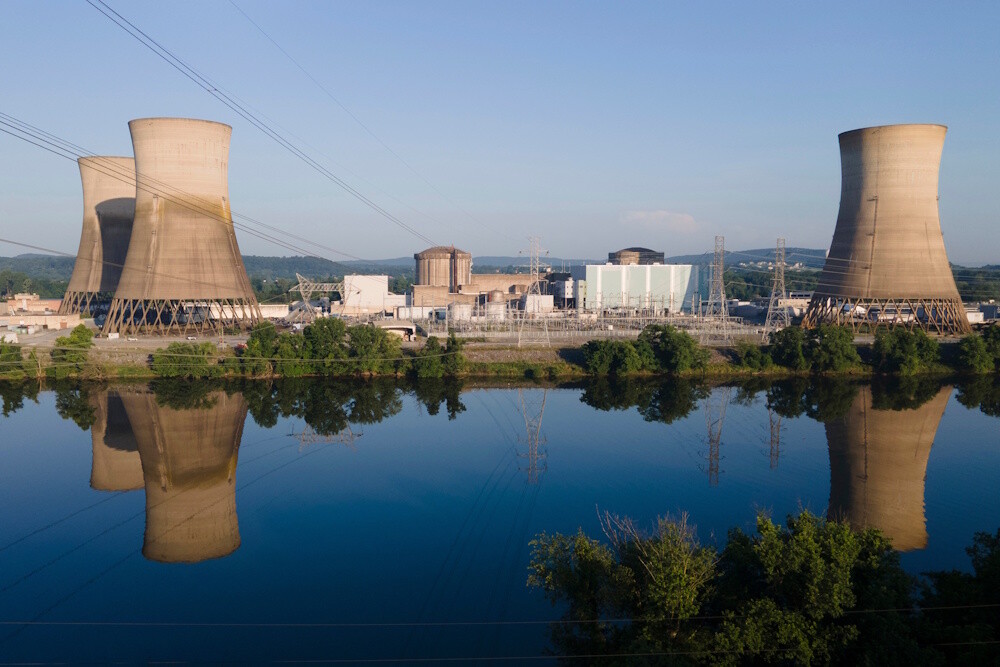
The head of the UN nuclear agency stated on Friday that he anticipates the utilisation of nuclear power could increase more than threefold by 2060. Rafael Grossi stated in the International Atomic Energy Agency’s annual report to the UN General Assembly that this will be driven by electrification, data centers powered by artificial intelligence and “technology companies’ appetite for reliable, carbon-free power”. Nuclear energy is increasingly recognised by a rising number of nations as essential for enhancing their energy security, he stated, emphasising that it is comparable to solar energy and “safer than every other option”. And “In 2025, more than 400 operating reactors in more than 30 countries produced 10 per cent of global electricity and a quarter of its low-carbon electricity,” the IAEA director-general said. “More than 60 new reactors are under construction and the projections for future nuclear capacity have shifted dramatically upward.”
In addition to the growing use of nuclear energy for peaceful purposes, Grossi spoke about the nuclear programmes in Iran and North Korea, the “unprecedented threats to nuclear safety” from the war in Ukraine, and worrying reports that other countries he did not name are talking about acquiring nuclear weapons. Regarding Iran, whose nuclear facilities were targeted by the US last year prior to the onset of hostilities with Israel on February 28, Grossi informed UN member states that the essential technical groundwork for a diplomatic resolution has been completed. “I call on the parties to redouble their efforts towards agreeing a diplomatic solution that includes the IAEA’s indispensable verification role, without which no agreement can be sustainable,” he said.
“IAEA inspectors must be able to return to Iran expeditiously. That requires a return to the negotiating table.” In North Korea, where leader Kim Jong Un has a growing nuclear programme without any IAEA oversight, Grossi warned that it “stands as a stark reminder of the consequences when red lines are crossed” in violation of UN Security Council resolutions banning nuclear weapons production. In Ukraine, he highlighted the Zaporizhzhia nuclear power plant, the largest in Europe, noting that it is “in a precarious position” due to frequent power losses, limited back-up diesel supplies “and military activity threatening the plant and the people who work there”.
On a positive note, Grossi stated that the IAEA has made “significant progress” in clarifying and resolving outstanding questions regarding Syria’s nuclear activities after nearly two decades of uncertainty. That is a consequence of interactions with the administration of interim President Ahmad al-Sharaa, he stated. In September, it was reported that the government from the Bashar Assad era, which was removed from power in December 2024 by opposition forces led by al-Sharaa, was in the process of constructing a nuclear reactor designed to generate fissile material potentially intended for nuclear weapons.