Trump: Xi Backs Iran’s Strait Opening, But China Remains Silent
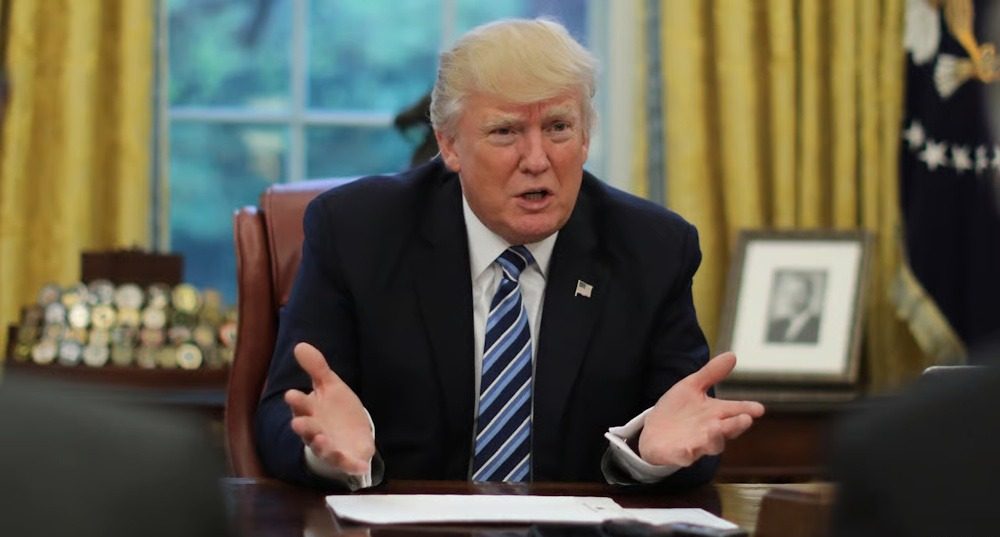
The President of the United States, Donald Trump, indicated that the President of China, Xi Jinping, had concurred on the necessity for Tehran to reopen the Strait of Hormuz; however, there was no indication from China that it would take a position on the matter. After two days of discussions with Xi in Beijing, Trump announced on Friday that he was contemplating the possibility of removing US sanctions on Chinese oil companies that are purchasing Iranian oil. China stands as the largest purchaser of Iranian oil. Trump remarked, “I’m not seeking any favors, as requesting favors entails reciprocating with favors,” in response to an inquiry on Air Force One regarding whether Xi had made a definitive commitment to exert pressure on the Iranians to reopen the strait. Xi refrained from addressing his conversations with Trump regarding Iran, while China’s foreign ministry condemned the war, labeling it a conflict “which should never have happened, has no reason to continue.” Iran has successfully closed the strait, which previously accounted for one-fifth of the global supply of oil and liquefied natural gas prior to the attacks initiated by the US and Israel on February 28. The interruption in shipping has led to an unprecedented oil supply crisis, resulting in a significant increase in oil prices.
Ebrahim Azizi announced on Saturday that Tehran has developed a mechanism to regulate traffic through the strait along a specified route, which will be revealed shortly. Azizi indicated that benefits would be confined to commercial vessels and entities collaborating with Iran, with fees imposed for specialized services rendered through the mechanism. Numerous fatalities among the Iranian population resulted from airstrikes conducted by the United States and Israel. In Lebanon, the ongoing conflict between Israel and the Iran-backed group Hezbollah has resulted in thousands of fatalities. However, a recent agreement between Israel and Lebanon has led to a 45-day extension of the ceasefire, which has contributed to a reduction in hostilities in the region. The United States suspended its offensive operations last month while initiating a blockade of ports. As of Saturday, the US military reported that 78 commercial vessels had been rerouted, while four were rendered inoperative to maintain adherence to the blockade. Tehran, having conducted strikes against Israel, US bases, and Gulf states following the onset of the conflict, has stated that it will not lift the blockade of the strait until the United States ceases its own blockade. Trump has indicated a willingness to renew hostilities should Iran fail to reach an agreement.
Trump expressed a desire to prevent them from acquiring a nuclear weapon and emphasized the importance of keeping the straits open during his remarks in Beijing, alongside Xi. Iran has consistently asserted that it does not aim to develop a nuclear weapon, yet it continues to pursue nuclear research and has not disclosed its concealed reserves of enriched uranium. Iranian Foreign Minister Abbas Araqchi indicated that Tehran had received communications from the US suggesting a willingness to persist with discussions. Pakistan has been facilitating discussions between Washington and Tehran. It was reported that Interior Minister Eskandar Momeni engaged in “detailed” discussions with his visiting Pakistani counterpart regarding Iran-Pakistan relations and the potential for resuming peace talks, though specifics were not provided. In a recent interview Trump expressed his diminishing patience with Iran, suggesting that Tehran ought to reach an agreement. Despite the ongoing crisis causing significant global economic repercussions, Iran is poised to resume operations of its stock market on Tuesday following a suspension that began with the onset of US-Israeli airstrikes, as reported. The halt in market operations at the onset of the conflict was intended to safeguard the assets of investors, mitigate trading driven by panic, and facilitate clearer pricing conditions,” stated Hamid Yari.
Discussions aimed at concluding the conflict have been suspended since the previous week, following the mutual rejection of each other’s latest proposals by Iran and the United States. Araqchi stated on Friday that Iran would appreciate contributions from China, noting that Tehran is attempting to allow diplomacy to unfold, yet remains skeptical of the US, which has hindered earlier discussions through military actions. The military actions undertaken by the US and Israel against Iran were articulated with the intention of undermining the current regime, thereby facilitating the potential for a change in governance by the Iranian populace. Evidence of structured opposition in Iran during the conflict remains minimal, with human rights organizations reporting a significant governmental response against dissenters. On Saturday, Iran’s judiciary announced that 39 individuals had been executed for alleged collaboration with Israeli or US intelligence agencies, as well as for involvement in acts deemed as “terror” or armed unrest, according to a report. It was reported that 36 individuals categorized as “medium-level” dissidents have been sentenced to lengthy prison terms.