Warsh Highlights Inflation as Key Focus of Fed Policy at Jackson Hole
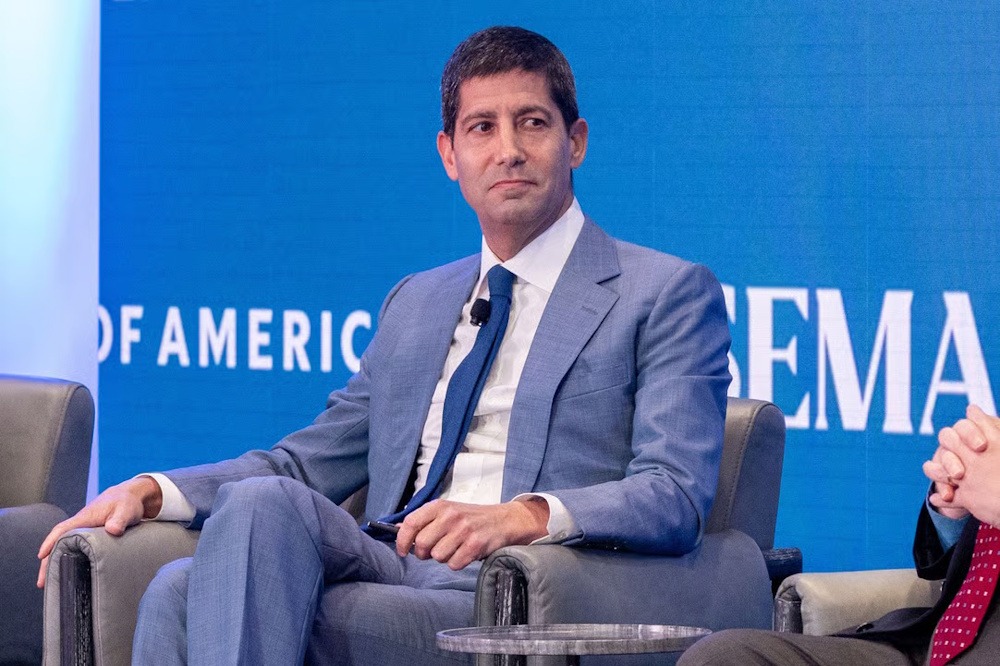
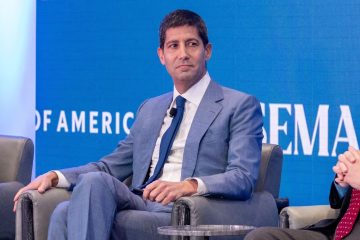
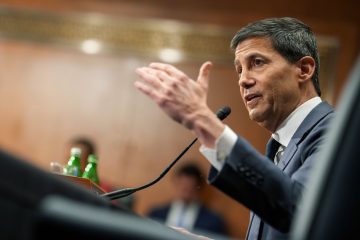
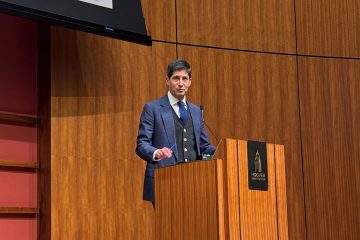
The annual economic symposium hosted by the Federal Reserve Bank of Kansas City in Jackson Hole, Wyoming, which showcased Kevin Warsh’s inaugural address as chairman, is concluding on Saturday. Warsh utilised a keynote address to emphasise that controlling inflation remains the foremost objective of the central bank. While certain segments of the speech reinforced his commitment to refraining from providing guidance to financial markets regarding the trajectory of interest rates, Warsh ultimately offered some perspective on his economic outlook. That alleviated some frustration among investors and heightened the anticipation surrounding the Fed’s upcoming policy meeting. The new message immediately triggered a surge in expectations for a near-term rate increase. Following his comments, focus shifted to the upcoming consumer inflation data set to be released on Sept. 11, just days ahead of the policymakers’ meeting in Washington on Sept. 15-16. While Warsh didn’t signal explicitly his support for a hike, he cautioned that inflation isn’t meaningfully slowing and that policymakers must possess confidence in its trajectory. Otherwise, he stated, they had “work to do.”
Financial conditions, he added, were not constraining the economy, and he characterised interest rates as the Fed’s “predominant tool” for fulfilling its mandate. “Here is my standard: We must be confident that underlying inflation is moving to our objective, clearly and at sufficient speed. Otherwise, we have work to do. That’s our job,” he said. Warsh also dispelled concerns regarding any intention to modify the Fed’s inflation target. He stated that 2%, as measured by the personal consumption expenditures price index, is a “firm, fixed target.” Policymakers from the euro area who addressed the conference’s sidelines issued a caution regarding inflation. European Central Bank Governing Council member Primoz Dolenc indicated that the robustness of the region’s economy, coupled with the ongoing conflict in the Middle East, implies a necessity for an interest rate increase in September. That is broadly anticipated by investors. “With the new data coming in, we see that the inflation situation doesn’t resolve itself,” Dolenc said, who is also the head of the Slovenian central bank. Martin Kocher, governor of the Austrian central bank and another ECB rate-setter, also emphasised that there is “more momentum” in the economy. On inflation, which analysts estimate reached 3.3% in August, he stated, “there’s alertness, there is no complacency.”
Bank of England Governor Andrew Bailey conveyed a somewhat distinct perspective, indicating that there is no immediate necessity to raise interest rates. “We’re seeing quite subdued second-round effects. I think we’ve seen a softening labor market for some time now,” Bailey told Bloomberg TV. “I’ve taken the view that I think we can watch this situation for the moment.” These remarks by Bailey mark his initial public commentary on monetary policy since July 30, when he aligned with the majority in a 6-3 decision to maintain interest rates at their current level. Several notable figures were missing from this year’s assembly. European Central Bank President Christine Lagarde and Bank of Japan Governor Kazuo Ueda did not attend the Jackson Hole meeting. Each is set to participate in a gathering of G-20 finance ministers and central bank governors on Monday and Tuesday in Asheville, North Carolina. The sole Federal Reserve policymaker absent was the former chair, Jerome Powell. He defied convention to retain his position on the Board of Governors following the conclusion of his chairmanship in May; however, he has since, as promised, stayed away from public attention. While the chair’s speech and the sideline chatter about economic and political events frequently dominate news from the symposium, Jackson Hole serves as a significant platform for high-level discourse on economic research.
Papers presented this year focused on the theme of financial innovation and its implications for payments and monetary policy. The papers highlighted the difficulties central banks face in adapting to the challenges posed by technological advancements. In their discussions, economists and policymakers engaged in a thorough examination of the regulatory challenges posed by a world in which tokenisation is fundamentally transforming the methods by which financial assets are held and transferred. On the eve of the Jackson Hole conference, attendees were reminded that President Donald Trump’s criticisms of the central bank have not completely abated since his appointee, Warsh, assumed leadership of the Fed. The White House has recently intensified its attempts to dismiss Fed Governor Lisa Cook amid allegations of mortgage fraud. On Wednesday, Cook’s attorney issued a letter characterising the allegations as “unfounded and untrue.” The White House has yet to provide a response to Cook’s letter. Trump narrowly lost his initial attempt to remove Cook at the Supreme Court, in part due to procedural issues.