UN research predicts near-record global temperatures in 5 years
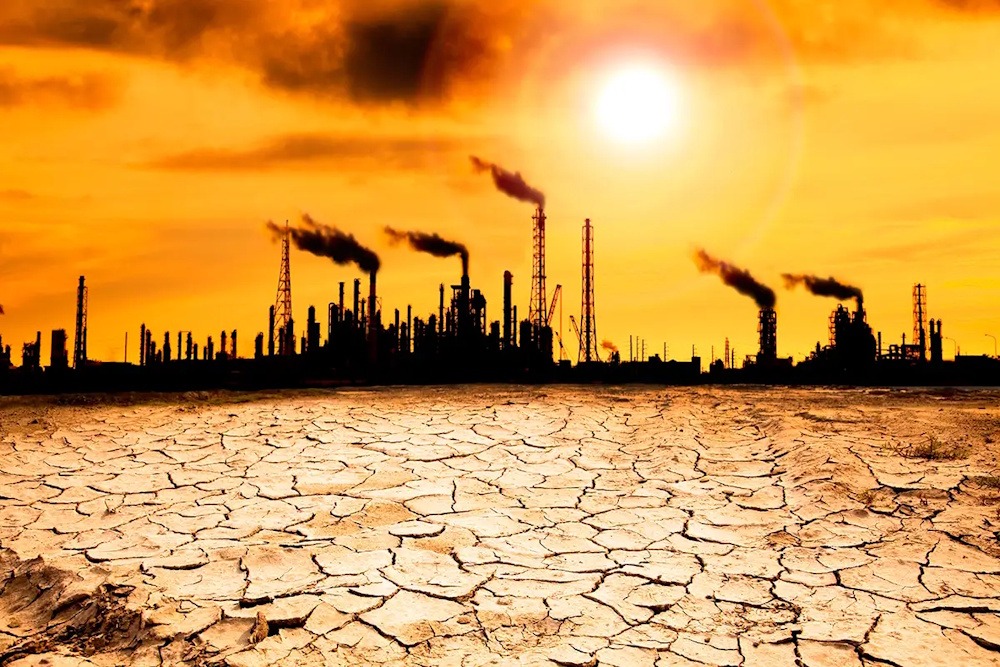
Average global temperatures are projected to approach record levels within the next five years, with Arctic temperatures anticipated to increase at a rate surpassing that of other regions, according to a report. The annual report provides regional forecasts for temperatures and precipitation, indicating that the annual global mean near-surface temperatures are expected to fall between 1.3 degrees Celsius and 1.9 degrees Celsius above the pre-industrial period of 1850-1900. “There’s very clear evidence that the climate is warming and that the global average temperature is continuing to rise,” Melissa Seabrook told. In the 2015 Paris Agreement, governments committed to efforts aimed at limiting the average global temperature increase to no more than 1.5 degrees Celsius above pre-industrial levels, a threshold beyond which the severity of climate events has been observed to escalate.
The report indicated a high probability that the global mean near-surface temperature will temporarily surpass 1.5 degrees Celsius above the average levels recorded between 1850 and 1900 for at least one year during the period from 2026 to 2030. It also forecasts that there will be a year between 2026 and 2030 during which average global temperatures will surpass the highest recorded year, 2024, marking the first instance of exceeding 1.5 degrees Celsius above pre-industrial levels. Temporarily exceeding the 1.5 degrees Celsius threshold does not signify a failure of the Paris Agreement, as it pertains to a long-term average over a 20-year period rather than a singular annual exceedance, Seabrook stated, while emphasising that as the global temperature approaches this threshold, the likelihood of surpassing it more frequently increases.
“The science is unequivocal that the opportunity to maintain the global average temperature at 1.5 degrees is diminishing swiftly,” Seabrook remarked. Arctic winter temperatures in the northern hemisphere are anticipated to increase at a rate exceeding 3.5 times the global average over the next five years, ultimately reaching approximately 2.8 degrees Celsius above the 1991–2020 baseline, as indicated by the report. Arctic sea-ice is projected to experience melting in March over the next five years in the Barents Sea, Bering Sea, and Sea of Okhotsk. Arctic warming has the potential to disrupt weather systems and lead to an increase in severe weather events, particularly in the northern regions of the globe, as noted by Seabrook.
Wetter weather in the northern hemisphere over the next five winters is also predicted, as well as wet periods in northern Europe, Alaska, Siberia, and the Sahel during May-September, while contrastingly dry weather is forecast for this season in the Amazon. A robust El Nino is anticipated for this winter, with projections suggesting it may extend into 2027. This phenomenon is expected to elevate global temperatures to potentially unprecedented levels, attributed to the warming of the Pacific Ocean, according to Seabrook. El Nino represents a cyclical increase in sea surface temperatures observed in the central and eastern Pacific Ocean, generally persisting for a duration of nine to twelve months.