US Joins G20 to Rally Allies on Iran Amid Tariff Strains
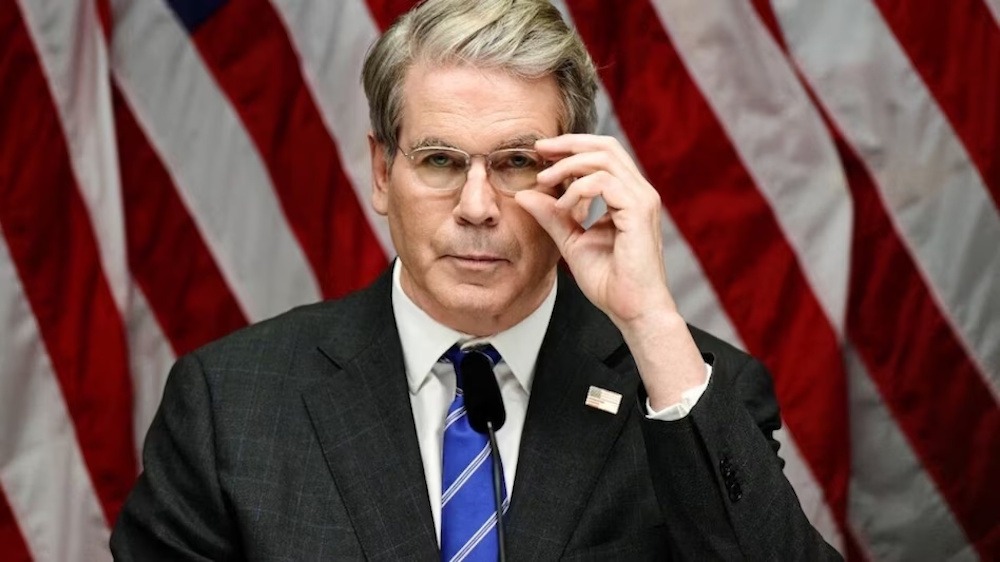
US Treasury Secretary Scott Bessent is convening with finance ministers from the world’s largest economies this week, amidst a backdrop where the United States has unsettled the international order through assertive tariffs on key allies and an unpopular military engagement in Iran, which continues to exert upward pressure on petrol prices for consumers. As Bessent commenced the meetings of the Group of 20 finance ministers in Asheville on Monday, he expressed a desire to concentrate on strategies for stimulating global economic growth and addressing the escalating levels of debt. However, the event occurs in the context of renewed hostilities between the US and Iran, alongside heightened trade tensions with Canada following a breakdown in negotiations that resulted in escalating tariffs. Bessent told The Associated Press in an interview on Sunday that he plans to turn up pressure on Iran by sanctioning another bank, part of what he is calling “Operation Economic Outcast.” He said the administration is prepared to exact “financial violence if we have to.” Asked how long it would take for the Iranian economy to collapse, Bessent said: “I think it could be within weeks or months – and the economy doesn’t have to collapse, we just have to have the regime come to their senses.” Bessent said the European Union had backed his sanctions efforts with “fulsome support.”
On Sunday, the EU said in a statement it welcomes added economic pressure on Iran and will work with the US and other partners to keep the squeeze on Iran. France’s finance minister, Roland Lescure, expressed to reporters his aspiration for a global statement from the G20 that outlines a consensus on a trajectory for worldwide economic growth. He said the world economy is “a bit like the weather in Asheville – it’s unpredictable, it’s foggy.” Under the circumstances, it might be hard to marshal allies – Daniel Fried, a former assistant secretary of state for European affairs in George W. Bush’s Republican administration, said the US may “find it difficult to rally its usual friends and allies” under the circumstances. If Bessent and other administration officials seek international support, he stated, they must “take greater care in consulting with allies and partners than the US has shown in recent months.” Bessent advocates for international cooperation to assist the United States in isolating Iran, aiming to compel its capitulation amid a conflict that has now surpassed six months.
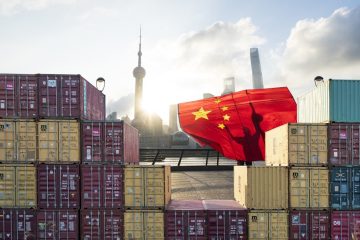
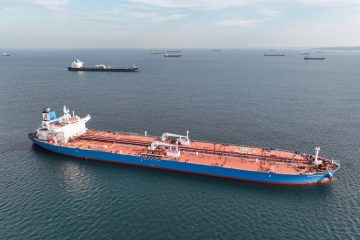
Although the US struck Iran again on Sunday, the administration has previously indicated its preference for leveraging economic pressure over military action to attain its objectives. Thus far, President Donald Trump has refrained from executing threats of a “economic D-Day” for Iran, opting instead to primarily issue warnings to Iran’s trading partners. A particular challenge is China, the largest buyer of Iranian oil. Bessent stated to the AP that “all options are on the table” regarding the potential sanctions against Beijing for its ongoing purchases. However, he dismissed the notion that the administration was hesitant to challenge China, labelling it “a completely false narrative.” He emphasised that China and the US must reach a consensus on the necessity of reopening the Strait of Hormuz and taking measures to prevent Iran from advancing its nuclear weapon capabilities.
The G20 meetings are convening in Asheville, a location that experienced significant devastation due to Hurricane Helene in September 2024. The natural disaster resulted in the loss of over 250 lives and inflicted approximately 80 billion dollars in damages spanning from Florida to the Carolinas. Bessent stated that Asheville, having undergone reconstruction following the storm, served as a symbolic backdrop for discussions surrounding economic growth. “We want the rest of the world to come along with our growth agenda, whether it’s deregulation, the energy independence, and we want to discuss global imbalances, banking regulations, some sovereign debt restructuring for developing countries,” Bessent told. He added that “the world has this mountain of debt, and we do have to grow our way out of it.”