US Intensifies Strikes on Iran Following Hormuz Shipping Incident
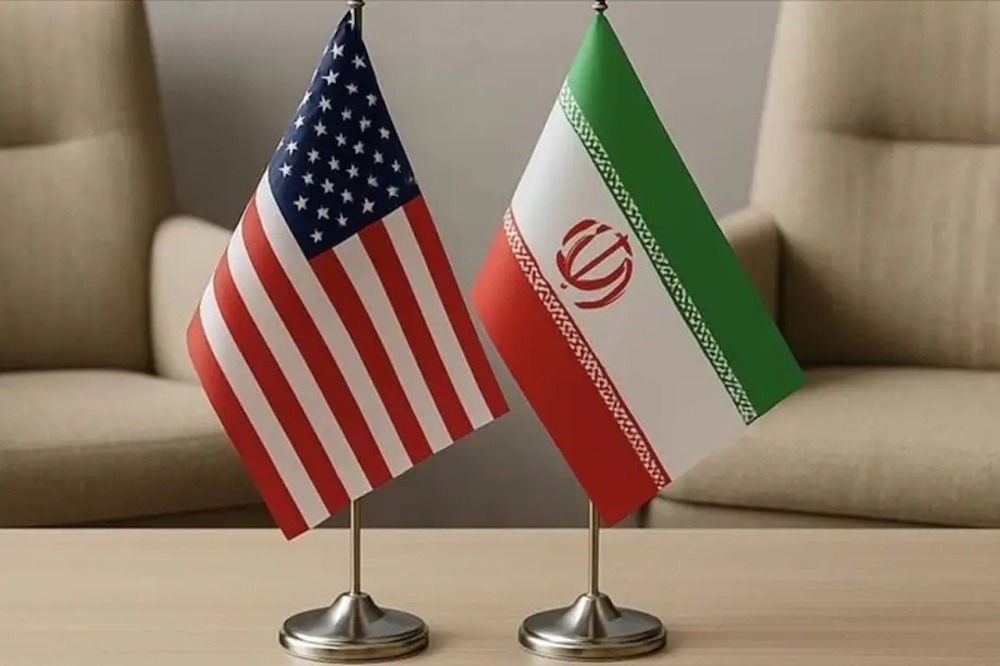
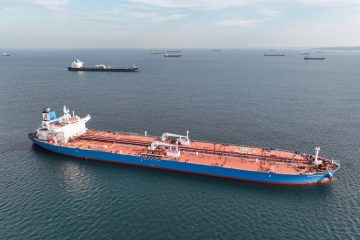
The US military announced the execution of additional strikes on Iran following an incident in which the Islamic Revolutionary Guard Corps targeted a container ship navigating the Strait of Hormuz on Sunday. A series of attacks between the US and Iran over the past several days prompted President Donald Trump to announce the termination of a ceasefire intended to stop the hostilities initiated by the US and Israel on February 28, although Trump has indicated a willingness to pursue further negotiations. Iran announced the closure of the crucial Strait of Hormuz following the discharge of a warning shot that impacted a ship navigating on an unauthorised course. It cautioned that any retaliation over the incident would be met with a “severe response.” US Central Command identified the vessel as the M/V GFS Galaxy, a Cyprus-flagged container ship, noting that it sustained significant engine-room damage and that a civilian crew member is currently missing. The conflict has led to instability in the Gulf region, and Iran’s successful blockade of the Strait of Hormuz has resulted in a significant increase in energy prices, contributing to global inflationary pressures. Rising prices, particularly in the petrol sector, present a politically charged challenge for Trump as the November congressional elections approach. Iran said several ships attempted to move through the waterway on an “unauthorized route” and disregarded warnings to correct their course.
The strait – which was a conduit before the war for one-fifth of the world’s oil and LNG supplies – will remain closed until “the end of US interference in this region,” the Revolutionary Guards said. Central Command announced that it commenced its strikes at 7:15 p.m. on Saturday, approximately one hour following the release of a statement by the Iranians. This statement included a caution that “new enemy bases” in the Middle East would be targeted should the United States respond to the container ship incident. Trump ordered the strikes, according to Central Command. Washington insists that Tehran make a public commitment to cease attacks on vessels in the strait, with senior US officials stating that all shipping lanes should remain open and toll-free. Iran’s Foreign Minister Abbas Araqchi has levelled accusations against the United States for breaching the ceasefire agreement. “There can only be mutual compliance,” he wrote on X on Friday. The US revoked the licence authorising the sale of Iranian crude on Tuesday following an incident earlier in the week in which three commercial tankers from Qatar and Saudi Arabia were attacked, leading to US strikes on Iranian sites. Iran subsequently targeted US military installations in Gulf states. Although Iran has not taken responsibility for the attacks on ships, analysts suggest that Tehran employs such tactics to enhance its negotiating position.
A senior Iranian source informed that Iran, the US, Qatar, and Pakistan had reached an agreement to engage in negotiations during a call that mediators were attempting to schedule for Saturday, coinciding with Araqchi’s presence in Oman, a Gulf state endeavouring to facilitate a resolution to the conflict. It was not immediately evident whether those efforts were successful. Araqchi and Omani Foreign Minister Badr Albusaidi convened in Oman to discuss “views on appropriate mechanisms for the safe passage of ships through the Strait of Hormuz,” as stated by the Iranian foreign minister. Oman’s state news agency reported that Omani and Iranian negotiators are set to persist in discussions “at the technical and political levels.” Source reported on Saturday that Oman has put forth a draft proposal concerning the strait, which includes provisions for free navigation through its southern corridor within Omani territorial waters. The plan stipulated that vessels navigating the northern corridor via Iranian territorial waters must secure prior approval from Iran; however, no tolls would be levied, according to source.
The White House and State Department did not provide an immediate response to enquiries regarding the report. A written statement from Iran’s new supreme leader, Ayatollah Mojtaba Khamenei, on Saturday threatened vengeance for the death of his predecessor and father, who was killed in the war’s initial attacks. It stated that retribution would occur regardless of the circumstances surrounding Iran. “We pledge to avenge the blood of the martyred leader and all the martyrs,” the message said. The statement was issued to commemorate the funeral ceremonies for the former leader, Ayatollah Ali Khamenei, on Thursday. His son did not attend the ceremony and has not been observed in public since the onset of the war. Trump posted on Friday that he had ordered the US military to be prepared to launch thousands of missiles against Iran if Tehran attempted to assassinate him. Source reported in recent days that Israel had shared intelligence with Washington indicating that Iran had recently devised a plan to assassinate Trump. Iran has remained silent regarding the allegations of assassination. During the funeral ceremonies on Thursday, a substantial assembly of mourners filled a courtyard, with some displaying banners that read, “We Will Kill Trump.”