Food Prices Soar to 3-Year High Amid Iran War Disruptions
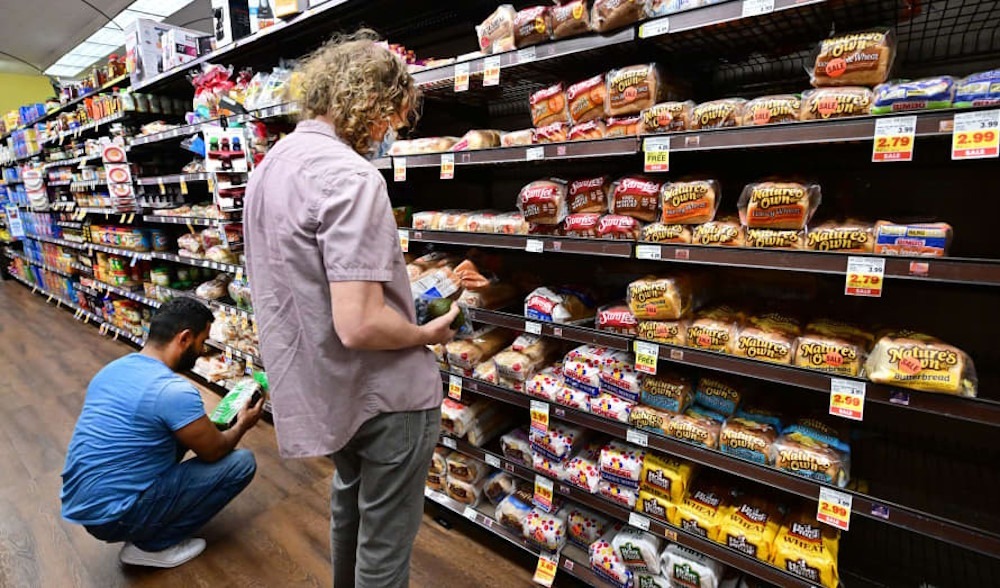
Global food prices have reached their highest levels in over three years, driven by disruptions in supply chains due to the conflict in Iran, which suggests an impending increase in costs for consumers. The United Nations’ index of food-commodity prices experienced an increase of 1.6 per cent in April, driven by rising prices in vegetable oil, meat, and cereals, as reported on Friday. This represents an increase of 2.5 percent compared to the same period last year. As the Iran war enters its third month, the critical Strait of Hormuz has been effectively closed, resulting in a significant reduction in the flow of essential agricultural inputs like diesel and fertilizer, which in turn has led to an increase in prices.
Vegetable oils propelled the UN index upward, increasing by 5.9 percent from March, reaching its peak since July 2022. Vegetable oils are experiencing stronger price increases, driven largely by higher oil prices, which are increasing demand for biofuels and putting additional pressure on vegetable oil markets, said Máximo Torero. The index tracks the costs of raw commodities instead of retail prices, indicating that there will be a delay before any rise in farmgate prices is reflected in consumer prices. Nevertheless, the rise from March’s level serves as the initial indication that food inflation may be poised to accelerate, even as the United States and Iran contemplate a peace agreement that could lead to the reopening of the strait.
The rise in the index, which monitors the costs of grains, sugar, meat, dairy, and vegetable oils, signifies the third consecutive month of increases, following its initial uptick in five months back in February. The meat index reached an unprecedented level, increasing by 1.2 percent since March. The cereal price index experienced an increase of 0.8 per cent from March, driven by weather-related concerns and anticipations of diminished wheat plantings in 2026, as farmers contemplate the cultivation of less fertiliser-intensive crops in light of the ongoing conflict in Iran.
Global agricultural producers are issuing alerts regarding the contraction of planting areas and diminishing crop yields, attributed to the significant rise in diesel and fertiliser costs since the onset of the conflict in February. Leading European producers, specifically France and Romania, have indicated a reduction in output as farmers reduce corn sowing in response to escalating input costs.