Meta Withdraws Muse Image AI Tool After Privacy Backlash
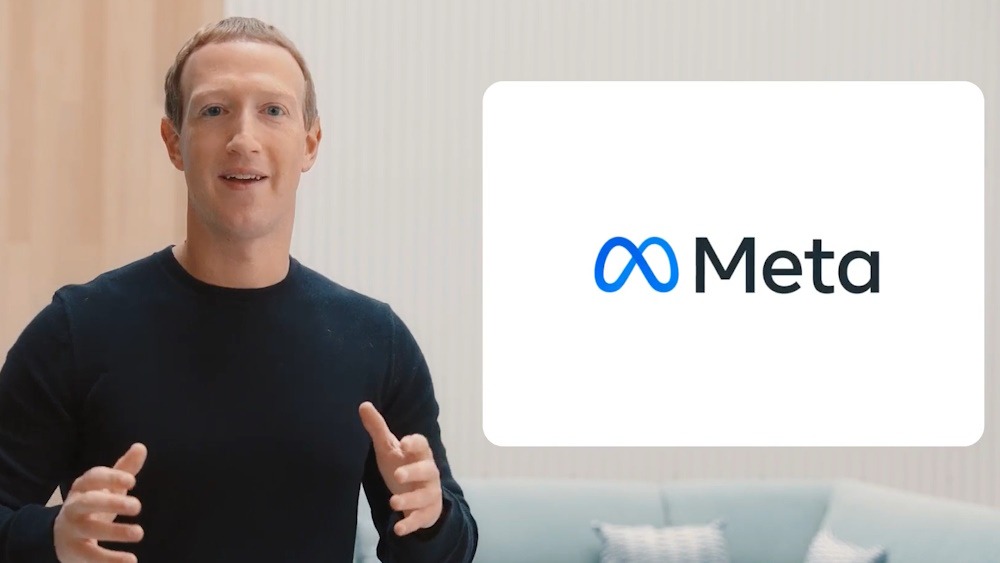
Meta has retracted Muse Image, an artificial intelligence feature that enabled users to create images utilising public Instagram accounts, merely days following its launch. The company retracted the feature following backlash from creators, privacy advocates, actors’ groups, and users, who contended that it permitted the use of public profiles for AI-generated images without obtaining explicit consent. The company stated on Saturday that the feature was designed to provide a creative tool but acknowledged that it had “missed the mark” and subsequently removed it. Herein lies the crux of the controversy. Muse Image was among the pioneering image-generation tools developed by Meta Superintelligence Labs and incorporated into Meta AI. One of its features enabled users to create AI images by referencing a public Instagram account within a prompt. Meta AI could utilise publicly accessible photographs from that account as visual references in the process of generating a new image. Users have the capability to modify AI-generated images by utilising sketches and various prompts. The feature was not operational for private accounts; however, it was activated by default for qualifying public accounts, unless users opted out of it.
The criticism focused on the utilisation of public Instagram profiles for the purpose of image generation. Numerous creators contended that the act of making a profile public does not imply that its photos can be readily utilised as source material for AI-generated images. They also questioned whether users had provided meaningful consent, given that the feature was activated by default rather than through an explicit opt-in. Several others cautioned that the tool might heighten the risk of impersonation, misleading images, and deepfakes by enabling individuals to generate AI-created images based on another person’s public profile. They also questioned whether artists’ likenesses, creative work, and visual styles could be replicated without permission. The primary concern articulated by users on social media revolves around whether “public” content is automatically considered fair game for AI-driven generation. While platforms frequently differentiate between public and private content, numerous users expressed that their expectation was for public posts to be seen by individuals rather than being transformed into AI-generated images.
The backlash originated from multiple groups. Content creators expressed their discontent regarding the utilisation of their photographs and online identities as reference material for AI, particularly in the absence of explicit consent. SAG-AFTRA, the union representing actors and media professionals, has encouraged its members and other Instagram users to choose to opt out. It stated, “Anything other than a clear and conspicuous opt-in for these types of uses of Instagram users’ images is unacceptable.” Talent agency Creative Artists Agency expressed criticism regarding the feature, while privacy organisations such as Privacy International and Foxglove contended that it obscured the distinction between content that is publicly accessible and the consent required for AI utilisation. Meta retracted the feature shortly after its introduction as criticism escalated. In a statement, the company said: “Our intent was to provide a useful creative tool and to give people control over whether their public content could be referenced in this way.” It added: “We’ve heard the feedback that this feature missed the mark, so it’s no longer available.”
The reversal followed user arguments highlighting a discrepancy between the technical capabilities of the feature and the expectations of individuals who opted to make their Instagram accounts public. Meta’s decision exclusively eliminates the Muse Image public-profile generation feature. Public Instagram posts can indeed be utilised for a variety of AI-related purposes. Meta persists in advancing AI models and integrating AI-driven functionalities throughout its applications in accordance with its established policies. The withdrawal signifies that users are now unable to create images by referencing public Instagram accounts via Muse Image; however, it does not alter Meta’s overarching AI products or its general strategy towards AI development.