SpaceX Soars Over $2 Trillion in Nasdaq Launch
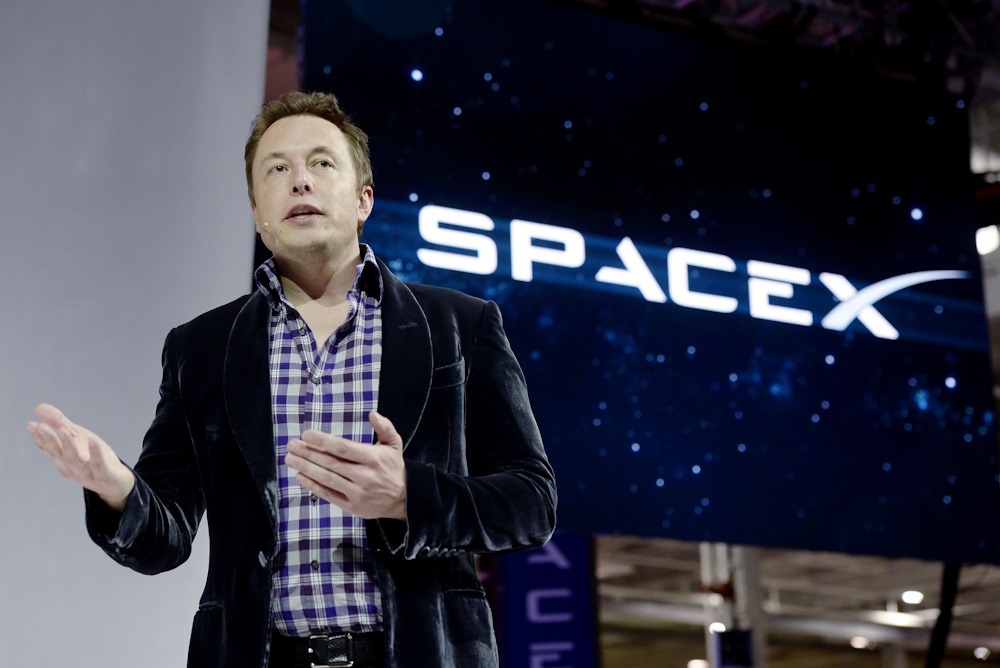
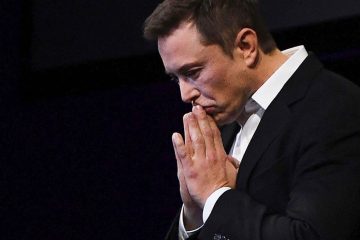
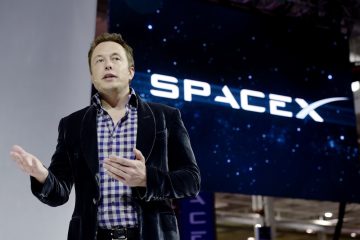
SpaceX shares surged 19 percent during their Nasdaq debut on Friday, propelling the company’s valuation beyond $2 trillion, thereby establishing it as the sixth-largest US company by value and elevating Elon Musk to the status of the world’s first trillionaire. Investors eagerly seized the opportunity to engage with Musk’s extensive empire, which encompasses rockets, satellites, and AI, following the remarkable $75 billion IPO. Over 510 million shares, valued at approximately $84 billion, were traded, despite SpaceX’s current lack of profitability and its revenue being just a small portion of that generated by comparable tech giants. The launch proceeded more seamlessly than anticipated by many observers, with trading commencing late on Friday morning free from the disruptions that plagued Facebook’s debut in 2012. SpaceX shares concluded the trading session at $160.95 per share, resulting in a total valuation of $2.1 trillion. The gain elevated SpaceX’s valuation beyond that of Broadcom, with Amazon positioned next at $2.6 trillion. The trade concluded a period filled with tension regarding the Nasdaq exchange’s capacity to manage the launch, especially following a recent decline in technology shares that heightened worries about the excessive valuations in AI-related stocks. Mega-listings from AI heavyweights Anthropic and OpenAI are poised for imminent release.
Investors spanning various categories, from major institutions to individual enthusiasts of Musk, concluded the day with a sense of euphoria. “For many investors, SpaceX represents a unique opportunity akin to investing in the railroads during the Industrial Revolution, and they are prepared to pay the Elon Musk premium for that chance,” stated Seth Hickle. Experts in the field indicated that investors ought to prepare for fluctuations, especially in the initial phase of SpaceX’s existence as a publicly traded entity, owing to its limited float and elevated valuation. SpaceX’s $18.7 billion in revenue results in a price-to-revenue ratio of approximately 112, significantly exceeding that of other megacap stocks. “The question remains is, what happens in a couple of weeks from now. Right now, people want to bid the stock higher because it’s a winner at this point. Whether it stays that way, that remains to be seen,” said Todd Schoenberger. Retail investors secured approximately 20 percent of the allocation, significantly exceeding the usual distribution seen in IPOs, with some even rejoicing over an allocation of just one share. Executives from SpaceX, among them President Gwynne Shotwell and Chief Financial Officer Bret Johnsen, marked a significant occasion at the Nasdaq market after ringing the opening bell on Friday. Musk conducted a distinct gathering for staff in Texas.
The IPO represents the realisation of Musk’s enduring aspirations in the realms of space and technology, distinguishing itself by redefining the conventional approach to initial public offerings and attracting a significant number of retail investors into the marketplace. “Elon deserves an extreme premium because of his track record and his vision for calling technology trends early,” said Shaun Maguire. Sequoia Capital’s investment is valued at over $20 billion at the IPO price. At $75 billion, the proceeds from the IPO surpassed those of Saudi Aramco’s record-setting 2019 IPO by more than double. SpaceX’s valuation may experience an increase if underwriters opt to exercise their right to sell additional shares, a choice generally made within a 30-day period following the offering. “Seeing the company that I joined when it was just some sketches on paper become this valuable is almost surreal,” said Tom Mueller. An estimated 4,000 current or former SpaceX employees will become millionaires based on the value of their SpaceX shares, according to source. Although SpaceX’s unprofitability disqualifies it from joining the S&P 500; however, its anticipated swift inclusion in the Nasdaq 100 is set to position it as a significant asset for passive funds and ETFs that monitor the index, thereby generating a new demand for its shares. It will take approximately one month before SpaceX is included in that index under Nasdaq’s new fast-entry regulations, compared to the usual wait time of up to a year.
Some analysts anticipate that SpaceX’s debut will prompt a reallocation of investor portfolios, leading to selling pressure on other technology giants as capital flows into the stock. On Friday, the shares of various space firms and satellite companies experienced a notable decline, with Planet Labs decreasing by 9 percent and EchoStar falling by 11 percent. SpaceX stated that its market opportunity amounts to $28.5 trillion, a figure it described as the largest in human history. With its dominant stance in the space sector – the company asserts that its operations account for over four-fifths of the mass launched into orbit in the last three years – alongside revenues generated from Starlink, some investors believe it has a robust foundation for future growth. Some analysts have already issued positive ratings on the company, but Morningstar analysts this month stated it is more fairly valued at approximately $780 billion, while CFRA on Friday initiated coverage with a sell rating. “This is not a name you’re buying based on fundamentals. For me, the analogy is Amazon. This was a company that changed the way we live,” said Nancy Tengler.