Nikkei Soars as Oil Prices Climb Amid West Asia Tensions
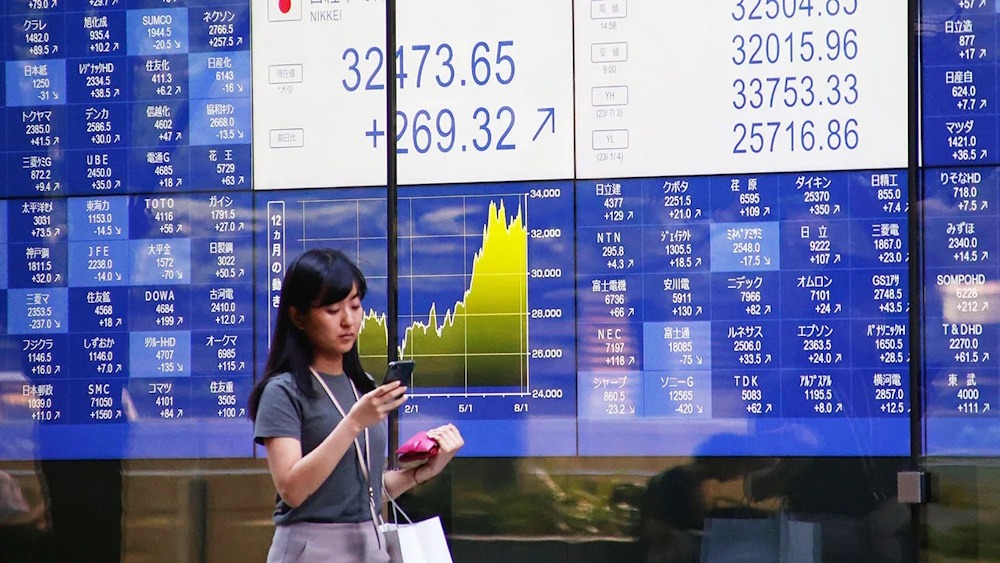
In Asia, shares displayed a mixed performance, while Tokyo’s Nikkei 225 index achieved a new record on Monday, following a week where US stocks reached new highs. The price of oil increased by over $1 as negotiations aimed at resolving the conflict with Iran encountered further obstacles. The White House has called off plans to dispatch envoys to Pakistan for further negotiations, with US President Donald Trump attributing this decision to a lack of progress. “If they want, we can talk, but we’re not sending people,” Trump told on Sunday. He stated earlier on social media: “All they have to do is call!!!” This week will see pivotal decisions regarding interest rates from leading central banks, including the Federal Reserve, the European Central Bank, the Bank of Japan, and the Bank of England.
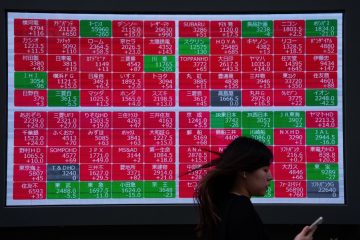
In Tokyo, the Nikkei 225 surged 1.4 per cent to 60,564.18, reaching new intraday highs. The Kospi in South Korea surged by 2.1 percent, reaching 6,617.94. Hong Kong’s Hang Seng index slipped 0.1 per cent to 25,951.86, while the Shanghai Composite index rose 0.2 per cent to 4,089.04. Australia’s S&P/ASX 200 experienced a decline of 0.3 per cent, settling at 8,759.40. Taiwan’s Taiex surged by 2.6 percent, bolstered by a resurgence in tech share purchases fueled by the artificial intelligence boom. On Friday, the S&P 500 rose by 0.8 percent, surpassing its previous all-time high established on Wednesday. The closing figure stood at 7,165.08.
The Dow Jones Industrial Average dipped 0.2 per cent to 49,230.71, while the Nasdaq composite rallied 1.6 per cent to its own record thanks to strong gains for the tech sector, closing at 24,836.60. A survey revealed a decline in consumer sentiment in April, affecting individuals across various political affiliations, income levels, ages, and educational backgrounds. However, there was a slight improvement following the announcement of a ceasefire in the ongoing conflict with Iran earlier in the month. The S&P 500 has surged almost 13 percent in just under a month. Financial markets are increasingly optimistic that the United States and Iran can navigate a path to prevent a worst-case scenario for the global economy amid their conflict. A fragile ceasefire persists, yet the escalating tensions between the US and Iran are obstructing oil tankers from navigating the Strait of Hormuz, preventing the delivery of crude from the Persian Gulf to global customers.
On Friday, Intel surged beyond its peak reached in 2000 during the dot-com boom, achieving an all-time high. It surged 23.6 percent, marking its most significant increase since 1987, following the announcement of results for the first quarter of the year that exceeded analysts’ expectations. CEO Lip-Bu Tan stated that the upcoming wave of artificial-intelligence technology is heightening the demand for Intel’s chips and products, and the company’s profit forecast for the spring exceeded analysts’ expectations. In other dealings early Monday, the price for a barrel of Brent crude to be delivered in July increased from $144 to $100.57. US benchmark crude oil increased by $1.28, reaching $95.65. The dollar decreased to 159.34 Japanese yen, down from 159.59. The euro rose to $1.1723, up from $1.1701.