Asian stocks fall as AI boom cools, oil rises on West Asia tensions
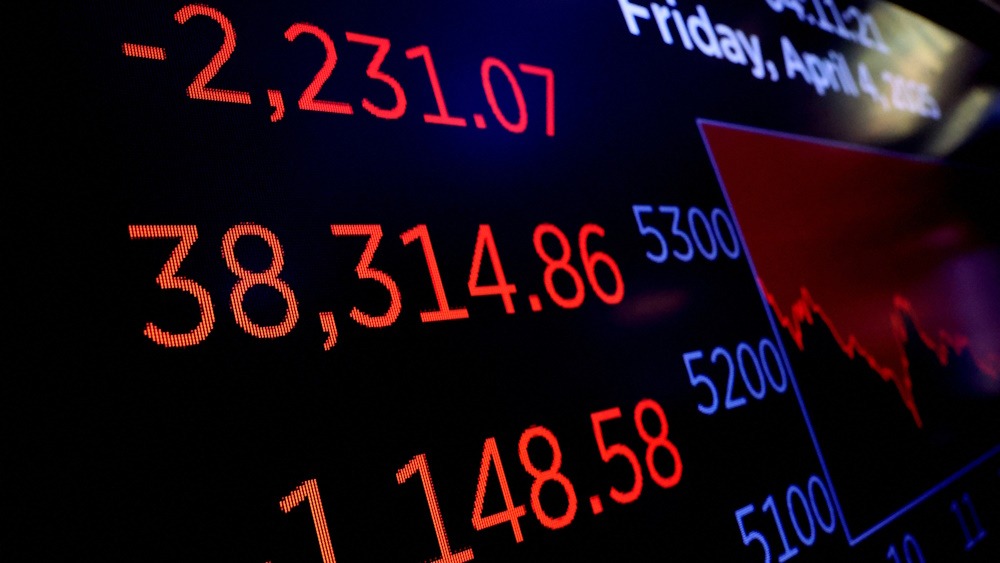
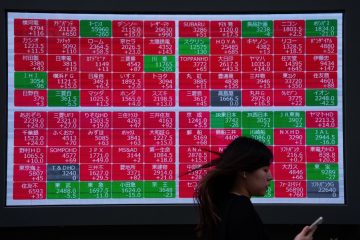
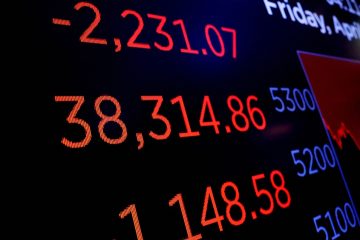
Asian markets experienced a significant decline on Monday as investors took a step back from the previously soaring AI rally. Concurrently, Israeli strikes on Beirut contributed to an increase in oil prices and the value of the dollar. South Korea’s chip-heavy KOSPI experienced a significant decline, falling over 6.8 percent in a volatile trading session that prompted a 20-minute trading halt. The benchmark has decreased approximately 14 percent from the record high observed last week. Japan’s Nikkei experienced a decline of 3.4 percent in early trading. Meanwhile, US S&P 500 and Nasdaq 100 futures were making an effort to recover after a significant selloff on Friday. The Nasdaq experienced a decline of 4.2 percent on Friday, following a robust jobs report that heightened expectations for potential interest rate increases by the Federal Reserve. “The move appears to be more of a positioning and momentum unwind rather than a reevaluation of the long-term AI narrative,” stated Marc Velan. “Korean technology companies have demonstrated remarkable performance on a global scale and have seen significant ownership. Consequently, when interest rate expectations changed following the jobs report, they emerged as a logical source of liquidity.”
Two-year Treasury yields increased by over 11 basis points on Friday and saw a further rise of 1.6 basis points on Monday, reaching 4.1782 percent. “The narrative surrounding AI’s pervasive influence showed signs of wear last week,” stated Bob Savage. “Whether this is a healthy pause in the nine-week equity rally or a top remains the key question. The IPO focus on SpaceX and Anthropic is part of the pause – whether to make room for the new market cap or to rethink value.” The upcoming week is prominently marked by the significant SpaceX listing, anticipated to price on Thursday and commence trading on Friday. Additionally, attention will be directed towards inflation, with US consumer price data scheduled for release on Wednesday, alongside central bank meetings in Canada and Europe.
Last week, bitcoin experienced its most significant weekly decline since the downfall of the crypto exchange FTX in late 2022, decreasing by approximately 16 percent. It was hovering just below $63,000 on Monday. SpaceX’s debut is anticipated to pave the way for additional significant IPOs in the near future from Anthropic and OpenAI, generating substantial capital that has brokers concerned about potential impacts on other assets. “The market regime has potentially shifted from moderate inflation and rate cuts to potential ‘overheating’ contributing to higher Treasury yields, a higher path of short-term interest rates and tighter liquidity,”
The situation in West Asia continues to be precarious, with Brent crude futures rising approximately 2.6 percent to $95.45 a barrel on Monday morning following an Israeli strike on Beirut, which led Iran to launch a series of missiles at Israeli positions. Opec+ has reached an agreement on Sunday to implement the fourth consecutive increase in its oil output targets over the past four months. In currency trade, the dollar remained strong, maintaining its position above 160 yen and driving the Australian dollar to $0.7055. The euro remained steady at $1.1531.