Putin dismisses fuel shortages as Ukraine attacks increase
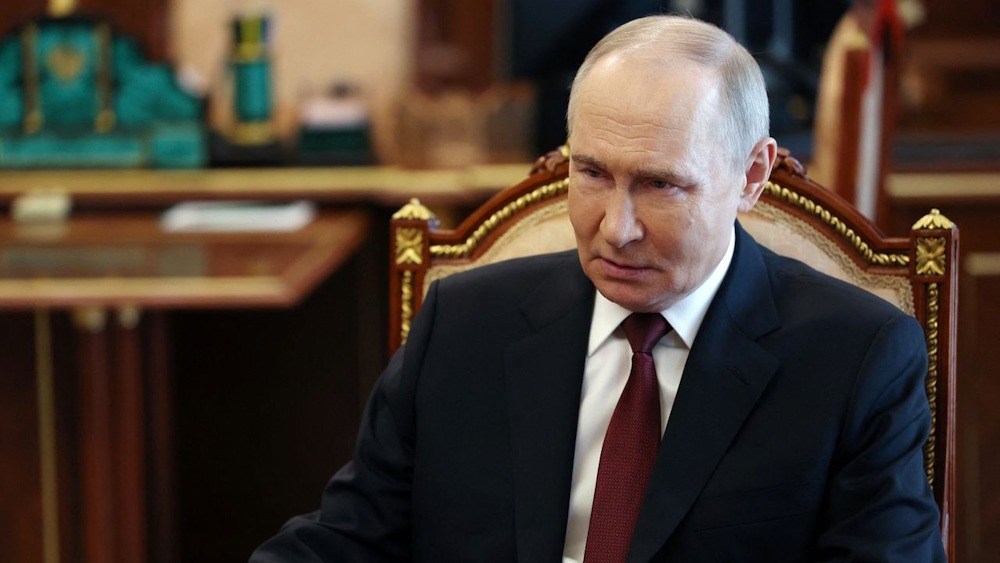
Despite significant fuel shortages throughout Russia, President Vladimir Putin seems unfazed by the escalating assaults on his nation’s oil refineries by Ukraine. He has characterised the setback for one of the world’s leading oil-producing nations as “not critical,” dismissed ceasefire proposals, and asserted that the war will persist until his objectives are achieved. Putin has characterised the assaults on Russian energy as a tactic employed by Ukraine to divert focus from its battlefield setbacks, despite analysts indicating that the progress of Russian forces has encountered significant obstacles in recent months. The Russian leader seems to be under the impression that his administration can prevent the fuel crisis from undermining his authority and the backing for the conflict he initiated over four years ago. The Russian military conducted a significant 11-hour bombardment on the Ukrainian capital during the overnight hours leading into Thursday morning, resulting in the deaths of at least 21 individuals. It represented one of the most lethal assaults on Kyiv since the commencement of Russia’s comprehensive invasion. Here is an in-depth examination of the recent exchange of strikes and Putin’s steadfast refusal to cease hostilities: Gas shortages are intensifying in Russia as additional oil facilities come under attack.
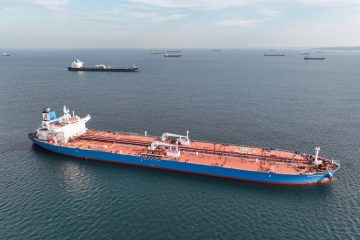
Since March, over 50 Ukrainian attacks on oil refineries and other energy facilities in Russia and the occupied Crimea have been reported. Ukrainian leaders assert that this sustained offensive aims to compel Moscow to conclude the conflict. At the very least, the attacks have brought the war home even more poignantly for millions of Russians, shattering Putin’s narrative of the conflict as something that does not affect the lives of ordinary people in his country. An estimated one-third of Russia’s refining capacity has been curtailed, as noted by Chris Weafer, CEO of the consultancy Macro-Advisory. The attacks have caused enduring harm that will require significant resources to rectify. Despite the presence of substantial air defences safeguarding Russia’s capital, a prominent refinery in Moscow has sustained damage from two separate strikes. The second strike on June 18 ignited significant damage to essential equipment, with reports indicating that repairs may extend until the end of the year. Gasoline production in Russia has decreased by approximately 17% to 850,000 barrels per day, as reported by government statistics. This decline has led to the introduction of rationing in numerous regions, resulting in motorists waiting in line for hours to refuel. Crimea, which Russia illegally annexed from Ukraine in 2014, has experienced significant fuel shortages. Sales of petrol to individuals have been completely suspended in that location.
Putin presided over a meeting with government officials last weekend to address the issue of fuel shortages. In televised statements, he recognised that the nation is experiencing a “difficult period.” He pledged to expedite the repairs of energy facilities and indicated that Russia would contemplate importing petrol to address what he characterised as “temporary” shortages. He also stated that Russia’s arms industry will increase the production of air defence systems to counter potential future attacks from Ukraine. Putin characterised the Ukrainian strikes as a strategy aimed at fracturing Russian society, impeding Moscow’s military operations, and compelling the Kremlin to engage in negotiations that would favour “terms advantageous to our adversary. We will not give them that chance,” he stated. While Putin stated that Ukraine’s long-range strikes on Russian oil facilities “have absolutely no effect on the situation at the front,” Western military analysts contend that mid-range strikes on the Russian army in recent months have impeded military logistics and decelerated the pace of its advance, resulting in a stalemate on the battlefield.
Putin asserts that Russian forces continue to make progress along the approximately 1,000 kilometer-long (620 mile-long) front line. In a recent interview with state television, Putin referenced specific small villages and even streets located in Ukraine. The Russian president has reacted to Ukrainian President Volodymyr Zelenskyy’s proposal for a meeting by inviting him to Moscow, a suggestion that is fundamentally unacceptable to Ukraine. Putin has dismissed a ceasefire proposal put forth by Kyiv and its Western allies. He claims it would merely allow Ukrainian forces to rest and regroup. He has made any ceasefire dependent on Ukraine withdrawing from the Donetsk region it still controls, a demand Ukraine has rejected. Putin demands Ukraine drop NATO ambitions, scale back military, and safeguard Russian language and culture for a peace deal. In last Sunday’s interview, Putin stated that Ukraine proposed to confine the conflict to the four regions Russia annexed but never fully seized: Donetsk, Luhansk, Kherson, and Zaporizhzhia. He rejected the proposal, stating it would allow Ukrainian forces to shift focus from other areas with Russian advances and concentrate on defending against attacks in the four southeastern regions.
“Faced with a catastrophic shortage of personnel, the armed forces of Ukraine apparently believe this could be their salvation,” Putin said. “Saving the Kyiv regime is not part of our plans,” he added. The Kremlin revealed the proposal was communicated through confidential channels, while Ukrainian officials have not publicly addressed it. Putin rejected Ukraine’s call for a mutual ceasefire on deep strikes. Russian strikes in Ukraine are now “much more powerful, sensitive and, frankly speaking, destructive,” he stated. In Thursday’s deadly attack on Kyiv, Russia struck residential areas while claiming to target military sites. In contrast, most Ukrainian strikes in Russia have targeted oil facilities, weapons factories, and other military sites. Over 16,000 Ukrainian civilians have lost their lives in the war, according to a United Nations report.