China’s Producer Inflation Hits 45-Month High
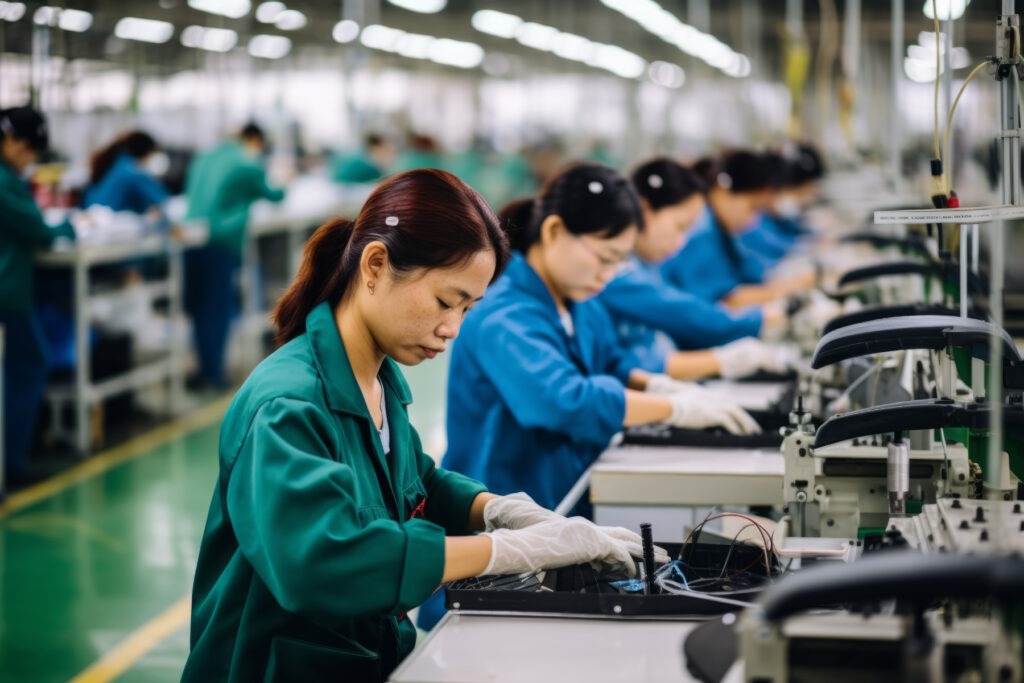
In April, China’s producer prices exceeded forecasts, reaching a 45-month peak, while consumer inflation also picked up due to persistently high global energy prices. This scenario is exacerbating the challenges faced by manufacturers who are already contending with subdued domestic demand. The producer price index recorded a year-on-year increase of 2.8 per cent, as reported on Monday, surpassing the 1.6 per cent rise anticipated in a poll. The index marked the end of a 41-month period of decline in March, as prices increased by 0.5 percent. The consumer price index increased by 1.2 percent relative to the previous year, surpassing the anticipated rise of 0.9 percent. The increase was recorded at 1 percent in the preceding month.
Policymakers in China have consistently focused on enhancing domestic demand, mitigating fierce market competition, and fostering a recovery in prices, given that deflationary pressures are adversely impacting businesses’ profit margins. Inflation resulting from external price shocks does not signify an enhancement in the supply-demand equilibrium and may exacerbate challenges for the export-driven economy. The NBS attributed the increase in factory-gate inflation to escalating prices in sectors including non-ferrous metals, oil and gas, and technology equipment, as noted by statistician Huo Lihui. The substantial energy reserves and varied supply mix of Beijing have mitigated the effects of energy supply disruptions in West Asia on its economy.
This year, exports have shown resilience, driven by strong demand for AI-related products and firms accumulating components in anticipation of increasing material costs. China’s export sector faces vulnerabilities stemming from fluctuations in demand among global trade partners, a challenge that has been exacerbated as many of these partners strive to mitigate the effects of the West Asia conflict. Increasing global energy prices are contributing to a rise in the cost of living. China’s state planner has elevated retail prices for gasoline and diesel following the onset of US-Israeli attacks on Iran in late February, concurrently, major Chinese airlines have augmented fuel surcharges for domestic flights.
Increasing living expenses may impede household expenditure, which has continued to lag due to a deceleration in overall economic expansion and a protracted downturn in the real estate sector. Core CPI, excluding the more volatile categories of food and fuel, experienced a year-over-year increase of 1.2 percent, in contrast to the 1.1 percent rise recorded in March. The most recent monthly report indicates that the Consumer Price Index increased by 0.3 percent, diverging from the anticipated decrease of 0.1 percent and contrasting with the 0.7 percent decline observed in March.