China Hits Back: Anti-Sanctions Law Activated Against US Oil Firm Blacklist
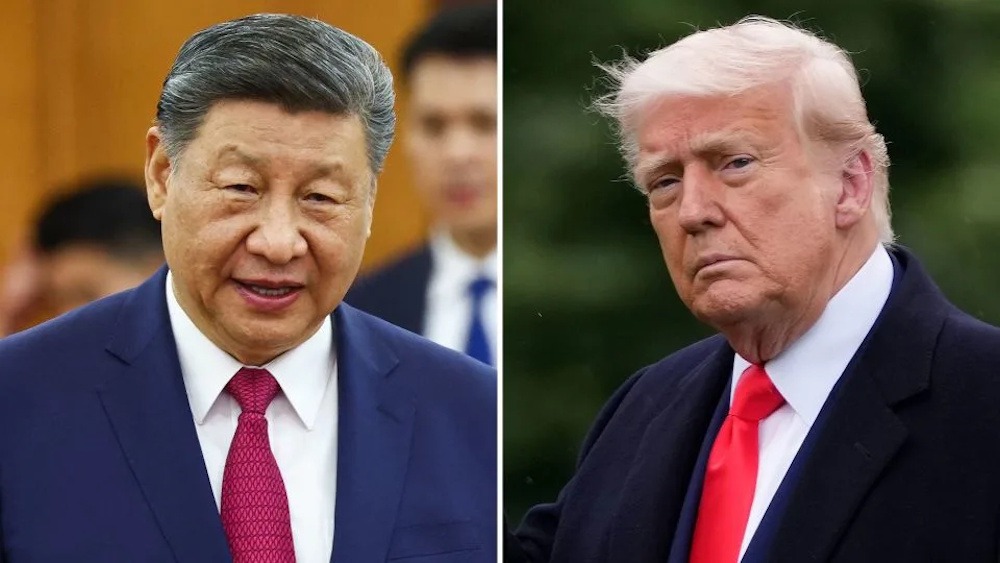
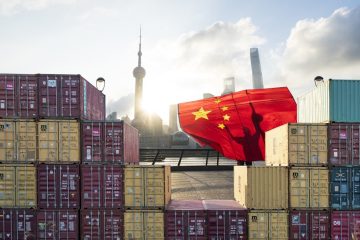
China has, for the first time, invoked a law targeting companies that comply with foreign sanctions it rejects, escalating a pushback against the US blacklisting of several oil refineries over purchases of Iranian crude. On Saturday, the Ministry of Commerce directed companies to disregard US sanctions imposed on five refiners, including the recently designated Hengli Petrochemical. This directive references a law that empowers Beijing to retaliate against entities enforcing sanctions it considers unlawful.
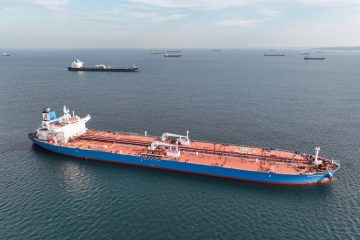
Washington and other Western governments have imposed sanctions on several Chinese firms for engaging in the trade of Iranian or Russian oil, prompting ongoing criticism from Beijing. Hengli Petrochemical has refuted US allegations regarding its trade activities with Iran. Independent refiners in China are the primary purchasers of Iran’s oil exports. The decision occurs just under two weeks prior to US President Donald Trump’s scheduled visit to Beijing, underscoring China’s readiness to utilize its economic leverage even amidst a trade truce with Washington.
According to the law, which was introduced in 2021 and most recently revised in April, China has the authority to impose countermeasures on companies and individuals. These measures may include trade and investment restrictions, as well as limitations on entry and exit. Legal analysts indicate that the law places counterparties of sanctioned firms in a precarious position between jurisdictions, creating a risk of violating Chinese law should they adhere to foreign sanctions, or facing penalties in other regions if they choose not to comply.
Last August, Canada’s Trade Commissioner Service cautioned companies operating in China that they might find themselves caught between the regulations of the US, European Union, and China due to the legislation. According to China’s official People’s Daily on Sunday, the action “uses the power of the rule of law to precisely counter the US’s ‘long-arm jurisdiction.’” The law permits companies to seek waivers. A trader at a Hengli counterparty, who wished to remain anonymous, stated that companies with significant overseas operations should be able to advocate for exemptions from Chinese regulators.