Chinese memory chip firms rise amid AI surge, facing US scrutiny
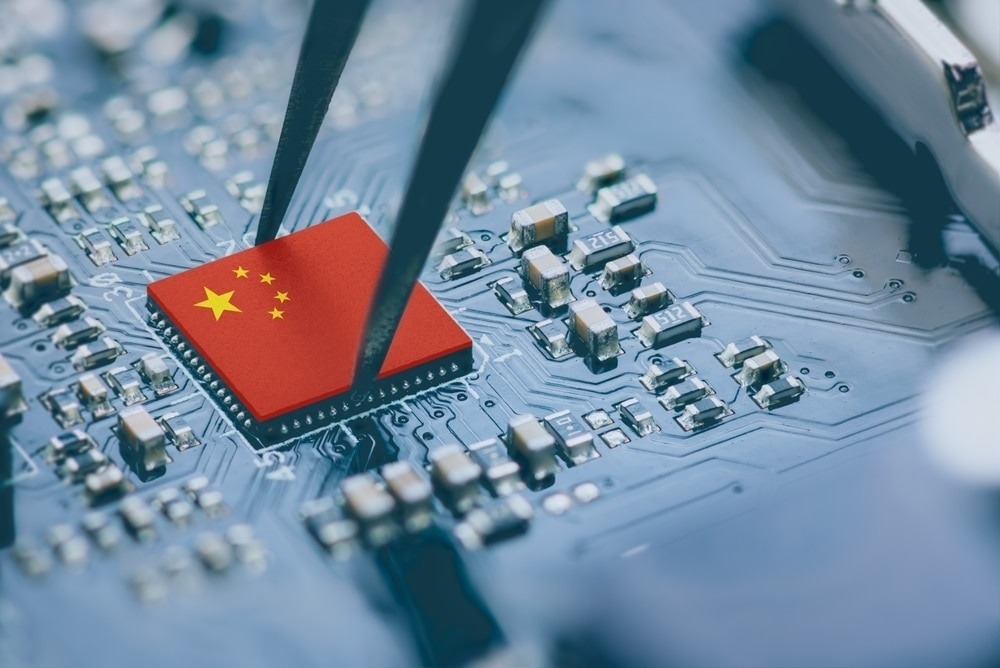
For several months, Chinese chip manufacturer ChangXin Memory Technologies has been increasing prices for Huawei, one of the largest technology companies in the country. The chipmaker maintained its position when Huawei sought relief from the rising costs, according to sources. Executives at the Huawei-connected equipment vendor, SiCarrier, determined that the confrontation stemmed from the ongoing power struggle between CXMT and Huawei, sources informed. The clash illustrates the evolving dynamics of China’s semiconductor industry. CXMT has ascended to the position of the world’s fourth-largest manufacturer of memory, encompassing the DRAM type utilised in smartphones, laptops, and servers. Currently, the company possesses sufficient market strength to impose prices that even Huawei finds untenable. Memory chips that facilitate the operation of applications and the storage of files were historically characterised by low profit margins. CXMT and its flash-memory counterpart, Yangtze Memory Technologies Corp, or YMTC, have spent years depending on government funding while accumulating losses. However, the worldwide expansion of AI data centers has elevated these basic components into some of the most coveted products globally, igniting competition over pricing and a rush for supply.
The Chinese memory manufacturers are currently selecting clients and setting prices, according to four individuals familiar with the situation, as reported. In certain instances, they are imposing higher charges compared to their larger South Korean competitors, Samsung and SK Hynix, as the surging demand for memory chips compels Chinese purchasers to incur increasingly elevated costs. CXMT has entered into a five-year agreement with ByteDance, the parent company of TikTok, valued at over $7 billion, according to individuals. This account of how CXMT and YMTC are wielding their newfound clout is based on interviews with over a dozen individuals, including executives, engineers, suppliers, and US officials, alongside a review of 50 Chinese government policy documents and company disclosures conducted by source. It unveils fresh insights into their pricing power, strategies, and dealmaking as both firms, recognised in China as the “twin stars” of memory, advance towards significant IPOs. Neither chipmaker provided a response to enquiries regarding their pricing, strategic approach, and the increasing scrutiny from the US concerning their market dominance. The dominance of Chinese companies in the chip supply chain is setting the stage for a confrontation with Washington. The Pentagon has classified both firms as Chinese military companies, citing their involvement in supporting China’s military-civil fusion strategy — a claim that the firms refute.
YMTC is currently included on the US Entity List, a classification that has limited its ability to procure US-origin suppliers, software, and tools essential for memory-chip manufacturing. Congress is currently engaged in discussions regarding potential restrictions that would further limit the access of both companies to chipmaking equipment. However, there exists a division within the Trump administration regarding the approach to impose restrictions on them, as indicated by four individuals acquainted with the discussions. Apple has contended that it requires Chinese memory and has pursued guarantees that CXMT will not be included on the Entity List, according to sources. The Commerce Department oversees this matter; however, officials have refrained from taking action, as reported by source last month. Micron, the primary Western competitor of Chinese firms, has urged US lawmakers to implement additional restrictions on CXMT and YMTC, which includes limiting their access to chipmaking equipment. Apple and Micron did not respond to enquiries regarding the discussions. The White House, along with the departments of Commerce, Defence, and State, did not provide comments in response to enquiries.
The geopolitical tussle has not impeded the progress of Chinese chipmakers in pursuing public listings. CXMT, set to make its Shanghai market debut on Monday following a $8.6 billion IPO, has remarkably eliminated a decade of losses within just six months, reporting $7.5 billion in revenue for the first quarter — a staggering 719 percent increase compared to the same period last year. YMTC is gearing up for its initial public offering, with certain executives advocating for an internal valuation target of 1 trillion yuan, equivalent to $148 billion, as reported by two sources. Currently, the chipmakers are advancing their competitive strategies directly to the thresholds of their rivals. YMTC made its entry into the South Korean market in June, introducing its consumer memory storage brand and capitalising on a void created by Samsung, SK Hynix, and Micron. CXMT aims to penetrate the US market in the long term, as indicated by three sources, yet its capacity is constrained by significant domestic demand. Chinese authorities have requested that CXMT and YMTC prioritise supply to domestic firms, according to sources. However, the chipmakers are also set to increase their manufacturing capacity, potentially enabling them to cater to both the Chinese and international markets by 2027, coinciding with the launch of new fabrication plants.