Barclays to Slash 5,000 Jobs Amid AI Expansion for Cost Savings
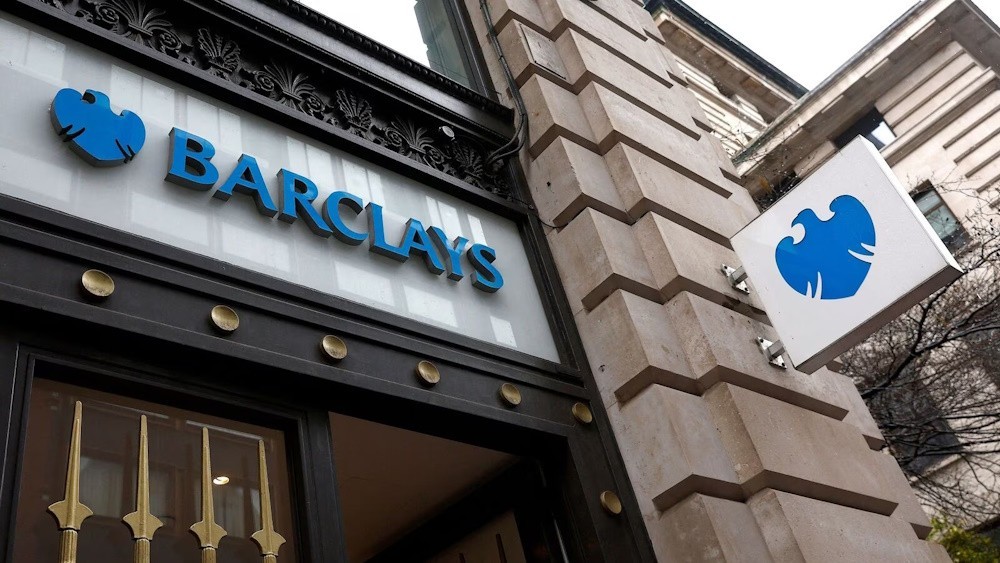
Barclays Plc announced a reduction of 5,000 jobs, representing approximately 5 percent of its total workforce, as part of a “technology-enabled” initiative aimed at cost reduction while integrating artificial intelligence throughout the organization. The bank disclosed its third-quarter earnings on Thursday, which fell short of multiple significant estimates. Barclays’ bond traders experienced the most significant decline on Wall Street during the quarter, overshadowing a robust performance on the equities desk. Revenue from fixed income and currency trading declined by 19 percent year-over-year, totalling 1.01 billion euro, which is below the analyst expectations. That indicated the equities traders, who recorded a 47 percent increase in revenue, nearly equalled that revenue achievement with their strongest performance since at least 2009, the year following Barclays’ acquisition of the North American operations of Lehman Brothers. The bank said the fixed-income result reflected lower client activity in rates and credit, and “further adversity in September due to the macroeconomic environment.”
Chief Executive Officer CS Venkatakrishnan said the performance in FICC was “somewhat disappointing.” And “We will employ AI at scale,” Venkatakrishnan said on the call. “But AI is the icing on the cake, not the cake.” Barclays has reduced its workforce by approximately 1,000 positions in the initial half of this year, with further reductions anticipated before the conclusion of 2026. Approximately 60 percent of the job reductions are occurring within support functions, which includes developers. At the conclusion of 2025, Barclays had a global workforce of approximately 93,000 individuals. The London-based bank stated it was “structurally reducing” costs to “generate capacity for investment.” It emphasises the streamlining of the organization and the enhancement of efficiency, propelled by artificial intelligence, as outlined in a presentation.
Barclays shares experienced a decline of up to 2.4 percent at the opening of the London market. The bank allocated 201 million euro over the three-month period ending in September to assist in reducing future expenditures. Barclays’ retail bank was unable to compensate for the underperformance in the investment bank, as the UK retail unit remained largely stable and the US consumer segment also exhibited minimal year-on-year growth, falling short of expectations. The bank maintained its targets for the upcoming years, with operating expenses aligning closely with expectations for the quarter, and revealed a share buyback of 500 million euros. Investors have been closely monitoring the bank’s cost management following the release of its half-year earnings, which revealed unexpectedly elevated expenses, notwithstanding the introduction of a new cost-reduction initiative in February.
Peers including JPMorgan Chase & Co., Goldman Sachs Group Inc. and Bank of America Corp. experienced comparable trends within their fixed income desks, where revenue declined by as much as 17 percent year-on-year. This downturn was influenced by the repercussions of rising interest rates, which tend to diminish the value of existing debt and reduce client demand for transactions. Overall, Barclays investment bank marginally fell short of expectations, reporting total income of 3.13 billion euro. “With one quarter to go before the end of our original three-year plan, we have either achieved or are on track to achieve all of our 2026 group targets. We are confident in and committed to the 2028 targets that we laid out earlier in the year,” Venkatakrishnan said in a statement. UK lenders are preparing for an increase in taxes on their earnings as part of the upcoming Labour government budget, which aims to utilise the proceeds to provide cost-of-living relief for households.