Jaguar Launches $172K Electric Car in Bold Reboot
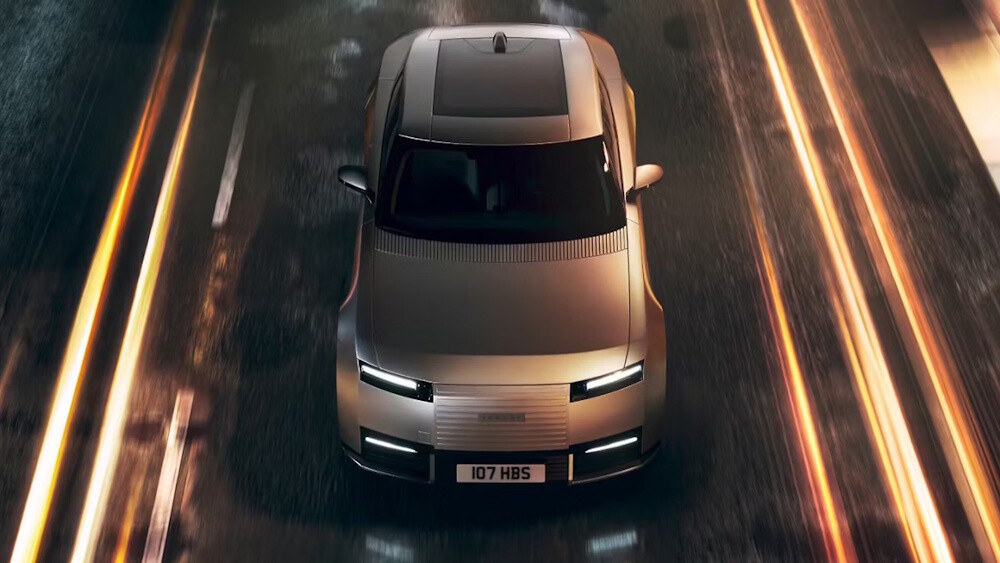
Jaguar unveiled the inaugural model of its new fully electric series, a grand tourer priced at £130,000 ($172,000), designed to revitalise the esteemed British marque. Orders for the Type 01 are set to commence in early 2027, following a hiatus of over two years since Jaguar ceased the sale of new vehicles in the UK. This decision aligns with the brand’s strategy to undergo a comprehensive rebranding and to focus exclusively on luxury electric vehicles. It will aim to attract a younger demographic – a shift for a brand historically favoured by middle-aged men and recognised as the preferred vehicle for British prime ministers. The new model, the first in eight years, arrives at a pivotal juncture for Jaguar following a significant rebranding in 2024 that faced considerable criticism. A video released at the time to build anticipation elicited mixed reviews, as it lacked vehicles and showcased expressionless fashion models. First-look footage of the Type 01 published on YouTube has also triggered a range of responses, including “boring” and “looks like a generic modern Chinese EV,” as well as “beautiful” and “fabulous.” The official unveiling on Tuesday evening in New York comes after a series of varied responses to other luxury electric vehicles.
Ferrari NV’s inaugural electric model, the Luce, faced considerable criticism, whereas Volkswagen AG’s Bentley brand aimed to avoid design disputes by adhering to a conventional aesthetic for its first entirely battery-operated vehicle. In contrast to Ferrari, Jaguar required a significant overhaul. Jaguar Land Rover Automotive Plc, a subsidiary of Tata Motors Passenger Vehicles Ltd. from India, has historically concentrated on its more lucrative Land Rover and Range Rover sport utility vehicles, which have seen increasing sales in the US market. In contrast, the Jaguar brand experienced a decline, recording annual sales of 66,900 in its last complete year prior to entering a state of hibernation. That figure represented only a third of the output achieved following the introduction of the I-Pace, its latest model, in 2018. Nonetheless, ceasing production entirely represents an atypical strategy for an automobile manufacturer, even in the context of a brand overhaul. Jaguar ceased production of its entire lineup in 2024, with the exception of the F-Pace SUVs, which remained in production in the UK for export purposes.
Jaguar, which traces its roots to 1922 and is known for classic cars like the iconic E-Type, “is a vital part of JLR’s growth story,” Chief Executive Officer P.B. Balaji said in a statement. The company initially announced its EV-only direction in early 2021. It selected a venue in New York for the unveiling, recognising the United States as a crucial market for the Type 01. EV scepticism among US buyers remains entrenched, even at the luxury end of the market. Even in Europe, where electric vehicles are more prevalent, there remains a degree of apprehension regarding a complete transition to electric. Nevertheless, sales have increased this year, driven by elevated fuel prices and the reinstatement of incentives in pivotal nations such as Germany. Some European brands, such as VW and Mercedes-Benz Group AG, have moderated their initial declarations regarding a shift to exclusively electric vehicles following a dip in demand, only to observe a resurgence in interest once more. The Jaguar Type 01 will be manufactured at its Solihull facility, while electric drive units and battery packs will be produced in the adjacent Wolverhampton area.
The EV will travel as far as 400 miles (644 kilometres) on a single charge, with 200 miles of range added in 13 minutes with rapid charging. The Type 01 can accelerate to 62 miles per hour in a mere 3.2 seconds. The new Jaguar is “another big vote of confidence in our world-class automotive industry,” UK Business Secretary Jonathan Reynolds said in a statement. It follows recent investment pledges by McLaren Automotive Ltd. and Nissan Motor Co. Concurrently, JLR is reducing its workforce by approximately 4,000 positions as the largest automotive manufacturer in Britain contends with various challenges, such as US tariffs, the repercussions of a cyberattack that disrupted production, and fierce competition, particularly from Chinese manufacturers. It has also recently introduced its inaugural electric Range Rover. The new Jaguar brand is anticipated to manufacture in limited quantities, rather than revert to previous production levels.