Trump taxes generic drugs 100% starting August 2028
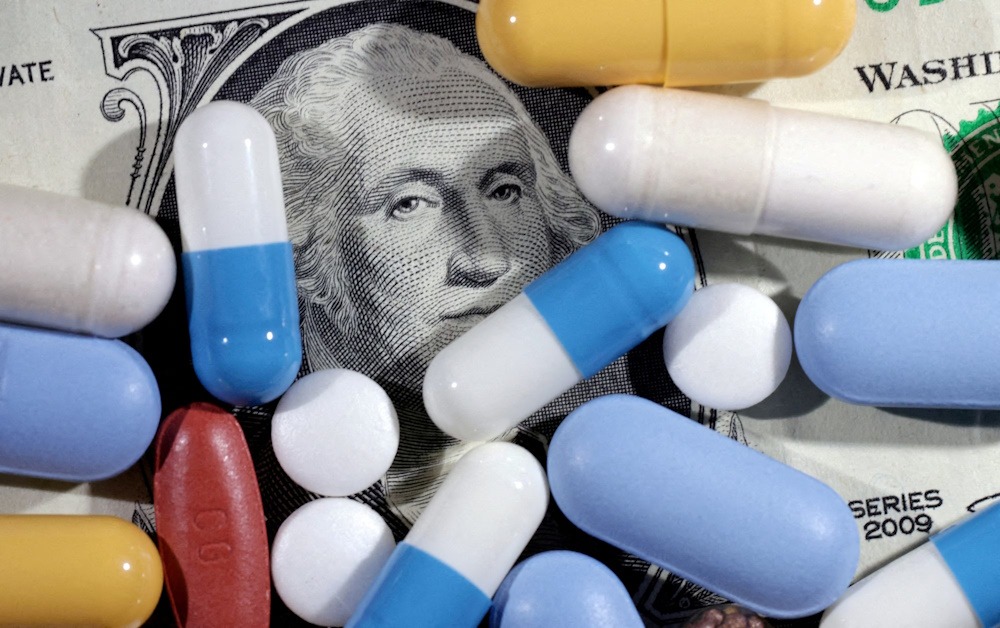
Generic drug manufacturers will have a two-year period to relocate their production to the United States, or they will encounter a 100 percent import duty starting in August 2028, as stated by President Donald Trump in a social media post on Tuesday. That levy would subsequently increase to 200 percent a year later, in August 2029. “This is done in order to RESHORE Generic Pharmaceutical Production into America, with a penalty to those Companies that decide not to build Plant and Equipment within the stated period of time given to them,” Trump said in the post. Trump has identified the cost of drugs as a significant factor influencing affordability issues in the lead-up to the 2026 midterm elections. He has long expressed concerns regarding the disparities in prices that consumers face in the US relative to those in international markets, and has consistently pursued measures to narrow that divide. The administration also recently launched a direct-to-consumer discount drug sales platform branded as TrumpRX. The White House has consistently established postponed tariff implementation dates, with an impending deadline that carries significant repercussions, as a strategy to generate leverage for forthcoming agreements with nations and corporations alike.
The president has called on pharmaceutical companies to increase domestic production of their medicines, and in April 2025, his administration initiated an investigation into the industry on national security grounds, citing Section 232 of the Trade Expansion Act. Trump stated that the tariff plans of his administration concerning patented drugs would remain consistent. That plan would aim for tariffs reaching up to 100 percent on specific imported medicines, albeit with several significant exceptions. Most of the world’s largest pharmaceutical companies, such as Merck & Co. and Eli Lilly & Co., navigated the punitive measures by entering into agreements with the administration. Generic manufacturers are under scrutiny. Makers of generic drugs face a more limited array of options. In contrast to producers of patented pharmaceuticals, these companies operate with narrow profit margins and depend on international manufacturing networks, which significantly complicates their ability to absorb tariffs. Chief Executive Officer Richard Saynor of Sandoz Group AG, one of the world’s largest generic producers, cautioned last year that America’s transition toward significant tariffs was expected to increase drug prices and restrict patient access.
The Swiss company, in conjunction with competitors Teva Pharmaceutical Industries Ltd. and Viatris Inc., replicates branded medications following the expiration of patent protection. It produces a significant portion of its generic pharmaceuticals internationally, operating facilities in Canada and Austria. Among the United States’ trading partners, the impact would be most pronounced for India, the largest exporter of generic pharmaceuticals to the United States. Pharmaceuticals rank among India’s top three exports to the United States, amounting to $10.5 billion in the fiscal year 2024-25, as reported by the Commerce Ministry. Duties on drugs would adversely affect over 40 percent of India’s exports to the US, compounding the impact of existing levies on steel, aluminium, and autos. It remains uncertain the extent to which Indian drug companies will be impacted by Trump’s new tariff. A trade agreement established between the two nations in February specified that India would “receive negotiated outcomes with respect to generic pharmaceuticals and ingredients.”
Trump’s prior threats to impose tariffs on pharmaceutical imports jeopardised affordable supplies from India, particularly affecting commonly prescribed oral contraceptives, as well as treatments for hypertension and depression, as highlighted in a previous analysis by source utilising data from health care intelligence firm Symphony Health. In the realm of birth control, approximately 65 percent of all pill prescriptions in the United States in 2024 were produced by merely two companies based in India, Glenmark Pharmaceuticals Ltd. and Lupin Ltd., according to the findings. In a distinct effort, the White House is engaged in the process of substituting Trump’s emergency powers, which were ruled unlawful by the Supreme Court earlier this year. An across-the-board rate of 10 percent is set to expire on Friday, and the administration is expected to impose levies on products from dozens of trading partners, citing what it described as lax forced-labor standards, before the end of the week.