Luxury Giants Hit Hard as West Asia Demand Dips
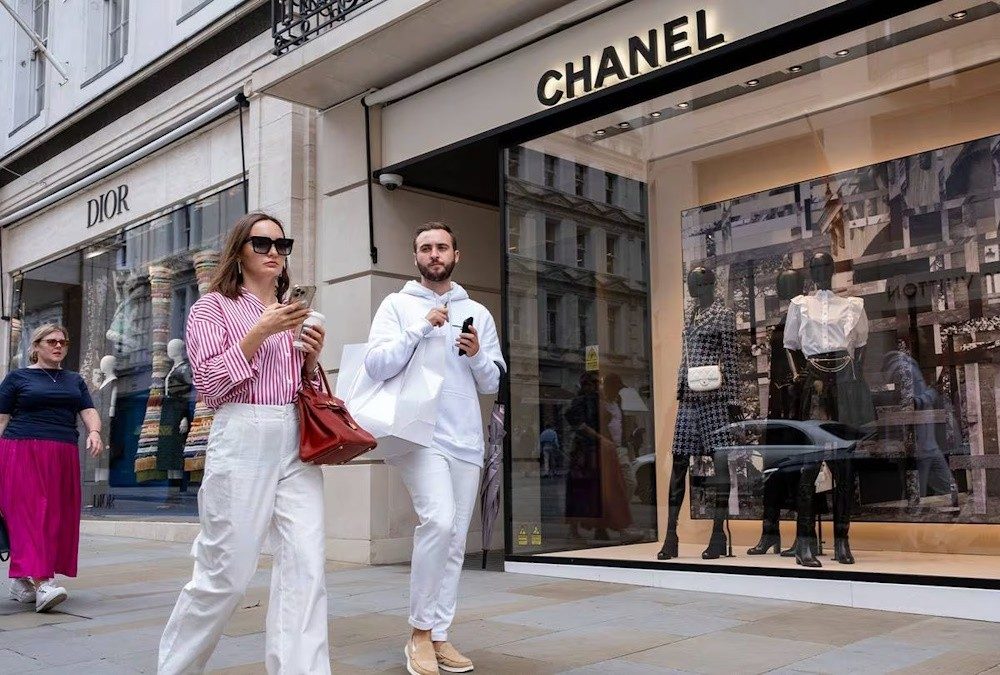
Seven weeks of conflict in the Middle East are dampening demand in the luxury sector, as LVMH, Kering, and Hermès all report disappointing first-quarter sales. Shoppers in the Middle East are among the world’s most significant consumers, indulging in retail centers such as Dubai and other opulent locales like Paris and Milan. The disappointing outcomes from three of the key groups highlight the far-reaching effects of grounded flights and disrupted vacations throughout the industry. Hermès International SCA, typically regarded as the sector’s most dependable outperformer, fell short of expectations with sales declining by 5.9% in the region. On Wednesday, Hermès experienced a significant decline, losing nearly $20 billion in value as its shares plummeted by as much as 14%. “We had beautiful growth at double digit rates in January and February but March ground to a halt” in the Middle East, Hermès Chief Financial Officer Eric du Halgouet stated on Wednesday. Hermès operates six stores in the region, with three of them under its direct management. In France, where over half of Hermès’ business is tied to tourism, sales experienced a decline of 2.8% attributed to reduced spending by visitors, du Halgouet stated.
The maker of Birkin handbags reported that its stores in Switzerland and the UK experienced a decline in business due to a decrease in Middle Eastern shoppers. According to du Halgouet, the Middle East constitutes approximately 4.4% of Hermès’ total sales, while customers from this region represent around 7% overall. Earlier this week, LVMH Moët Hennessy Louis Vuitton SE’s most important fashion and leather goods units reported a 2% decline in sales. Gucci sales experienced a decline, as Kering reported an 11% drop in retail revenue in the Middle East during the first quarter. Shares of Hermès experienced a decline as investors reacted to earnings reports that were perceived as disappointing in France, Asia, and the Middle East. According to data, the collective market capitalization of 10 listed European luxury companies has decreased by $176 billion since the end of last year. LVMH has experienced a decline of nearly $100 billion in its value as its shares persist in their downward trend following the luxury giant’s most significant first-quarter performance drop on record.
The conflict in the Middle East has interrupted oil and gas supplies, casting a shadow over the economic outlook amid concerns of a potential global inflation crisis. The prolonged nature of the conflict amplifies the repercussions, as the unrest has already dampened expectations for a rebound in the luxury sector, despite the introduction of new designers at prestigious brands like Dior and Gucci. LVMH’s business in the Middle East, which accounts for approximately 6% of total sales, experienced a downturn following a “very positive start to the year,” stated Cécile Cabanis, on Monday. The conflict led to a decline in group organic growth by approximately 1 percentage point for the quarter. The luxury watch sector, alongside ready-to-wear fashion and handbags, is experiencing a downturn due to diminished demand in the Middle East. Georges Kern informed that the watchmaker has adjusted shipments to the Middle East for the time being, due to the decline in tourism and the reduction in flight schedules to the region. He stated that certain price points, particularly in the mid-segment, are experiencing greater challenges than others.
In a note earlier this week, Berenberg’s Nick Anderson stated that while the direct impact of the Middle East conflict may be temporary, its indirect effects are likely to persist, as higher food and energy prices are expected to constrain the spending power of aspirational consumers. This will “reinforce the post Covid-19 squeeze on luxury spending,” he added. Amidst the challenges, Hermès has signaled a positive shift, with du Halgouet noting that sales in the Middle East for the current quarter are beginning to recover. Kern expresses a long-term optimism regarding the future of the Middle East. “It’s a region where tourism will come back overnight.” He said “It won’t be a long recovery like in China, this will come back in 24 hours,” speaking on the sidelines of the Watches and Wonders event in Geneva. “It’s because it’s secure, infrastructure is the best in the world, the service, tourism, hotels, airlines are the best in the world.”