China-related Hong Kong debut lowers Shein’s shares 10%
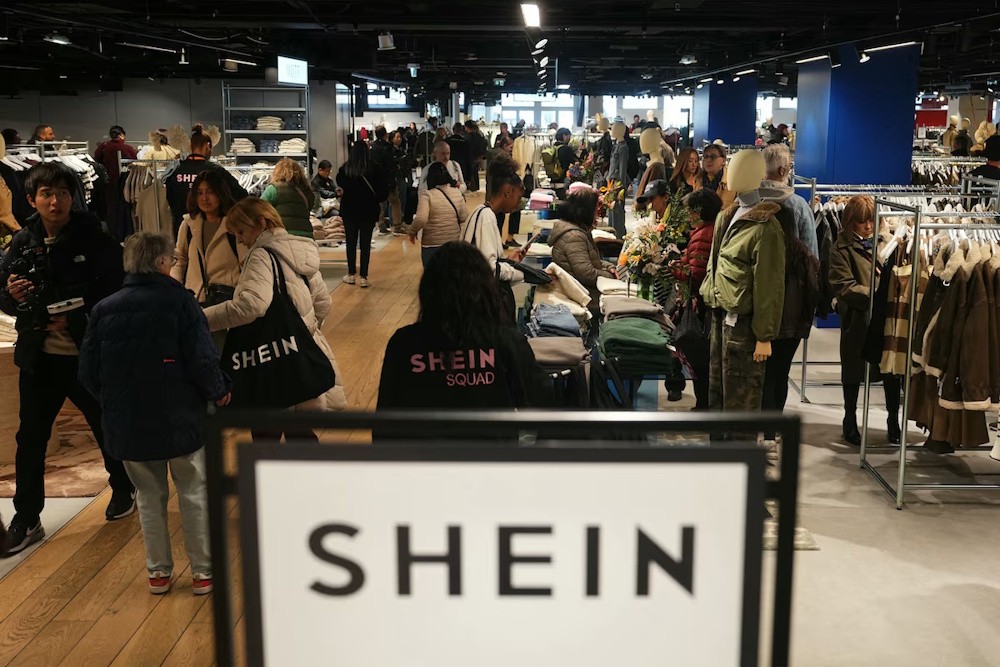
Shares in fast-fashion online retail giant Shein experienced a decline of approximately 10 percent following its debut on Hong Kong’s stock market on Tuesday, marking a significant moment after an extended postponement of the company’s intentions to publicly list its shares. Shein successfully raised approximately $1.7 billion, with shares priced at 48.56 Hong Kong dollars ($6.19) during its initial public offering in Hong Kong, representing one of the most significant new share sales in the city this year. “Shein’s Hong Kong listing marks a new starting point,” said Leigh Gui. However, in the initial trading session, the shares declined to approximately 44 Hong Kong dollars. Shein has garnered customer interest through its ultra-fast and cost-effective fashion offerings, with products shipped from China to Western markets in a matter of days. The termination of “de minimis” tariff exemptions in the US and the European Union has resulted in increased duties on low-value parcels from China, including products from Shein.
Additionally, elevated logistics costs, partly attributable to the conflict in Iran, have exerted pressure on the company’s low-price business model and overall profitability. Tariff costs have compelled Shein to increase prices, “cutting into its main advantage,” stated Jacob Cooke. Shein reported a loss of $99 million in the first quarter of this year, a stark contrast to the $395 million profit achieved during the same timeframe last year. Earlier, Shein, pronounced “she-in,” considered the possibility of listing its shares in both New York and London. It relocated its headquarters from China to Singapore approximately in 2021. However, the growing stringent oversight from Beijing, alongside regulators in the US and Europe, prompted it to acknowledge its Chinese heritage and transition to a listing in Hong Kong.
Founded in 2012 in China, Shein initially conducted a significant portion of its operations in the southern province of Guangdong before relocating its corporate headquarters abroad. “Guangdong is Shein’s roots, and the starting point of our journey,” its founder Sky Xu said in a speech in February. Pivoting its focus back to China also highlighted the advantages Shein derives from the supply chain system that “only exists” in Guangdong, according to William Ma at GROW Investment Group, who referred to its small-batch, fast response manufacturing model. Shein has encountered additional obstacles in its efforts to expand within Europe. In February, the EU initiated an investigation into Shein, concentrating on “illegal” products, which include purported child sexual abuse material. In May, Shein acquired San Francisco-based eco-friendly clothing retailer Everlane, a decision that certain analysts suggested may not align well with strategic objectives.
The company’s market value was approximately $27 billion at the time of its listing in Hong Kong, representing a small portion of its peak valuation from several years prior. “Shein has probably missed its golden listing window due to the shift of momentum toward AI and tariffs, which can affect valuations and profitability,” said Gary Ng. Shein’s listing represents a positive development for Hong Kong, as the Chinese territory intensifies its efforts to maintain its status as a global financial hub in the wake of a downturn in 2023. Hong Kong’s stock exchange has recorded a robust performance in initial public offerings this year, amassing over $40 billion. There exists a backlog of companies aiming to list there, stated Lorraine Tan from the investment research firm Morningstar.