Apple’s CEO John Ternus must tackle talent retention
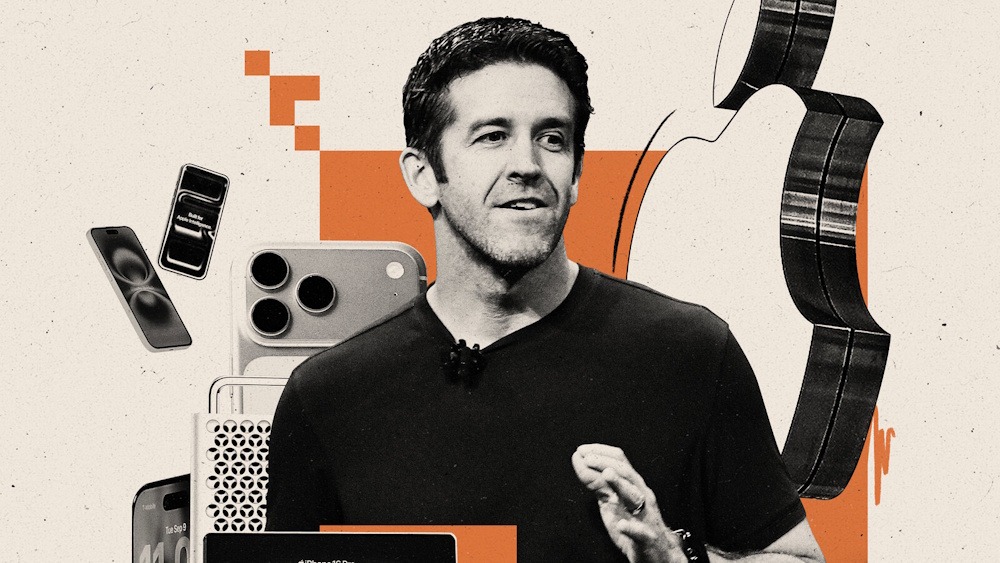
John Ternus, Apple Inc.’s next chief executive officer, faces a significant challenge as he transitions into the role: retaining top talent during a period of unprecedented turnover. Following years of relative stability, the company has experienced a surge of recent departures — affecting both C-suite executives and rank-and-file engineers. Ternus, who will take over from Tim Cook in September, faces the task of stabilizing the workforce. Apple recently experienced the stark reality of how effortlessly it can lose some of its most valued talent. At the end of last year, renowned chip executive Johny Srouji informed Cook that he was contemplating a departure from the Cupertino, California-based company. He conveyed to several colleagues that he felt exhausted from overseeing the extensive silicon operation of the iPhone manufacturer, referencing his proactive involvement and unwavering commitment to achieving cutting-edge advancements annually. He informed Cook that he was considering the possibility of pursuing his career in a different setting. The cook was required to exercise creativity. Losing Srouji, who transformed Apple’s in-house Mac and iPhone chips into the envy of the industry, would have significantly impacted his legacy. As Apple falls behind in artificial intelligence and device designs increasingly resemble one another, a crucial selling point continues to be the silicon crafted by Srouji’s team.
Understanding that he was considering his own future at the company and that Ternus would take over, Cook crafted a solution: a substantial new compensation package and an expanded role for Srouji as Apple’s inaugural chief hardware officer. The position, which merges Srouji’s previous responsibilities with Ternus’ current management of hardware engineering, effectively positions him as the second-highest executive at Apple. However, Srouji would have to exercise patience. The decision relied on Cook’s resignation and Ternus’s promotion, paving the way for Srouji to take over the hardware division. On Monday, the moment came, as Apple appointed Srouji to the expanded role. “This unified engineering organizational structure has the potential to streamline decision-making, strengthen product integration and ultimately deliver exceptional results,” said Apple veteran Tony Blevins in an interview. Blevins, who served as the company’s procurement chief until 2022, collaborated closely with Srouji, Ternus, and Cook. During an all-hands meeting Tuesday, Ternus expressed admiration for Srouji and highlighted the new arrangement. “Johny has been my partner and friend for so long,” Ternus stated. “He is so brilliant, so talented, contributed so much to Apple, and I’m really happy that he’s going to be taking on this expanded role.”
Following a report regarding Srouji’s potential departure, he reassured the staff that he would not be leaving “anytime soon.” Questions continue to arise regarding the duration of the 61-year-old’s tenure at Apple, considering his all-encompassing approach to work. Srouji, recognized for his intense management style, is now attempting to streamline his role, even as he assumes thousands of additional engineers and the responsibility for Apple’s device development pipeline. Srouji informed staff on Monday that he is allocating priorities among five senior leaders. His hard-driving approach will stand in stark contrast to Ternus’ calmer style and may irritate the incoming hardware staff. Srouji meticulously selected his former team. “They knew what they were getting into,” stated an individual familiar with the situation. According to the individual, his new executives arriving from Ternus’ realm are in for “a cold shower.” An Apple representative chose not to provide a comment. Among those who may express dissatisfaction with the changes is Kate Bergeron, Ternus’ longstanding deputy in hardware engineering. She manages product design across various lines and has been regarded by some within the organization as the potential next hardware chief. Instead, Ternus chose Tom Marieb, the head of product integrity, who has been with Apple for seven years after transitioning from Intel Corp. Ternus selected Marieb due to his trust in him and the desire for a reliable individual who can mitigate risks, according to a source familiar with the decision. Ternus will serve as a visionary for Apple’s products, yet he views Marieb as the individual capable of executing the plan, according to a source. Srouji’s elevation raises important succession questions of its own. He is now more valuable than ever to the company and has greater responsibilities — yet it remains uncertain who would ultimately succeed him.
Other executives are also considering their futures. Mike Rockwell, the creator of the Vision Pro headset, is currently responsible for revamping the Siri voice assistant. However, sources familiar with the situation indicate that he has contemplated the possibility of departing or transitioning into an advisory role next year. He has expressed concerns regarding his reporting to his new supervisor, software chief Craig Federighi, and seeks a more significant position. Years ago, Rockwell was on a trajectory toward a role that would define Apple’s product and AI roadmap, a position potentially comparable to that of chief technology officer. The concept was logical considering the company’s conviction that head-worn wearables would play a significant role in its future beyond the iPhone. The current perspective is now more ambiguous. While Apple is in the process of creating smart glasses and various wearable devices, the initial Vision Pro did not connect with consumers, primarily because of its cost and heft. Nonetheless, it is improbable that Rockwell would resign from his position prior to the completion of the Siri upgrade. As Ternus evaluates his management team, there exists a wider apprehension. A new wave of seasoned executives may choose to retire simultaneously, necessitating his search for replacements. “Ternus’ most significant challenge will be the same one faced by Cook: the transition beyond the generation of executives originally assembled by Steve Jobs,” Blevins stated. “Ternus will face the formidable task of rebuilding and reshaping Apple’s executive bench at a time when expectations for performance, innovation and continuity remain exceptionally high.”
Numerous leaders, such as marketing chief Greg Joswiak, retail head Deirdre O’Brien, App Store head Phil Schiller, and services leader Eddy Cue, are nearing four decades with the company. O’Brien, who oversees the giant retail and human resources groups, has previously informed colleagues that she was starting to consider a future retirement. Later this year, Kate Adams, the company’s head of government affairs, will be retiring. Former finance chief Luca Maestri, who remained with the company in a reduced capacity, is also approaching the conclusion of his tenure. Ternus encounters additional challenges to the talent pool, as competitors like OpenAI actively recruit and reduce Apple’s hardware workforce. Tang Tan, a former top deputy to Ternus, currently serves as the chief hardware officer at OpenAI. He has recruited several engineers to collaborate on devices with CEO Sam Altman and former Apple design chief Jony Ive. In addition to ensuring Srouji’s satisfaction, Apple has implemented various measures to stabilize the bench. It broadened Federighi’s responsibilities by appointing him as the head of AI software for the company, while also entrusting him with oversight of the Apple Watch and Vision Pro operating systems. During an all-hands meeting Tuesday, Cue addressed the company’s executive team regarding Apple’s future under Ternus, aiming to convey a sense of continuity. “John, we are aware of your values, your technical expertise, and your passion for Apple and our products,” Cue stated. “And all of us are genuinely thrilled for you.”