The importance of Taiwan to US-China relations
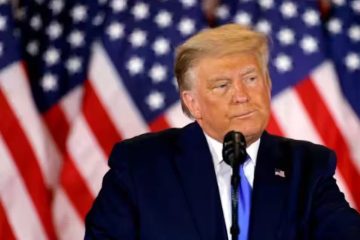
US President Donald Trump and Chinese President Xi Jinping engaged in significant discussions in Beijing on Thursday, covering a range of topics including trade, artificial intelligence, Taiwan, and the ongoing conflict in Iran. Both leaders sought to stabilize relations that have been tested by years of rivalry and economic friction. At the commencement of the summit, Xi cautioned Trump that improper management of the Taiwan issue could drive relations between the United States and China into a “dangerous place,” emphasizing the pivotal role the island plays in Beijing’s foreign policy and national identity. The summit marks Trump’s inaugural visit to China following his return to office, occurring at a juncture when both nations face significant pressure to prevent further economic and geopolitical escalation.
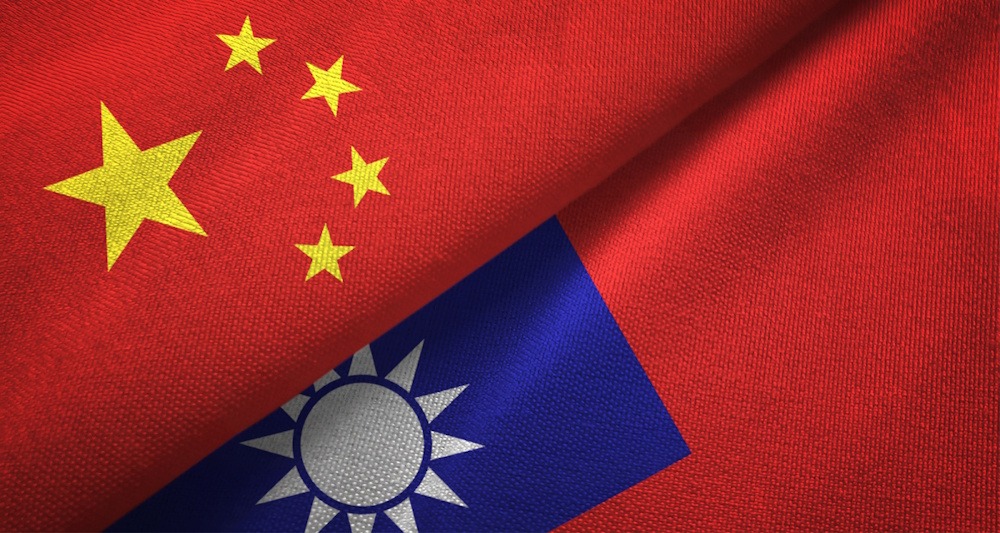
The United States is pursuing collaboration with China regarding trade, rare earth materials, and the situation in Iran, whereas Beijing is advocating for alleviation of technology constraints and a more lenient stance from America concerning Taiwan. China asserts that Taiwan, which is governed democratically, is part of its territory according to the “One China” principle, and consistently highlights this issue in its diplomatic interactions with Washington. Beijing asserts that Taiwan must ultimately be reunified with the mainland, employing force if required, and perceives any international acknowledgment of Taiwan as a direct affront to its sovereignty. The origins of the dispute can be traced to the Chinese civil war of 1949, during which the Nationalist government, having been defeated, retreated to Taiwan following the Communist Party’s ascendance to power on the mainland. Taiwan has developed into a democratic and economically sophisticated society, characterized by its own government, military, and political framework.
During discussions with Trump on Thursday, Xi Jinping asserted that the preservation of peace and stability in the Taiwan Strait represented the most significant common interest shared by the two nations. He remarked that the Taiwan question represents the paramount issue in China-US relations, asserting that if managed appropriately, the bilateral relationship will experience overall stability. He cautioned that the two nations will experience “clashes and even conflicts, putting the entire relationship in great jeopardy,” underscoring that “Taiwan independence” and cross-Strait peace are as irreconcilable as fire and water, as reported by state news agency Xinhua. During his opening remarks in the discussions, Xi conveyed optimism regarding the potential for the US and China to avert conflict and inquired whether “the two countries can transcend the ‘Thucydides Trap’ and forge a new model for relations between major powers,” as reported. The concept is recognized in foreign policy analysis as the notion that the emergence of a rising power in opposition to an established power frequently culminates in conflict.
“Cooperation benefits both sides, while confrontation harms both.” Xi stated “The two countries should be partners rather than rivals.” Xi’s admonition to Trump regarding Taiwan also signaled the nation’s dissatisfaction with Washington’s proposal to supply arms to Taiwan. The US administration has sanctioned a $11 billion arms package for Taiwan, which remains to be executed. On May 11, in a notable shift from US policy regarding Taiwan, Trump indicated that he would engage in discussions with Xi concerning the arms sales to the island nation. The US president refrained from addressing media inquiries regarding the potential discussion of the Taiwan issue between the two leaders during their private meeting.